


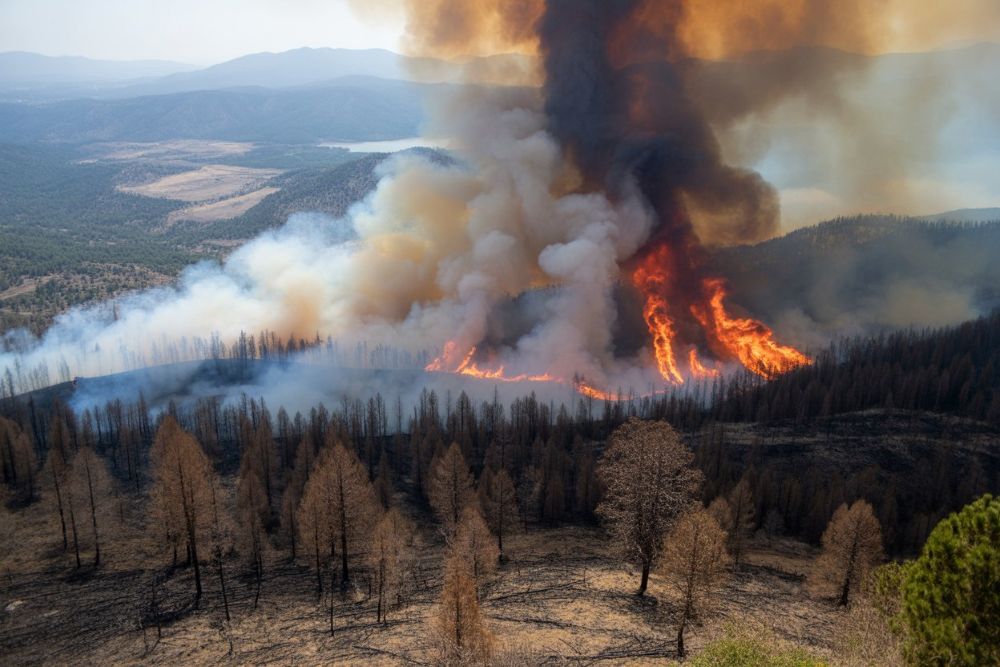
A Glimpse into the Global Wildfire Crisis of 2025-2026: Impact on Tourism Across Continents
In the years 2025 and 2026, the world witnessed an unprecedented wave of wildfires that swept across iconic landscapes, leaving significant scars on both communities and the tourism industry. Countries like Chile, the USA, Canada, Greece, South Korea, France, Spain, Portugal, and Italy became engulfed in flames, marking a turning point in the global travel landscape. The repercussions of these devastating fires are profound and far-reaching, reshaping how people view and engage with some of the planet’s most beloved destinations.
Wildfires in Chile: A National Crisis
The wildfires raging in Chile have reached alarming levels, particularly during the early months of 2026. Regions like Ñuble and Biobío, known for their stunning natural beauty and vibrant communities, became battle zones as fires triggered a national emergency. With over 50,000 individuals displaced and at least 18 casualties reported, local authorities find themselves scrambling to contain the disaster.
The implications extend beyond the immediate humanitarian crisis; Chile’s tourism sector is now on the verge of collapse. Known for its breathtaking Patagonian wilderness and rich wine country, the country has seen popular tourist sites shut down, impacting the very fabric of its travel economy. Many travelers are hesitant to visit, deterred by health warnings associated with smoke and air quality, further complicating recovery efforts in an already fragile industry.
Tourism Impact in Chile: Short-Term Loss and Long-Term Recovery
Tourism is an economic linchpin for Chile, especially in the wildfire-affected southern regions. The 2025 season heralded what might be an alarming decline in tourist numbers as international visitors reconsider their plans amidst safety concerns. Bookings across hotels, tour operators, and restaurants have plummeted. Many small businesses, heavily reliant on tourism, face uncertain futures, with recovery anticipated to take years rather than months.
Efforts to rebuild and restore tourism infrastructure in fire-impacted areas will demand a concerted collaboration between the government and local businesses. However, rebuilding traveler trust may prove to be an uphill battle, given the rising consciousness around health and environmental safety.
United States: A Country in Flames
The United States has not escaped the wildfire epidemic either. The western states, particularly Southern California, Arizona, and Nevada, faced devastating fires that contributed to a record number of acres burned. Highly popular tourist destinations like Yosemite National Park and the coastal cities of Los Angeles and San Francisco saw their tourism potential dramatically curtailed.
As ongoing wildfires ushered in travel advisories and precipitated airline cancellations, visitors reconsidered their plans. The overall uncertainty has left local economies struggling, with businesses reliant on tourism grappling with the harsh reality of closures and diminished foot traffic.
Tourism Crisis: Wildfire Smoke and Evacuations
In stark contrast to normalcy, cities like San Francisco experienced dangerously harmful air quality levels, forcing health authorities to issue alerts. With the smoke traveling across borders affecting vast regions, international visitors exhibited caution. The closure of national parks during critical tourism seasons exacerbated the economic fallout for countless businesses tied to outdoor tourism.
The long-term repercussions for the U.S. tourism industry can linger for years, placing pressure on recovery strategies as regions confront increasingly unpredictable wildfire seasons.
Canada: The Second Worst Wildfire Season
Canada, too, wrestled with a catastrophic wildfire season in 2025, marking it as one of the worst in its history. Wildfires decimated over 8.3 million hectares of land, particularly impacting the tourist-rich provinces of British Columbia and Alberta. The natural beauty that attracts millions of visitors annually is now starkly altered, leading to mandatory evacuations and widespread damage.
The results have been devastating for the tourism sector. Cancellations in renowned spots like Banff and Jasper create a bottleneck of lost revenue, with eco-tourism operators and adventure travel outfits facing grim economic forecasts. The national recovery will require significant investment in rebuilding local infrastructure and a renewed commitment to ensuring safety.
Europe: Mediterranean Wildfires Disrupt Summer Tourism
Southern Europe has not been insulated from wildfire disasters. Countries like Spain, Portugal, France, Italy, and Greece felt the sting as heatwaves prompted fires to ignite across both urban and rural areas. The impacts on the tourism sector were immediate and pronounced, as iconic locations saw a stark decline in visitors due to safety concerns.
Air quality issues, closed beaches, and halted outdoor activities contributed to a significant economic setback as potential travelers opted for northern Europe instead, where wildfire risks are comparatively lower. The shift in visitor preferences could affect the economic landscape of Mediterranean tourism for years to come.
South Korea: Wildfires Disrupt National Tourism
South Korea faced its unique challenges with wildfires in 2025, particularly affecting key tourist destinations like Seoraksan National Park. The disruptions to hiking trails and the overall outdoor experience highlight the vulnerability of tourism in a rapidly changing climate. As visitors canceled their plans amid ongoing dangers, the implications for local businesses became apparent.
The government is now focused on not just recovery but also on boosting the resilience of tourism infrastructure to withstand future calamities. Nonetheless, the losses during this tumultuous period represent a significant challenge for the hospitality sector.
The Future of Tourism Amid Wildfire Threats
As these recent wildfire seasons illustrate, the intersection of climate change and tourism is increasingly fraught with challenges. The once-reliable beauty of diverse destinations has become a double-edged sword, revealing vulnerabilities that pose questions about long-term viability.
Destination management and tourism authorities must start considering fire prevention strategies and resilient infrastructure systems robust enough to mitigate future risks. As travelers become more attuned to safety concerns, it will be crucial for regions to adapt to ensure not only recovery but also a sustainable approach to tourism in the long run.
This evolving landscape necessitates a proactive response that balances environmental stewardship with the economic realities of a sector that has been historically resilient yet is now grappling with unprecedented challenges.