


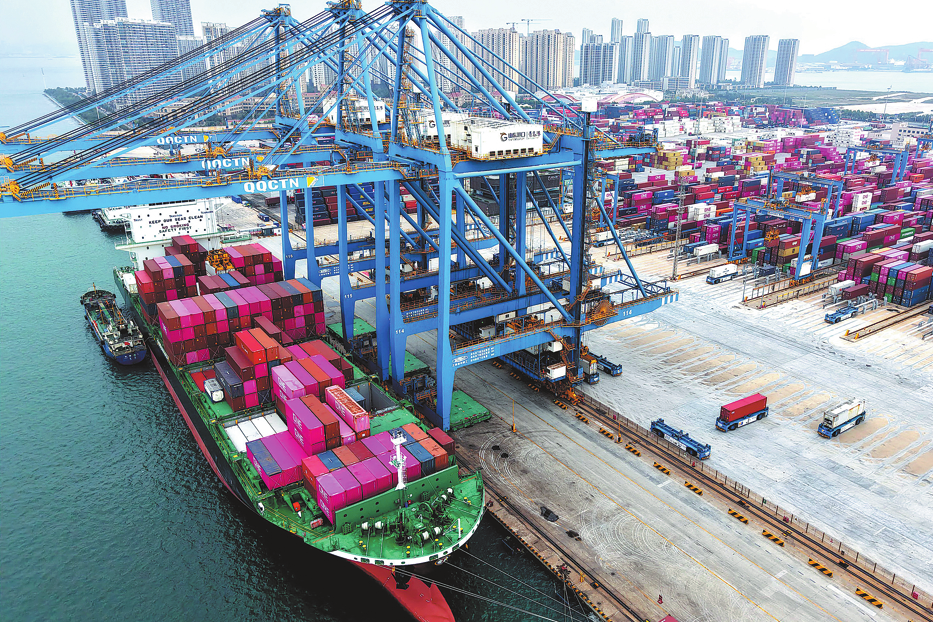
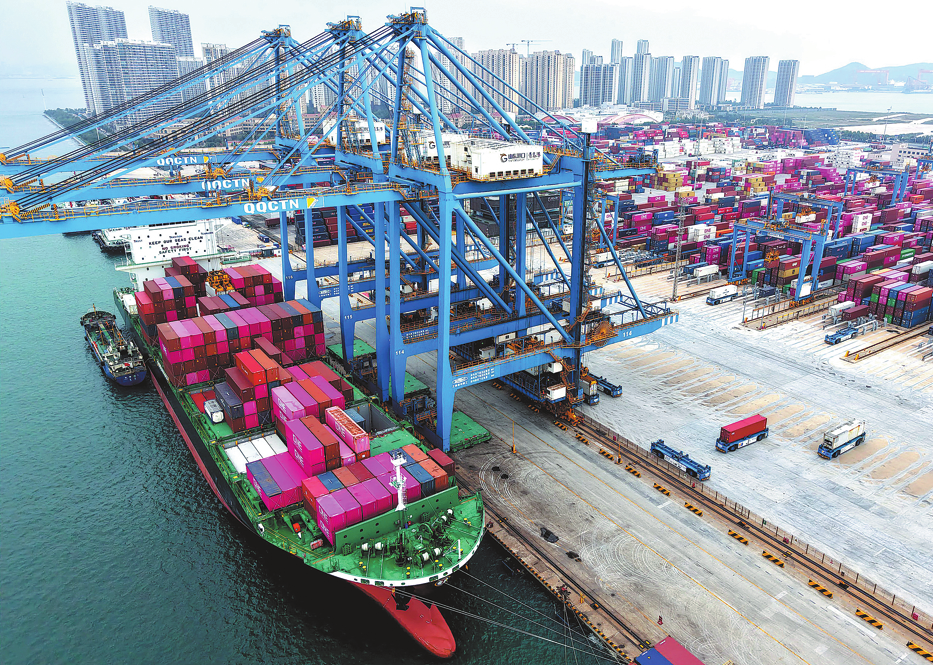
In the evolving landscape of international trade, developing nations are looking beyond their borders to stimulate economic growth. A combination of export growth, cost-effective imports, and accessible credit is crucial for the Global South—countries that tend to have smaller domestic markets. To capitalize on their productive potential, these nations must engage in international trade, allowing them to reach wider markets and ultimately reduce unemployment rates.
The dynamics of international pricing also play a pivotal role in shaping the economic fabric of developing countries. Access to affordable imports—ranging from basic necessities like food and pharmaceuticals to advanced technologies—empowers these nations to combat poverty. When competition thrives among suppliers, it not only drives prices down but also enhances the quality of available goods, benefiting consumers.
Credit availability is another cornerstone for growth in the Global South. Often, the domestic savings of these countries fall short of funding essential services such as education and healthcare or investing in infrastructure and business growth. Thus, tapping into global capital markets at competitive interest rates can be a game changer for these economies.
China’s impact cannot be overstated in this context. As a burgeoning market for many developing countries, China has become integral to their economic strategies. Interestingly, certain countries have managed to secure trade surpluses with China, countering pressures from the United States, which has sought to minimize economic ties with China in regions like Latin America. Despite the geopolitical pushback, China has emerged as the primary export destination for countries such as Brazil, Uruguay, Peru, and Chile.
In the past decade, China’s imports from the Global South have surged, far outpacing its imports from the US and Europe. A 2024 report by Standard & Poor’s reveals that China’s imports from these countries reached a staggering $1 trillion—six times more than its imports from the US and almost four times more than from Western Europe. This trend illustrates a critical point: while the US economy may be larger, developing nations find more lucrative markets in China.
Furthermore, China holds a pivotal role in stabilizing global prices. Its vast manufacturing ecosystem ensures that the costs of various goods—especially industrial products—remain competitive. The absence of Chinese goods would likely lead to higher prices globally, as Western companies could leverage their market dominance, potentially harming consumers and businesses alike.
The influence of China is particularly prominent in the realm of green technologies. An impressive investment portfolio in solar, wind, and battery production has drastically reduced equipment costs. In the past decade, the price of solar panels has plummeted by 90 percent, facilitating the transition to green energy for low-income countries. According to the International Energy Agency, producing solar modules or wind turbines outside China can be up to 45% more expensive, highlighting the significance of Chinese manufacturing in global energy strategies.
The electric vehicle sector further exemplifies this trend. US and EU tariffs on Chinese EVs showcase the competitive edge that Chinese manufacturers hold. With around 130 EV manufacturers vying for market share, prices have been driven down, benefitting consumers globally and fostering wider adoption of electric vehicles.
Moreover, China has fundamentally altered the landscape of global development finance. By utilizing its substantial foreign exchange reserves and domestic savings for international lending, China has effectively lowered global interest rates and broadened access to credit for developing nations. Over the past two decades, it has established itself as a reliable source of long-term funding—an appealing alternative to the stringent conditions imposed by private capital markets.
China’s Belt and Road Initiative, along with institutions like the China Development Bank and the Export-Import Bank, underscores its focus on direct development lending. Even the establishment of the Asian Infrastructure Investment Bank, which boasts over 100 member countries, reflects this shift. Unlike traditional Western bilateral lenders that often impose ideological conditions, China respects the sovereignty of its borrowers.
While the US continues to play a significant role in the global economy, the repercussions of its tariffs and trade barriers are felt far beyond its borders. These policies can negatively impact not just American consumers but also the development prospects of numerous countries in Latin America, Africa, and Asia.
In essence, while China has been a beneficial factor for the Global South, the recent shift in Western trade policies has only amplified its importance in shaping the economic future of these developing nations.

The views don’t necessarily represent those of China Daily.
If you have a specific expertise or would like to share your thought about our stories, then send us your writings at opinion@chinadaily.com.cn, and comment@chinadaily.com.cn.