


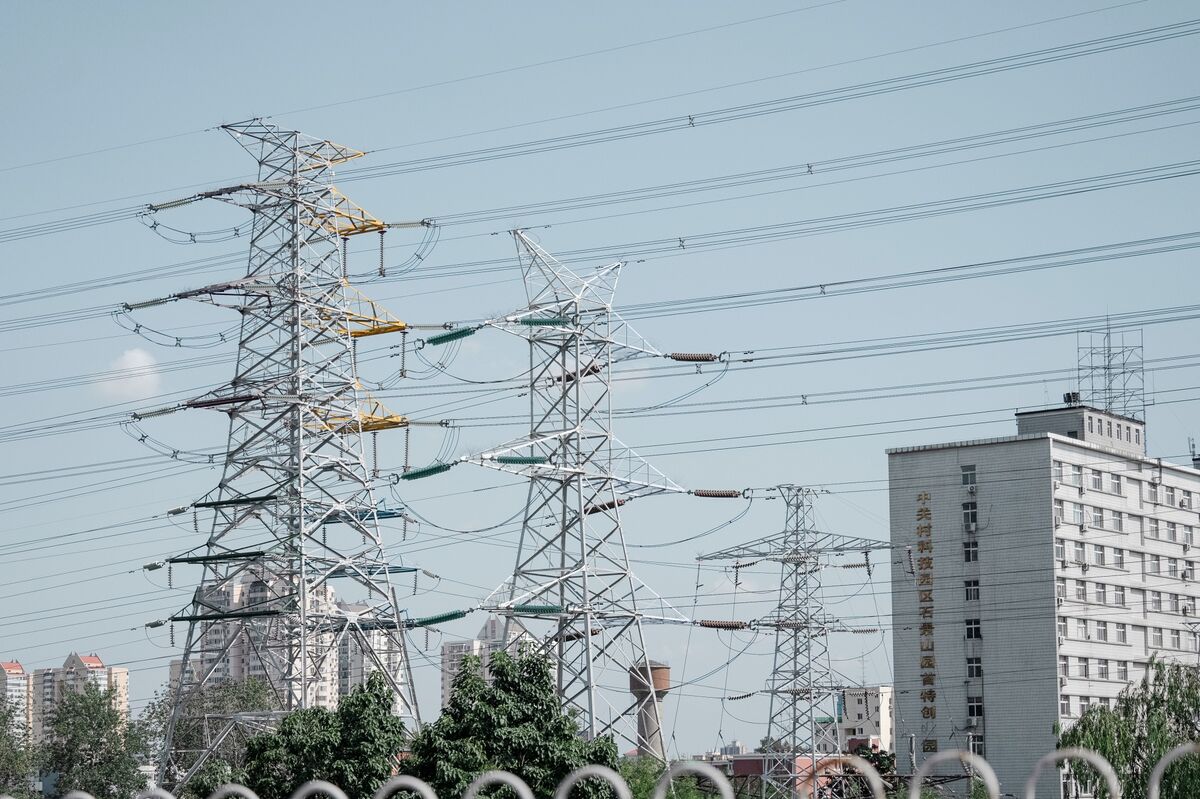
China’s Electricity Usage Soars: A Look at the 2025 Landscape
In an astonishing turnaround, data from China Central Television has revealed that in 2025, China consumed more than double the electricity of the United States. This statistic, sourced from the National Energy Administration, provides a startling glimpse into the evolving energy dynamics between the two global powerhouses. As countries continue to grapple with the implications of energy consumption and environmental impacts, understanding this shift is essential.
The Rise of Energy Demand in China
China’s rapid industrialization over the past few decades has been the primary driver behind its skyrocketing electricity consumption. The country has transformed into the world’s largest manufacturing hub, producing everything from electronics to textiles. This industrial growth necessitates vast amounts of energy, significantly elevating consumption levels. By 2025, China’s electricity demand is expected to surge further due to continuing urbanization and increasing industrial output.
A Growing Population and Urbanization
Another critical factor contributing to China’s electricity usage is its population dynamics. With over 1.4 billion citizens, the need for residential electricity has exponentially increased. Urbanization has led to the migration of millions from rural areas to cities, resulting in higher energy demands for housing, transportation, and services. This steady influx into urban areas continues to strain the existing energy infrastructure, compelling the nation to expand its electricity generation capacity rapidly.
Renewable Energy Initiatives
In response to this massive electrical demand, China has made significant strides in developing renewable energy sources. The Chinese government has been investing heavily in solar, wind, and hydroelectric power. By 2025, renewable energy is anticipated to play a critical role in China’s overall energy mix, aiming to combat air pollution and reduce reliance on coal. Reports indicate that China has already established itself as a leader in solar power, with vast solar farms dotting the landscape.
Coal Dependency Challenges
Despite advancements in renewable energy, China’s significant dependence on coal remains a pressing concern. As of 2025, coal still constitutes a major portion of China’s electricity generation, raising environmental concerns about air quality and carbon emissions. The balancing act between meeting energy demands and pursuing sustainable practices remains a formidable challenge. Experts argue that while transitioning to cleaner energy is essential, the current realities of energy demands may prolong China’s coal reliance.
The U.S.-China Energy Conversation
The stark contrast in electricity consumption between China and the United States opens a broader conversation about global energy strategy. While the U.S. has focused on energy efficiency and a gradual shift to renewable resources, China’s approach is defined by sheer volume. Understanding these differences can illuminate the various pathways that nations take toward achieving energy sustainability. The U.S., despite its lower consumption figures, faces its own challenges, particularly in ensuring that its energy practices align with climate goals.
Environmental and Economic Implications
China’s unprecedented electricity usage has profound implications. Environmentally, the increased consumption raises concerns about pollution levels, climate change, and sustainability. Economically, however, it underscores China’s status as an industrial powerhouse and its capacity to drive global energy markets. The emerging trends also pose questions about where investments will flow in the coming years, shaping the future of global trade and energy resources.
Energy Innovations on the Horizon
Forward-thinking energy innovations are critical as China navigates this burgeoning demand. Investments in smart grids, energy storage technologies, and battery development have become focal points in managing electricity distribution effectively. These innovations are not just about quantity but quality and efficiency, promising a future where energy consumption can be optimized, thereby reducing waste and environmental impact.
Final Thoughts on Energy Consumption Patterns
The statistics surrounding China’s electricity consumption in 2025 prompt reflection on the interconnectedness of energy needs, environmental impact, and technological advancements. As countries analyze each other’s energy consumption patterns, emerging frameworks and collaborative efforts might lead to innovative solutions beneficial on a global scale. While challenges abound, the pathways these nations carve out can serve as lessons for the world, shaping a future that balances energy needs with sustainability.