


A Shift in Trade: Analyzing China’s Rare-Earth Magnet Exports to the U.S.
The State of Rare-Earth Exports
In November, China’s exports of rare-earth magnets to the United States saw a significant decline of 11% compared to the previous month. This drop raises important questions about the dynamics of international trade, particularly between the world’s two largest economies. The decline is noteworthy, especially given the recent announcements of a trade truce aimed at easing tensions.
The Significance of Rare-Earth Magnets
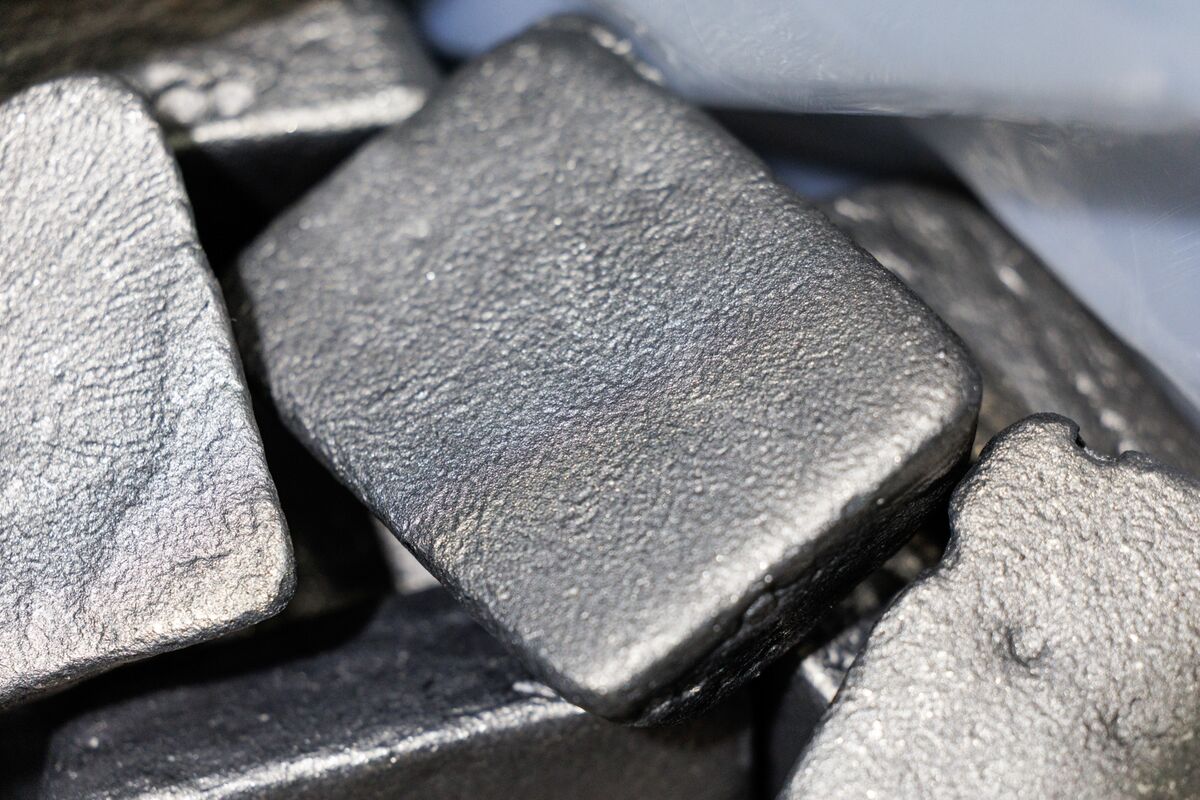
Rare-earth magnets, primarily composed of neodymium and praseodymium, are indispensable in various high-tech applications. These magnets are crucial for industries ranging from renewable energy to electric vehicles, as well as in consumer electronics. As the world shifts towards greener technologies and electric mobility, the demand for these materials is expected to rise sharply. China’s dominance in this field not only positions it as a key player but also establishes the country’s strategic influence over global supply chains.
Understanding the Trade Truce
The recent trade talks between China and the U.S. had inspired some optimism regarding potential improvements in trade relations. While a truce was announced, it appears that the expected positive impacts on rare-earth exports have not materialized. This stagnation raises questions about the actual effectiveness of diplomatic talks in translating into tangible economic benefits. Additionally, several underlying factors may be contributing to this decline.
Factors Contributing to the Decline
Various factors could explain the sharp decline in exports. For one, there’s an increase in domestic production of rare-earth materials in the U.S., which has been bolstered by government initiatives aimed at reducing reliance on foreign sources. This shift indicates that the U.S. is making concerted efforts to establish its own supply chains for these critical materials.
Furthermore, market demand may also be fluctuating. Companies in the U.S. might be reevaluating their inventory levels or sourcing strategies, which could lead to temporary decreases in imports. Additionally, global economic uncertainties, such as inflation and supply chain disruptions, could be influencing purchasing decisions.
China’s Response and Strategic Outlook
In light of the declining exports, it’s crucial to consider how China might respond. Given the country’s strategic interests in maintaining its position as a leading supplier, there could be shifts in policy aimed at bolstering exports. Chinese manufacturers may also look to enhance their value propositions, focusing on quality and innovation to retain U.S. buyers.
China’s government could also engage in broader strategies to solidify its presence in the rare-earth market globally. Investment in advanced manufacturing technologies, research and development, and international partnerships may serve as key components of this approach.
The Broader Implications
The implications of this trade dynamic extend beyond just exports. The U.S.’s decreased reliance on Chinese rare-earth magnets can have far-reaching effects on international relations and trade policies. It could also spark increased competition among other countries looking to carve out a niche in the rare-earth supply chain.
Moreover, the focus on domestic production raises questions about environmental sustainability. Mining and processing rare-earth elements can have significant ecological impacts, prompting discussions about the balance between economic growth and environmental responsibility.
Future Outlook
While the immediate future of rare-earth magnet exports may seem uncertain, the long-term landscape is evolving rapidly. The intersection of technology, environmental policy, and international relations means that developments in this sector will be closely watched. Investors, manufacturers, and policymakers alike will need to adapt to the changing dynamics of this critical industry.
As China and the U.S. navigate their complex relationship, each move in the realm of rare-earth resources will undoubtedly have ripple effects, making it a space to keep an eye on in the coming months.