


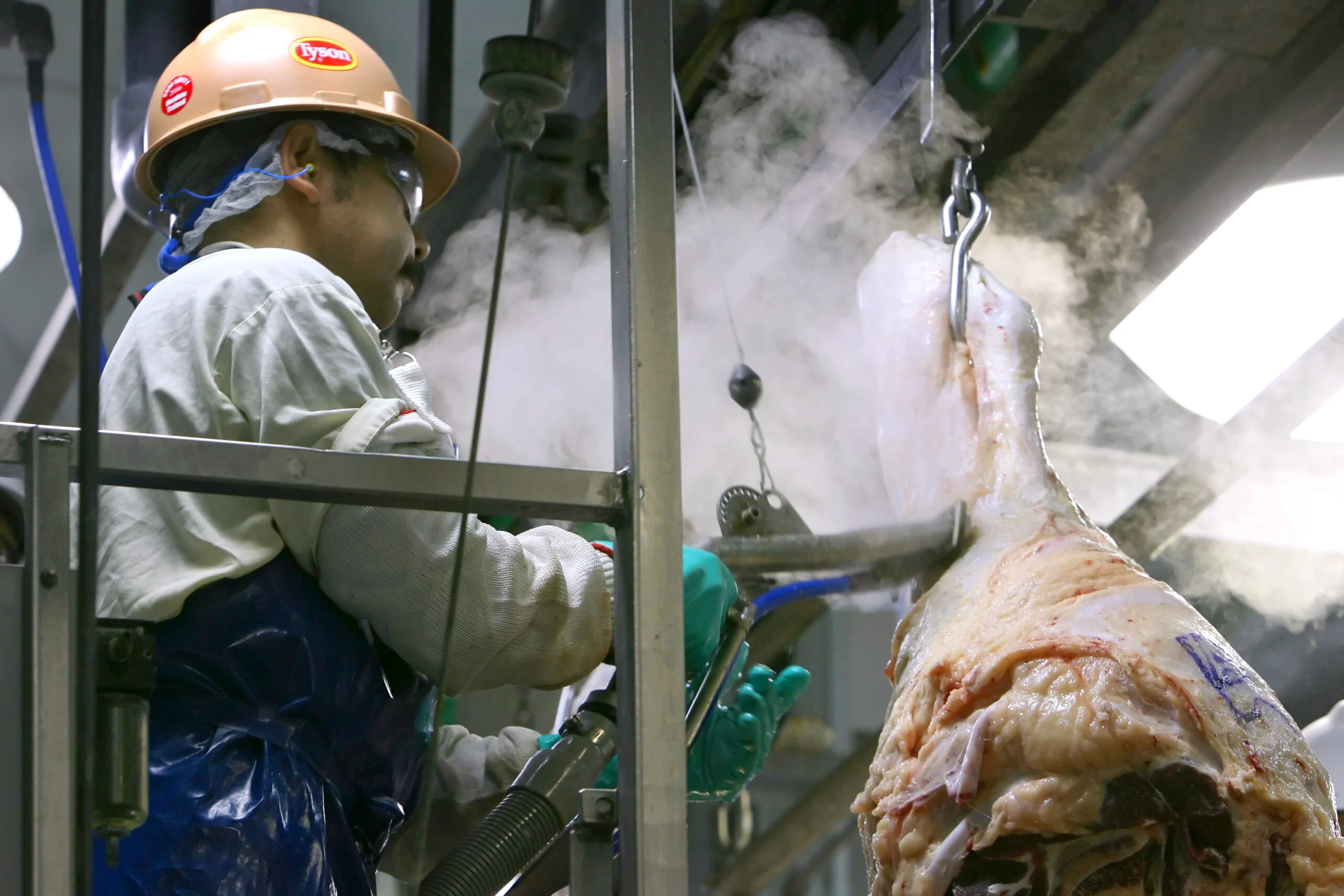
The Impact of Tyson Foods’ Closure of the Lexington Beef Plant
Introduction: A Community Dependent on a Single Employer
The recent announcement by Tyson Foods to close its beef processing plant in Lexington, Nebraska, has sent shockwaves through this small community of just 11,000 residents. Employing approximately 3,200 people, the plant represents nearly one-third of the town’s workforce. Its closure not only threatens the livelihood of many families but also puts significant pressure on the broader U.S. beef industry, which is already grappling with challenges.
Economic Ripple Effects
Tyson Foods’ Lexington facility has been a cornerstone of the local economy since its opening in 1990. Not only did it rejuvenate a town facing economic decline, but it also nearly doubled the population by attracting a diverse workforce, including many immigrants. As Tyson plans to shut the plant in January, local business owners, many of whom are first-generation entrepreneurs, face an uncertain future. The potential loss of employment could result in decreased spending within the community, leading to further economic downturns.
Limited Immediate Impact on Beef Prices
While the closure appears severe, consumers may not experience immediate changes in beef prices at grocery stores. Cattle currently being prepared for slaughter will still find their way to market, albeit through different facilities. This transition could mitigate price fluctuations in the short term. However, experts warn that long-term beef prices may rise even further due to a combination of factors, including drought conditions, tariffs, and an overall reduction in processing capacity with the closure of plants like Lexington.
Long-Term Consequences for Ranchers
The closure will significantly affect ranchers nationwide. Tyson’s decision, alongside the announced cut of one of the shifts in Amarillo, Texas, will reduce beef processing capacity by about 7-9%. This loss translates to fewer buyers for cattle, leading to potential decreases in profitability for ranchers. Bill Bullard, president of the Ranchers-Cattlemen Action Legal Fund, emphasizes the precarious state of the cattle industry, citing a lack of confidence among producers who are hesitant to invest in raising more cattle amid uncertain market conditions.
The Role of Increased Beef Imports
Another complicating factor is the potential increase in beef imports from Brazil, encouraged by recent policy shifts. With approximately 24% of U.S. beef imports originating from Brazil, there’s a looming concern that increased competition will further erode the profitability for American ranchers. Although these imports might offer some price stabilization for consumers, the effects on the domestic cattle market could be detrimental.
Community Resilience and Support Initiatives
Amidst the uncertainty, community leaders are stepping up to provide support. Clay Patton, vice president of the Lexington-area Chamber of Commerce, described the announcement as a “gut punch” but expressed hope that the community will emerge stronger. Local churches, including the First United Methodist Church where Elmer Armijo recently assumed leadership, have begun to offer counseling, food pantries, and gas vouchers to assist those impacted by the closure.
Pressures on Tyson Foods
Tyson Foods is facing ongoing losses in its beef division, projecting more than $600 million in losses for the year. This follows a trend of declining profitability, with the company reporting a staggering $720 million loss in the past two years. The consolidation of the beef processing sector has increased pressure on older facilities like the Lexington plant, which struggle to remain competitive in a market that increasingly values technological efficiency and productivity.
Future Prospects for Beef Processing in the U.S.
Economists like Ernie Goss suggest that the closure of the Lexington plant was somewhat inevitable, given the excess capacity in the meat industry and the advancements in technology that older facilities often cannot keep pace with. As smaller companies emerge to challenge the monopolistic practices of larger corporations, the landscape of beef production is shifting. Tyson’s remaining operations may initially experience increased efficiency, but the long-term repercussions on local communities like Lexington could be profound.
Conclusion: An Uncertain Future Ahead
As the community gears up for the impending closure, the interconnectedness of local economies with larger market forces becomes painfully evident. The resilience of Lexington and the adaptability of its residents will be pivotal in navigating the challenges that lie ahead.