


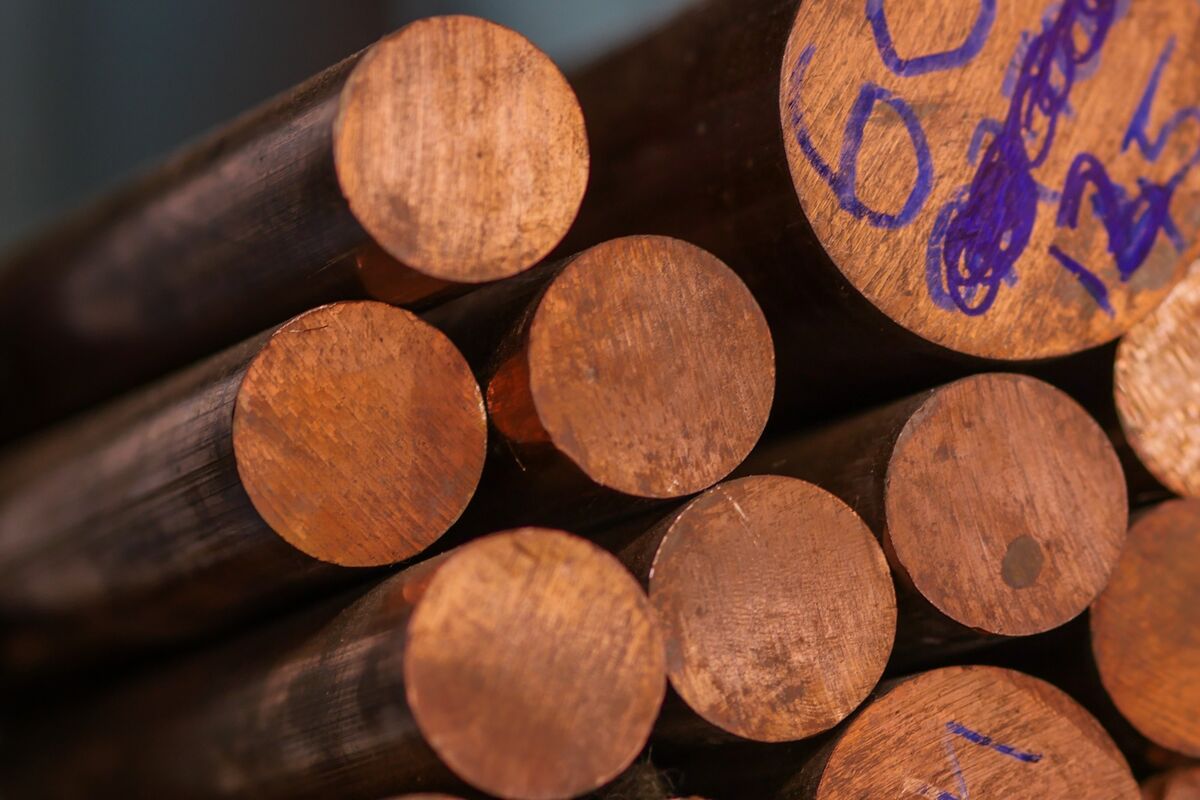
Copper’s Record Surge: Understanding the Factors Behind the Recent Price Spike
Copper has always held a pivotal role in various industries, from construction to electronics. Recently, it has experienced a significant price surge in the United States after hitting a record high on the London Metal Exchange (LME). This article delves into the reasons behind this recent spike and what it means for the market.
The Record High on the London Metal Exchange
On Friday, copper prices skyrocketed, reaching unprecedented levels on the LME. This increase was not merely a statistical anomaly; it reflected underlying market dynamics and economic realities. Traders and investors alike watch the LME closely, as it serves as a global benchmark for copper pricing. The record high raises questions about sustainability and the broader implications for industries that depend heavily on this essential metal.
Supply Tightness: A Driving Force
One of the primary factors contributing to the rising price of copper is a significant supply tightness. Various factors, including geopolitical tensions, logistics challenges, and labor strikes, have all led to reduced copper production and delays in shipments. With major copper-producing countries facing difficulties, the supply chain has become precarious. This tightness has created an environment where demand exceeds available supply, resulting in higher prices.
The Impact of Trading Halts
An hours-long halt to trading also played a curious role in the price surge. While trading pauses can occur for various reasons, they can create heightened volatility in the markets. In this case, it led to a backlog of orders and increased pressure on buyers, who rushed to secure copper at any available price. Trading halts can sometimes act as a catalyst for price surges, as they create a pent-up demand that is suddenly unleashed once trading resumes.
Industrial Demand: A Key Player
Additionally, industrial demand for copper remains robust. As economies rebound and infrastructure projects ramp up, the need for copper in construction, manufacturing, and renewable energy sectors has surged. Electric vehicles (EVs) and renewable technologies, which require significant amounts of copper for their production, are also on the rise. The intersection of growing demand from these innovative sectors against a backdrop of constrained supply is a potent force pushing copper prices higher.
Market Sentiment and Speculation
Market sentiment and speculation can play a critical role in commodity pricing as well. Investors often react to news and trends that signal potential changes in supply and demand dynamics. The recent high prices have attracted speculative trading, contributing further to the upward price movement. When speculators enter the market, they can amplify price changes, sometimes leading to unsustainable conditions that can swing back just as quickly.
Global Economic Influences
Global economic factors cannot be overlooked in this discussion. Inflation concerns and potential interest rate hikes can impact commodity markets, including copper. Investors often turn to copper as a hedge against inflation, leading to increased buying interest during periods of economic uncertainty. As countries like the U.S. navigate these economic challenges, copper can be seen as both a barometer of industrial health and a refuge for investment.
Looking Ahead: What This Means for Consumers and Businesses
The implications of rising copper prices are far-reaching. For businesses reliant on copper, increased costs may eventually be passed on to consumers, affecting everything from electronics to home renovations. Manufacturers may seek alternative materials or adjust pricing strategies in response to these changes. As the market continues to fluctuate, both businesses and consumers will be closely monitoring these developments, particularly as they navigate the landscape of escalating costs.
Conclusion
As copper prices rise to record highs on the LME and in the U.S., the implications of supply tightness, global demand, and market speculation become more evident. Understanding these dynamics is essential for both industry professionals and everyday consumers as they adapt to a changing economic environment. The journey of copper continues to be one worth watching, reflecting broader trends in global markets and economies.