


Democracy and Stability in Africa: Why U.S. Leadership Still Matters
Introduction
The political landscape of Africa is complex and vividly diverse. While countries like Ghana, Malawi, and Senegal exemplify a commitment to democratic progress, others are grappling with entrenched military rule, as seen in several West African nations. In the midst of this turmoil, the United States is reconsidering its approach to Africa, aligning its strategies with economic interests rather than traditional democratic ideals. Amidst such shifts, understanding the implications of U.S. involvement—and the importance of maintaining support for democratic efforts—remains crucial for both African nations and American interests.
The Shifting Nature of U.S. Policy
As the U.S. recalibrates its foreign policy, it embraces a “trade, not aid” paradigm. This approach prioritizes access to critical minerals and energy resources, all while potentially sidelining support for democratic institutions. The sharp cuts to the U.S. Department of State’s aid budgets disproportionately impact African nations that have historically benefited from American assistance. Unlike previous administrations that promoted democracy through diplomatic engagement, the current administration has decreased funding for democracy, human rights, and governance (DRG) initiatives, fundamentally altering the U.S.’s stance on support for democratic governance in Africa.
Why U.S. Support Matters
Despite these challenges, there is overwhelming evidence that democratic governance is beneficial for stability and governance in Africa. Surveys consistently illustrate a strong preference among African citizens for democratic systems. For instance, the 2021-2023 Afrobarometer survey found that 66% of respondents across 39 countries favor democracy over other forms of governance. These preferences emphasize the critical link between democracy, economic growth, and public welfare. Countries with stable democratic institutions tend to be more attractive for investment and maintain better economic ties with international partners.
Priorities for Democracy Assistance
To effectively harness support for democracy in Africa, a strategic framework focusing on three priorities can guide U.S. policy:
-
Invest in Democratic Pathways: Investing in countries that demonstrate a commitment to democratic reforms is crucial. The U.S. can foster progress in nations like Senegal, which is actively pursuing reforms aimed at anti-corruption and transparency. These investments should align with government-led initiatives to enhance local ownership and ensure reforms meet the needs of citizens.
-
Ally with Citizens: Engaging directly with African citizens, including in nations experiencing democratic backsliding, should be integral to U.S. policy. Supporting civil society and amplifying the voices of everyday Africans can mitigate the influence of corrupt elites and foster transparency, ensuring that American interests align with local aspirations.
-
Emphasize Stabilization and Local Institutions: The U.S. must remain committed to supporting local institutions that foster peace and stability. By prioritizing investment in networks of peacebuilders and strengthening civil society, the U.S. can help create durable conditions for peace in regions like the Sahel, where instability persists.
The Role of Private Sector and Philanthropy
In the face of diminishing U.S. government support, private philanthropy and the private sector hold the potential to play a larger role in sustaining democratic institutions and initiatives. Private foundations can step in to fill the gaps left by government funding cuts, particularly in areas such as electoral integrity and human rights advocacy. By providing emergency assistance to local civil society organizations, philanthropic efforts can help safeguard the advancement of democracy across the continent.
Challenges and Opportunities
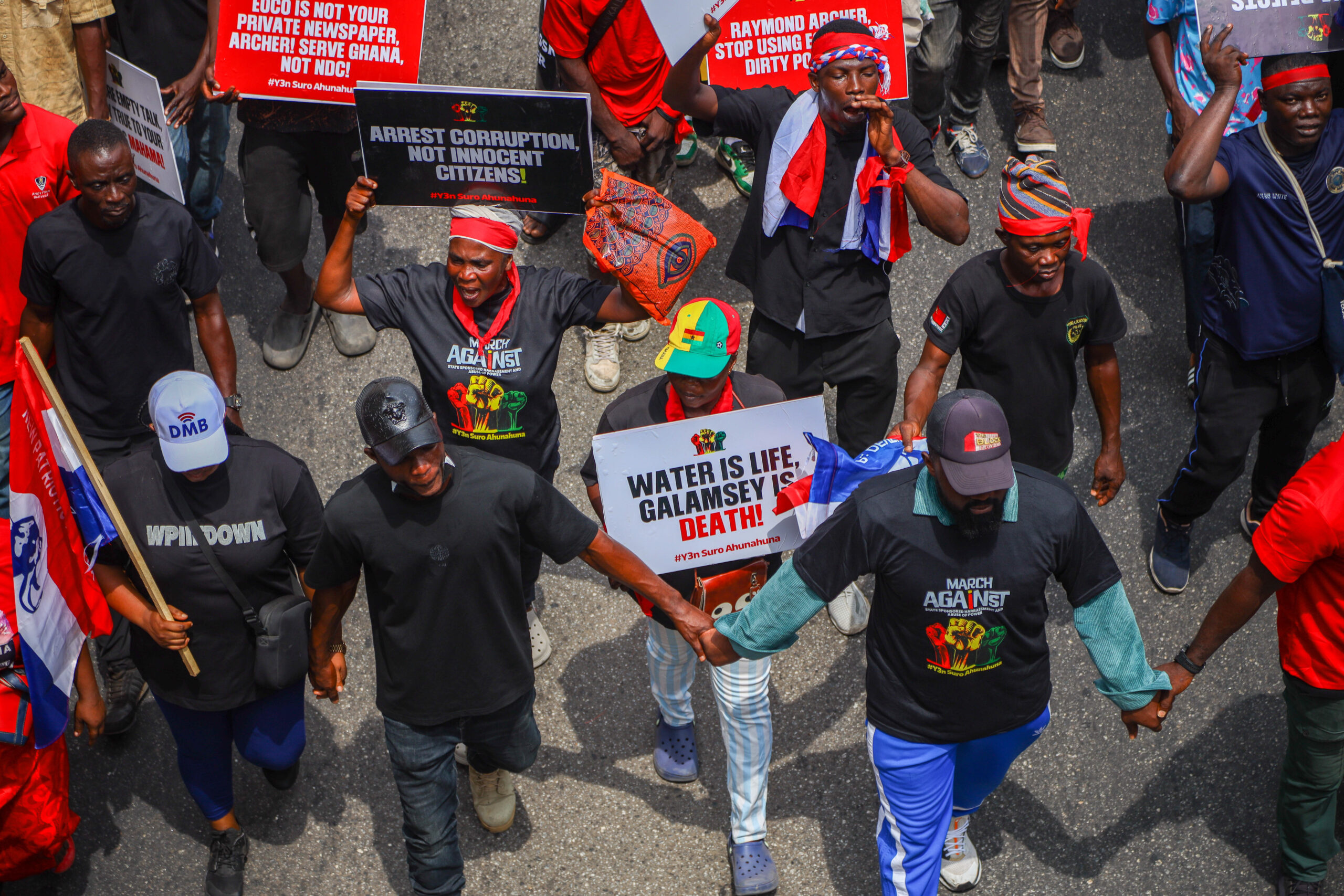
Many African nations confront pervasive challenges, including authoritarian governance, corruption, and instability. However, there are also numerous opportunities. Countries like Ghana and Senegal illustrate that significant democratic gains are possible. These successes showcase that with the right investment and support, progress is achievable and beneficial for both local populations and international stakeholders.
Additionally, as the U.S. pursues trade relations in capital-heavy sectors, ensuring stable governance will be vital for securing investments. Thus, the future effectiveness of U.S.-Africa relations hinges on commitment to democratic practices and partnerships.
Conclusion: The Path Ahead for U.S. Leadership in Africa
The shift in U.S. foreign policy presents complexities that necessitate careful reconsideration of priorities. Sustainable partnerships based on mutual respect, commitment to democracy, and active engagement with local communities will shape a successful path forward. As many nations in Africa continue striving for democratic governance, understanding the significance of U.S. leadership in supporting these efforts will be crucial for fostering a more stable and prosperous future on the continent.