


The Impact of Proposed Credit Card Interest Rate Caps
Introduction
In recent discussions surrounding financial regulation, the topic of capping interest rates on credit cards has stirred a significant debate among industry experts, business leaders, and policymakers. Notably, Jamie Dimon, CEO of JP Morgan, and former President Donald Trump have weighed in on this issue, highlighting the potential implications of a proposed 10% interest rate cap.
Dimon’s Warning
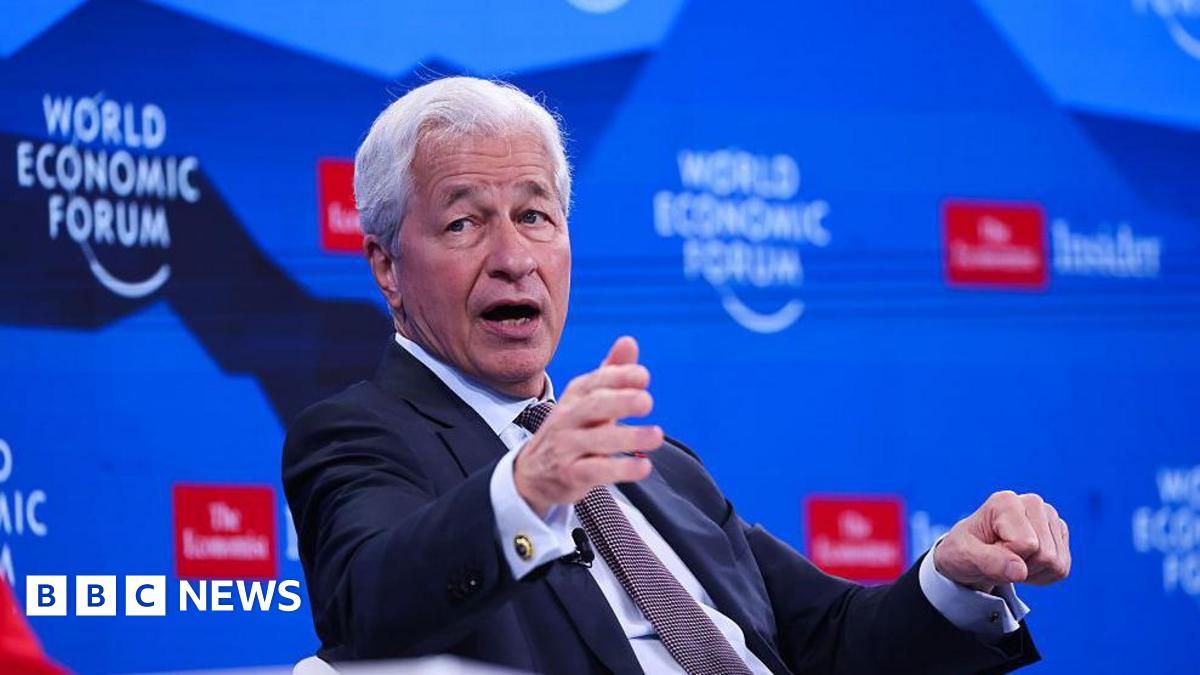
Jamie Dimon voiced concerns regarding the repercussions of a 10% interest rate cap, stating unequivocally that the real victims would not be the credit card companies themselves but instead various sectors including restaurants, retailers, travel companies, schools, and municipalities. These groups, he argues, would suffer the most as consumers would struggle to meet their financial obligations, leading to a ripple effect on the economy. “The people crying the most won’t be the credit card companies,” he noted, emphasizing the broader impact on everyday businesses and communities.
The Industry Response
Top executives at JP Morgan and other financial institutions have raised alarms over the proposed cap, criticizing it for potentially hindering access to credit. They argue that such a measure could lead to “devastating” consequences for millions of families and small businesses who rely on credit cards for daily transactions and emergencies. In today’s financial landscape, where the average interest rate for credit cards hovers around 20%, a cap may seem advantageous for consumers but presents significant risks to the credit market’s stability.
Trump’s Vision
On the other side of the debate, Donald Trump has staunchly advocated for a 10% cap on credit card interest rates. During a recent interview on CNBC, he reiterated his stance, citing conversations with credit company executives and expressing a belief that their profit margins warrant some concessions for consumers. “They make a lot of money; they got to give people a break,” Trump asserted, portraying the cap as a necessary measure to protect the American public from unfair financial practices.
The Financial Sector’s Concerns
The US banking associations have responded robustly to Trump’s proposal, warning that capping interest rates could lead to a tightening of credit access overall. By imposing such limits, banks may be compelled to raise fees or tighten credit standards, making it harder for consumers to obtain the credit they need. This could have broader implications, leading to financial exclusion for many, particularly those who rely on credit cards for essential purchases.
Economic Implications
Beyond individual consumers, the proposed cap has implications for the economy at large. Organizations and municipalities that depend on regular payments from consumers would face increased risks of default if users struggle financially due to these changes. As Dimon pointed out, the impact could extend to basic utilities and services, wherein citizens may miss payments on essential items like water and electricity. Such scenarios pose a threat to economic stability and healthy consumer-business relationships.
Investor Reaction
Trump’s proposal has already caused tremors in the financial markets, influencing investor sentiments towards credit card companies. Stocks for industry giants such as American Express, Visa, and Mastercard saw declines shortly after Trump’s announcement, reflecting the uncertainty and potential financial fallout that such caps could entail. Investors are often wary of legislative changes that could disrupt established business models, and in this case, a cap could fundamentally alter the landscape of credit usage.
Conclusion
The ongoing debate regarding capping credit card interest rates encapsulates the tensions between consumer protection and the viability of credit markets. As prominent figures like Jamie Dimon and Donald Trump engage in this discourse, the potential consequences for various stakeholders—ranging from individual consumers to large corporations—highlight the complexity of reforming financial regulations. This discussion underscores a fascinating intersection of economic policy and consumer advocacy, where the stakes are high and opinions are varied.