


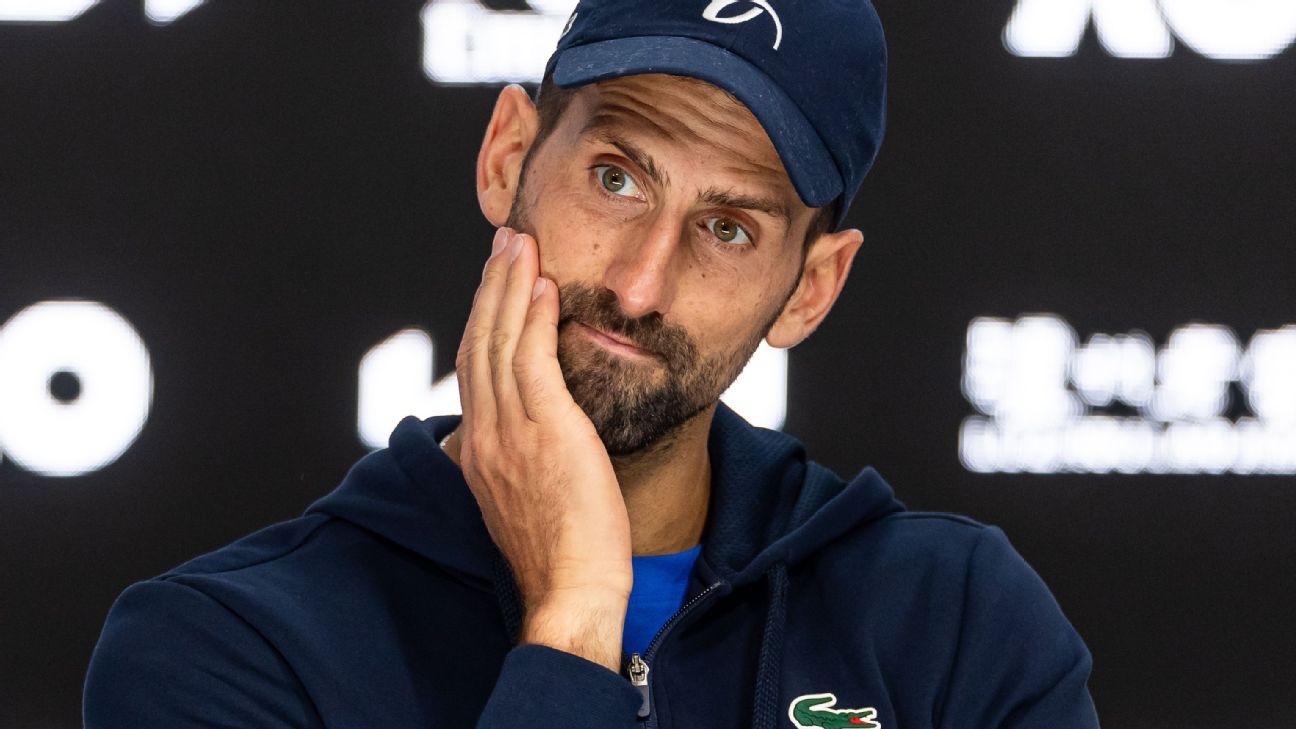
Novak Djokovic Cuts Ties with PTPA: A Closer Look at His Decision
In a significant turn of events in the world of professional tennis, Novak Djokovic, a revered figure and 24-time Grand Slam champion, has officially severed ties with the Professional Tennis Players Association (PTPA), an organization he co-founded. His announcement stirred discussions among fans and tennis professionals alike, as it raises questions about the future direction of player representation in the sport.
Background on the PTPA
Djokovic established the PTPA in 2021 alongside Canadian player Vasek Pospisil. The organization was envisioned as a response to the unique challenges faced by tennis players, many of whom operate as independent contractors in a predominantly individual sport. With a goal of advocating for better representation and welfare for players, the PTPA aimed to become a full-fledged union capable of negotiating collective bargaining agreements—an aspect of player rights that is traditionally associated with team sports.
The Shift in Direction
Djokovic’s recent comments reveal a stark departure from the goals he initially championed. He articulated his concerns regarding the alignment of his values with those of the organization, stating, “it has become clear that my values and approach are no longer aligned with the current direction of the organization.” This statement not only signals a personal decision but reflects broader concerns about governance and representation within the PTPA.
Ongoing Legal Challenges
Compounding his discontent, the PTPA has been embroiled in legal disputes, including a class-action lawsuit filed in March against major governing bodies in tennis, like the ATP, the WTA, the International Tennis Federation (ITF), and the four Grand Slam tournaments. This lawsuit accuses the organizations of systemic abuse and anti-competitive practices that undermine players’ welfare and earnings. Djokovic, however, opted not to be a plaintiff in this suit, suggesting that he preferred to encourage other players to take the lead in these talks. This stance indicates a potential shift in his focus—from collective activism to more personal endeavors.
Transparency and Governance Concerns
An important aspect of Djokovic’s resignation can be traced to his frustrations with the transparency and governance within the PTPA. In his statement on X (formerly Twitter), he expressed ongoing concerns about how his voice and image had been represented, indicating a rift not just in operational goals, but also in the foundational principles of the organization.
Djokovic’s priorities appear to be realigning. Moving forward, he emphasized a focus on personal elements of his life, including his family and his tennis career. He made clear that he aims to contribute to the sport in ways that align with his integrity and principles, distancing himself from an organization that no longer reflects his values.
Pospisil’s Continued Involvement
While Djokovic has withdrawn from the PTPA, Vasek Pospisil remains involved, having been a significant player in the organization’s activities. The future of the PTPA now hinges on how well it can redefine its mission in the wake of Djokovic’s departure and maintain the support of other players who initially rallied around the cause.
The Future of Player Representation
Djokovic’s exit from the PTPA poses critical questions about the future of player representation in tennis. Can the PTPA become the force for change it aspired to be without its most high-profile advocate? Or will this split lead to a reevaluation of how players advocate for their rights and earnings in a sport historically dominated by individualism?
As the tennis community digests this news, it’s clear that the narrative around player representation is evolving, and Djokovic’s departure marks a significant chapter in that ongoing story. His decision might inspire a rethinking of how the sport addresses the needs and welfare of its players, and whether new avenues for representation will emerge in this ever-competitive landscape.