


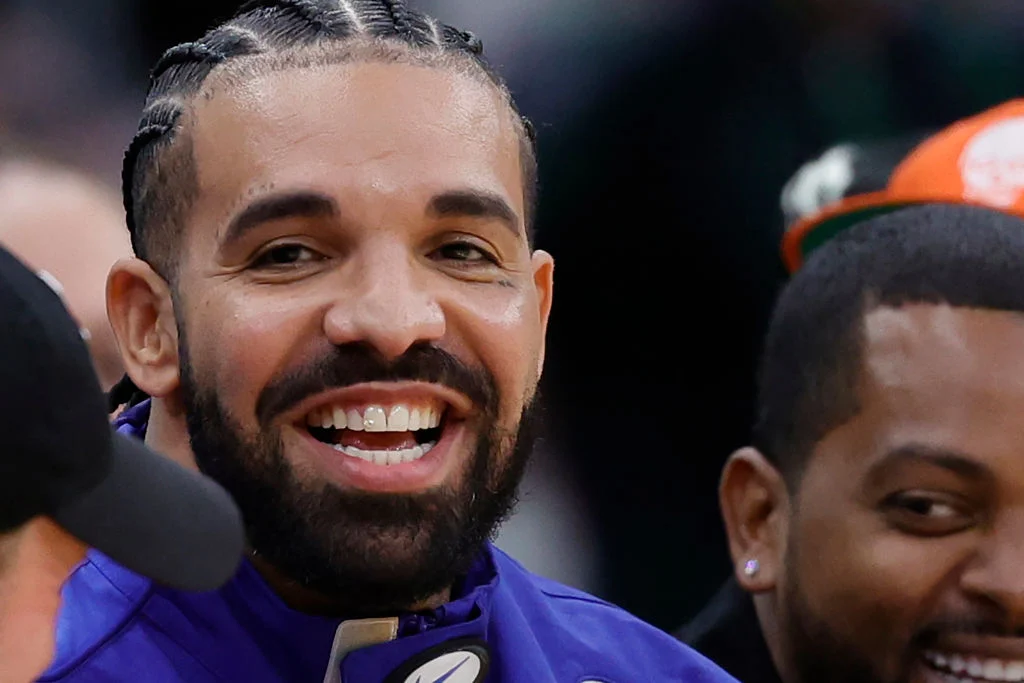
Drake Faces Streaming Manipulation Lawsuit Amid Casino Controversies
Drake, the multi-platinum selling artist and cultural icon, finds himself at the center of a complex legal dispute involving accusations of streaming manipulation. Filed on December 31 in Virginia, a lawsuit brought by LaShawnna Ridley and Tiffany Hines accuses Drake, alongside popular streamer Adin Ross and a man named George Nguyen, of promoting an illegal online casino through Stake, a company known for its virtual currency gambling platform.
Allegations Against Stake and Streaming Practices
The suit outlines troubling allegations against Stake, claiming it misleads users and regulators by presenting itself as a legal gambling entity while facilitating illicit activities. Ridley and Hines assert that Drake, Ross, and Nguyen have utilized Stake’s tipping feature to transfer money to themselves without proper financial oversight. This accusation raises significant questions regarding the ethical and legal implications of their financial dealings.
A central claim in the lawsuit is the assertion that Drake is using the profits from Stake to artificially inflate the streaming numbers of his music. The document alleges a multi-layered scheme whereby money earned from Stake is utilized to generate “fraudulent streams,” fabricating popularity and misleading music label executives. It’s a serious charge suggesting that not only is Drake potentially manipulating his own success, but that he may also be leveraging it to undermine competition in the music industry.
The Mechanisms of Alleged Manipulation
The lawsuit dives deeper into the mechanics of the alleged manipulation. It asserts that Drake, along with his co-conspirators, has employed automated bots and streaming farms—a tactic that’s been increasingly scrutinized in the music business. These farms are notorious for inflating play counts on platforms like Spotify, thereby skewing the actual popularity measurements for artists. The implications of such actions extend beyond personal gain; they could distort recommendation algorithms that dictate which music reaches listeners, thus affecting emerging artists.
Previous Accusations and Class Action Suits
Drake’s association with streaming manipulation is not new. This lawsuit aligns with earlier claims against him, particularly a class-action suit that emerged in Missouri. This suit alleges that Drake, along with Stake, has targeted youthful audiences through influencer marketing, creating an illusion of legitimacy while engaging in deceptive practices. Critics suggest that by livestreaming their gambling experiences, Drake and his companions misrepresented their actual involvement, raising ethical concerns about influencer accountability in the digital age.
Moreover, another class-action lawsuit against Spotify claims that Drake has benefited from billions of artificial streams. Such lawsuits highlight the growing scrutiny that artists face over authenticity in an industry where the stakes are incredibly high.
The Counter Case: Drake’s Own Legal Battle
Interestingly, Drake is not just the target of accusations; he is also embroiled in a lawsuit as the plaintiff. Following a heated rap feud with Kendrick Lamar in 2024, Drake took legal action against his own label, Universal Music Group, and Spotify, claiming they conspired to inflate Lamar’s streaming numbers at his expense. This case arose after Lamar released “Not Like Us,” a track that gained tremendous popularity and scrutiny, eventually breaking records on the Billboard charts.
Drake’s defamation claim stemmed from the lyrics of “Not Like Us,” which he argued harmed his reputation. Although a judge dismissed the case in October 2025, Drake appealed, indicating that the public quarrel with Lamar remains far from settled. The proceedings are expected to continue soon, suggesting that the stakes for Drake—and his career—are only getting higher.
The Broader Impact on the Music Industry
The implications of these lawsuits extend beyond Drake himself. They reflect a growing concern within the music industry regarding transparency and ethics, particularly in an age dominated by digital streaming. As artists explore various revenue streams, the potential for abuse increases, prompting regulators, companies, and fans to demand greater accountability.
These developments reveal a fragile intersection between celebrity culture, legality, and the impact of new technologies on art and commerce. As the situation unfolds, it will be fascinating to observe how it may reshape not only Drake’s career but also the broader landscape of the music industry itself.