


Overnight Drone Strike at Shatura Power Plant: A New Chapter in the Russia-Ukraine Conflict
In a dramatic escalation of hostilities, an overnight drone strike reportedly targeted the Shatura power plant, a vital energy supplier for Moscow. This incident not only underscores the increasing intensity of the conflict between Russia and Ukraine but also highlights the shifting dynamics as both nations intensify their focus on crippling each other’s critical infrastructure.
The Incident at Shatura
The strike on the Shatura power plant, located just outside Moscow, is particularly significant given its role in supplying electricity to the capital. Local reports indicate that the attack resulted in a substantial fire, raising concerns about the resilience of Russia’s energy infrastructure. The attack was swift, utilizing drones, which have become a favored tool in modern warfare for their precision and ability to evade traditional defensive measures. Eyewitness accounts described a scene filled with chaos as firefighters rushed to contain the flames, striving to prevent a larger catastrophe.
The Broader Context of Energy Warfare
The targeting of energy infrastructure marks a pivotal shift in the ongoing conflict. Both Ukraine and Russia have increasingly realized that disrupting each other’s power supply could substantially weaken morale and the capacity to sustain military operations. For Ukraine, targeting Russian infrastructure is an act of retaliation against the backdrop of constant aggression. Conversely, by striking back at facilities like Shatura, Russia aims to instill fear and create a sense of vulnerability among the Russian populace. This tit-for-tat strategy signifies an escalation that goes beyond mere battlefield skirmishes.
The Trump Administration’s Peace Plan
Amidst this backdrop of escalating violence, the Trump administration has been advocating a peace plan aimed at de-escalating tensions between the two nations. The complexities of diplomacy in this context are immense. With both sides ramping up attacks, the prospects for negotiations appear increasingly dim. Former President Trump’s engagement signals a desire to bring a halt to hostilities, but the effectiveness of external mediation in such a highly charged environment remains uncertain. Many analysts are skeptical about the willingness of both Moscow and Kyiv to reach a compromise that would satisfy both sides.
The Impact on Civilians
As with any conflict, civilian lives are invariably affected. The fire at the Shatura power plant not only disrupts energy supply but also places residents in precarious situations. Electricity outages can lead to numerous issues, from halted public transportation to disrupted essential services like hospitals. Coupled with winter fast approaching, the potential human cost adds another layer of urgency to the ongoing conflict.
Public sentiment in Russia is particularly noteworthy. While state media may present a narrative of resilience and strength, many citizens are becoming increasingly aware of the war’s toll on their lives. Power shortages, rising costs of living, and the specter of continued conflict weigh heavily on the minds of ordinary Russians as their government continues to engage in military operations.
The Role of Technology in Modern Warfare
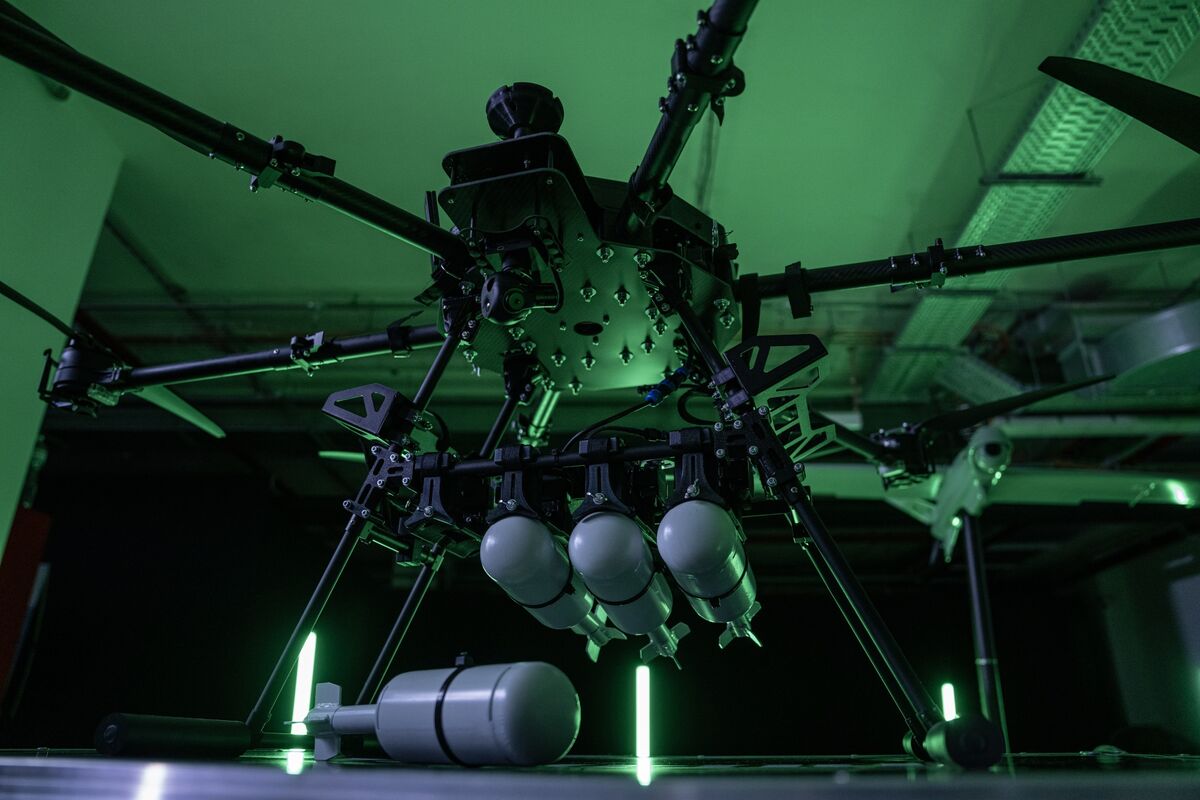
The recent drone strike encapsulates the evolving nature of warfare in the 21st century. Unmanned aerial vehicles (UAVs) have transformed the battlefield, allowing for targeted strikes that minimize direct confrontation. The use of drones raises critical questions about ethics and warfare, especially when civilian infrastructure becomes collateral damage. Each side’s ability to deploy sophisticated technology in the conflict alters strategies and tactics, leading to a rapid arms race in UAV capabilities.
The International Response
The international community is closely monitoring the situation, with leaders expressing concerns about the implications of targeting civilian infrastructure. Calls for restraint and a return to diplomatic channels are echoed from various global leaders, emphasizing the need for immediate ceasefires and negotiations. However, factions within both Russia and Ukraine seem bent on pursuing aggressive strategies rather than pursuing peace, complicating the role of international actors aiming to mediate the crisis.
Future Implications
As the conflict continues to evolve, the implications of the drone attack on the Shatura power plant extend far beyond military tactics. It marks a definitive moment in a war that has transformed the geopolitical landscape of Eastern Europe. The increased focus on energy infrastructure brings energy security and dependency to the forefront of international political discourse. For citizens on both sides, the path ahead appears fraught with uncertainty as each day brings new challenges and anxieties.
In the wake of such incidents, the world watches closely, pondering the potential outcomes of a conflict that has already destabilized a region and led to widespread humanitarian crises. With each drone strike and retaliatory measure, the consequences ripple outwards, affecting lives far beyond the immediate vicinity of the battlefield.