


Not Guilty Verdicts in Eurie Martin Case Spark Outrage and Calls for Justice
Background of the Incident
In a case that has reverberated through the small town of Deepstep, Georgia, three former sheriff’s deputies were found not guilty of murder in the 2017 death of Eurie Martin, a 58-year-old Black man. The incident that led to his death began when Martin, walking through the town to visit relatives for his birthday, asked a homeowner for a drink of water. This simple request raised suspicions and ultimately led to tragic consequences.
Details of the Encounter
On a scorching July day, with temperatures soaring to 95 degrees, Martin walked along the road when Cyrus Harris Jr., a white homeowner, noticed him. Harris described Martin as a “big guy” who looked rough around the edges and hadn’t bathed in days. Alarmed by Martin’s presence and his request for water, Harris called 911, setting the stage for a deadly encounter.
When deputies Henry Lee Copeland, Michael Howell, and Rhett Scott arrived, they claimed that Martin was walking illegally and had littered by dropping a soda can. The deputies asserted that Martin exhibited aggressive behavior and refused their commands, prompting them to use Tasers on him.
Use of Force and Its Aftermath
In what many view as excessive, the deputies used Tasers on Martin at least 15 times within a span of one minute and thirty seconds. An autopsy by the Georgia Bureau of Investigation labeled Martin’s death a homicide, highlighting the severity of the situation. Dash-cam footage and bystander videos recorded the harrowing scene, illuminating the final moments of Martin’s life.
The Washington County sheriff’s office took immediate action following the incident, terminating the employment of all three deputies involved. This decision underscored the community’s outrage and concern over the use of force, particularly in a case involving a man who merely sought help.
The Trials and Subsequent Verdicts
The legal journey surrounding this case has been torturous, stretching over eight years and culminating in two trials. The first trial ended in a mistrial due to a deadlocked jury. In the recent verdict delivered late Thursday, the former deputies were acquitted of murder and aggravated assault charges. While Scott was fully cleared, the jury couldn’t reach a decision on involuntary manslaughter and reckless conduct charges against Copeland and Howell.
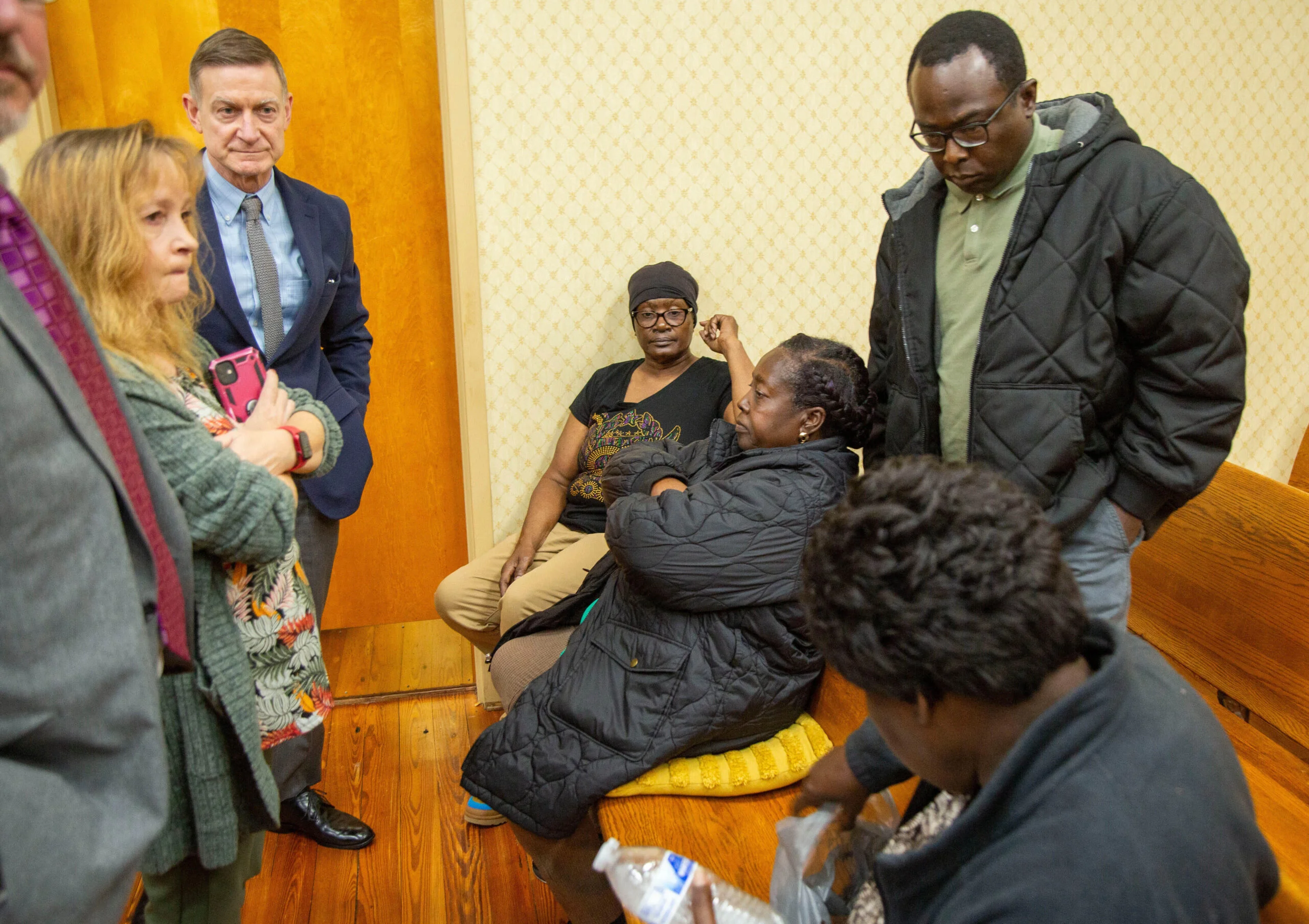
“We’re elated,” Karen Scott expressed regarding her son’s acquittal, contrasting sharply with the emotions felt by Martin’s family, who were left disappointed and heartbroken. Helen Gilbert, Martin’s sister, lamented, “After eight long years, I’m just very disappointed.”
Community Impact and Continued Fight for Justice
While the former deputies celebrate their acquittal, civil rights attorney Francys Johnson continues to advocate for Martin’s family. He is pursuing a lawsuit in federal court, asserting, “As a free man in this country, he should have been able to walk home.” Johnson’s comments illuminate the larger issues of systemic racism and law enforcement practices that catalyze such tragedies.
The local district attorney recused himself from the proceedings due to a conflict, entrusting the prosecution to Don Kelley from Columbus. Following the verdict, Kelley faces a decision on whether to pursue further charges against the former deputies, signaling the possibility of a third trial.
Reflections on the Legal Arguments
During the trial, defense attorney Shawn Merzlak contended that the deputies acted reasonably given the circumstances, arguing that they had the right to detain Martin based on their suspicion of criminal behavior. This justification sparked heated debate, with prosecutor George Lipscomb challenging the rationale as “absurd.” The differing perspectives on acceptable law enforcement conduct encapsulate the ongoing struggle for justice and accountability within the community and beyond.
The Ongoing Dialogue on Racial Justice
As news of the acquittals spreads, conversations on race, policing, and the rights of individuals continue to provoke dialogue. The Martin case has illuminated glaring issues in law enforcement practices, particularly regarding how people of color are treated in everyday situations. With calls for justice persisting, the community watches closely, considering the broader implications of the case and the pressing need for reform in policing standards.
This case serves as a reminder of the fragile nature of justice and the systemic changes necessary to protect the rights and lives of all individuals, regardless of their race or circumstance. With activists and community members advocating for change, the quest for justice in Martin’s name continues.