


The Abduction of Nicolás Maduro: An Escalating International Crisis
Recent Developments
Washington, DC – The abduction of Venezuelan President Nicolás Maduro by the United States has sparked an international outcry and intense debate regarding its legality and implications. Officials in Washington are attempting to leverage the indictment of Maduro by the US criminal justice system to justify this military operation. However, experts caution that utilizing domestic legal frameworks to launch military actions on foreign soil raises substantial legal and ethical concerns.
Legal Framework and International Norms
Experts assert that one fundamental principle of international law prohibits a state from enforcing its laws on the territory of another state without that state’s consent. Margaret Satterthwaite, a United Nations special rapporteur, explained the implications of this principle, emphasizing that if a country harbors an individual whom the US considers a fugitive, the US must obtain consent to arrest them. Such unilateral actions, she contends, not only violate international norms but also undermine the sovereignty of states.
Maduro’s Indictment
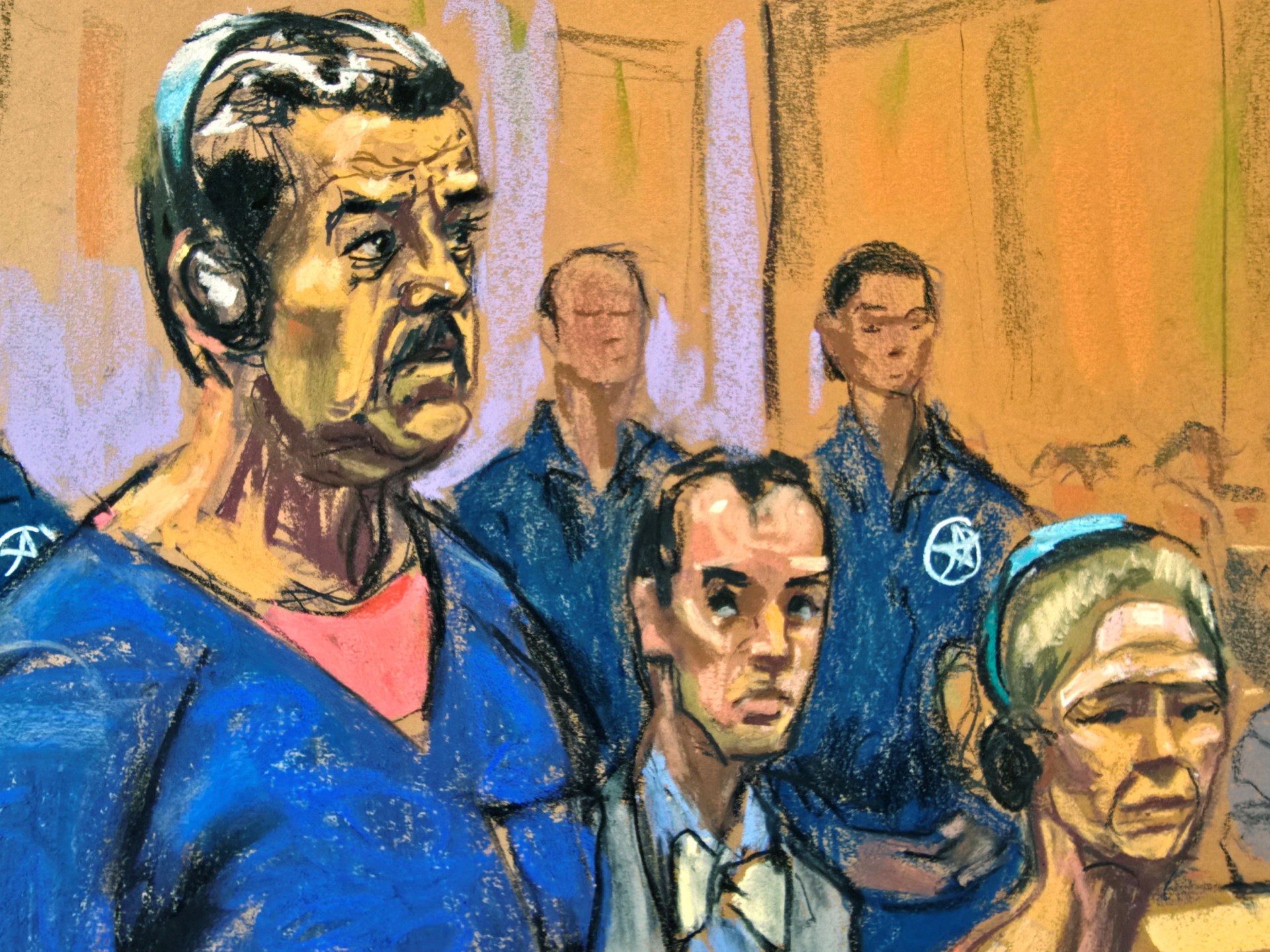
Maduro has faced drug and gun-related charges since a 2020 indictment by the US Justice Department. After his abduction, he appeared in a New York court, proclaiming his innocence and characterizing the event as a kidnapping. This situation raises pressing questions about the legality of taking a head of state without the receiving government’s consent, further complicating the matter with issues of diplomatic immunity.
Head-of-State Immunity
Another significant factor in the discussion is the principle of immunity for heads of state. This concept, affirmed by the International Court of Justice, protects high-ranking officials from prosecution abroad. The recent actions of the US not only disregard this principle but also blur the lines between law enforcement and military aggression. Satterthwaite points out that while concerns exist about Maduro’s governance, this should not justify an extrajudicial military operation.
The US Justification
Despite international legal consensus, American officials, including Republican Senator Tom Cotton, argue that the abduction should be viewed as a routine law enforcement action rather than an act of aggression. Cotton compared the situation to local law enforcement capturing a fugitive and indicated that such operations do not necessitate prior notification to Congress.
US Vice President JD Vance has also invoked Maduro’s indictments to legitimize the military action, asserting that residing in a palace does not exempt individuals from facing US justice for drug trafficking. This rationale, however, has been met with skepticism and criticism from legal scholars, who argue it misrepresents the tenets of international law.
Ethical and Legal Implications
Yusra Suedi, an assistant professor specializing in international law, highlighted the conflict between US domestic law and international legal standards. The attack on Venezuela violates the UN Charter, which explicitly prohibits any actions that threaten the territorial integrity or political independence of a state. This stark reminder underscores the difficulty of justifying military actions based on a national legal framework.
Ian Hurd, a political science professor, dismissed US claims that the operation was merely a law enforcement effort. He pointed out the absurdity of a scenario where another country could issue arrest warrants against US officials and act on them forcefully. The implications of such arguments are far-reaching, as they set dangerous precedents for international relations.
Questions of Legitimacy
Supporters of Maduro’s abduction assert that his administration lacks legitimacy due to accusations of electoral fraud in past elections. Opposition figure Maria Corina Machado emphasized that Venezuelans had expressed opposition to Maduro, arguing that his removal should not be classified as regime change.
However, experts maintain that such arguments regarding Maduro’s legitimacy do not affect the legality of the military operation. At the time of his abduction, Maduro was acknowledged as Venezuela’s president by the US Justice Department, which complicates any claims to legitimacy.
Historical Context: The Noriega Precedent
Some defenders of the US action point to the 1989 invasion of Panama and the subsequent seizure of President Manuel Noriega as a legal precedent. They argue that the US successfully prosecuted Noriega on drug charges after the invasion, creating a framework they believe legitimizes similar actions today.
However, Satterthwaite disputes this comparison, noting that Noriega’s case involved its own set of legal issues under international law. The circumstances differed significantly, especially considering prior engagements between the US and Panama. The argument that Noriega was not acting as the legitimate leader echoes uncomfortably today as the US navigates Maduro’s similar claims.
In Summary
The abduction of Nicolás Maduro raises complex questions about sovereignty, international law, and the legitimacy of using military force in foreign relations. While officials in the US may seek to justify their actions through domestic legal frameworks, the overarching principles of international law present significant challenges to their rationale. As the situation unfolds, the implications for Venezuela, the United States, and global diplomacy will likely continue to resonate far beyond this singular event.