


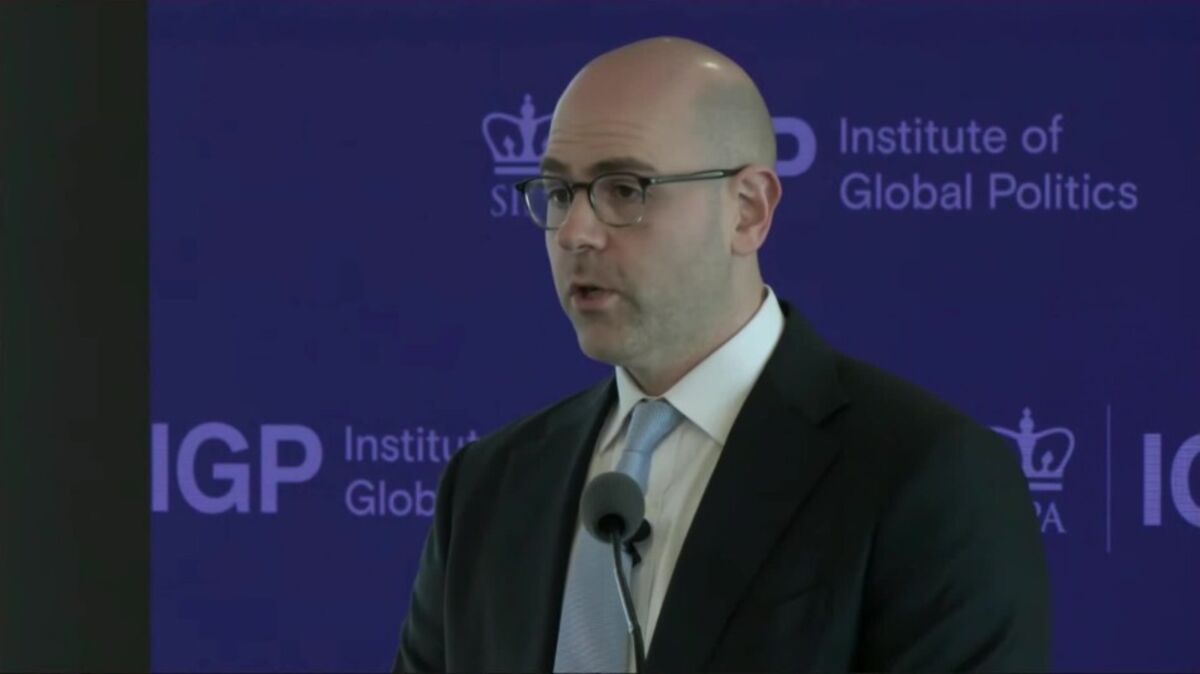
Federal Reserve Governor Stephen Miran’s Stance on Monetary Policy
Understanding the Current Economic Climate
Federal Reserve Governor Stephen Miran has recently voiced his concerns regarding the central bank’s monetary policy. During an engaging event at Columbia University in New York, he highlighted that the current policy stance might be overly restrictive. This assertion diverges from the prevailing narrative of tightening monetary control and raises questions about the Federal Reserve’s approach in a changing economic landscape.
Inflation Outlook: A Benign Perspective
Miran presents an optimistic view of inflation, suggesting that it has stabilized or even softened in recent times. He argues that the essential conditions for inflation—demand pressures, supply challenges, and labor costs—have shown signs of moderation. For consumers and businesses, this perspective can evoke a sense of relief, especially after experiencing years of fluctuating prices and economic uncertainty. When inflation is perceived as benign, it opens discussions about the necessity of ongoing interest rate hikes.
Labor Market Warning Signs
While Miran holds a cheerful outlook on inflation, he also draws attention to potential warning signs in the labor market. Employment trends have shown volatility, with various sectors experiencing fluctuations in job availability. Indicators such as rising unemployment in certain industries or wage growth that doesn’t keep pace with inflation could signal underlying issues. Miran’s remarks urge policymakers to consider these labor market dynamics carefully, as they may have far-reaching implications for economic stability.
Navigating the Policy Dilemma
The crux of Miran’s argument lies in the dilemma faced by the Federal Reserve: balancing inflation control with supporting employment growth. He cautions against maintaining a restrictive monetary policy that could inadvertently stifle job creation. The aim is to foster an environment where the economy can flourish without the constant pressure of elevated interest rates. As Miran emphasizes, rigid adherence to restrictive policies could constrain economic activity, sending mixed signals to businesses and consumers alike.
Calls for a Tailored Approach
Miran advocates for a more nuanced approach to policy adjustments. He believes that a one-size-fits-all strategy may not be effective in the current climate. By considering specific economic indicators and sectoral variances, policymakers can better tailor their strategies to support growth while maintaining price stability. This perspective encourages a more dynamic and flexible monetary policy framework.
Engaging with Economic Theories
At the event, Miran delved into economic theories that challenge traditional views regarding inflation and employment. He referenced models that suggest a more complex relationship between these variables than previously understood. This exploration opens the door for economists and policymakers to rethink their analyses and embrace innovative ideas that reflect real-world complexities.
Feedback from the Financial Community
Miran’s comments have sparked lively debates among financial analysts and economists. Some echo his sentiments, arguing for a reconsideration of the current monetary policies. Others, however, believe that a tighter policy is necessary to ward off potential inflation in the future. This discourse underscores the diverse opinions that exist within the economic community and the challenges facing the Federal Reserve in navigating these waters.
The Path Forward for the Federal Reserve
As discussions continue, the Federal Reserve finds itself at a crossroads. Miran’s insights encourage a critical examination of the course ahead. The central bank must weigh the potential benefits of a more accommodative stance against the risks of inflationary pressures. This balancing act requires careful consideration and a robust understanding of the current economic indicators.
Conclusion of the Discussion
Miran’s statements resonate as a reminder of the complexity inherent in managing a national economy. By addressing inflation and labor market concerns, the Federal Reserve is challenged to remain responsive to evolving economic conditions. In this shifting landscape, the ongoing dialogue about monetary policy remains crucial, highlighting the importance of flexibility and informed decision-making in the sphere of economic governance.