


The Aftermath of Destructive Wildfires in Los Angeles
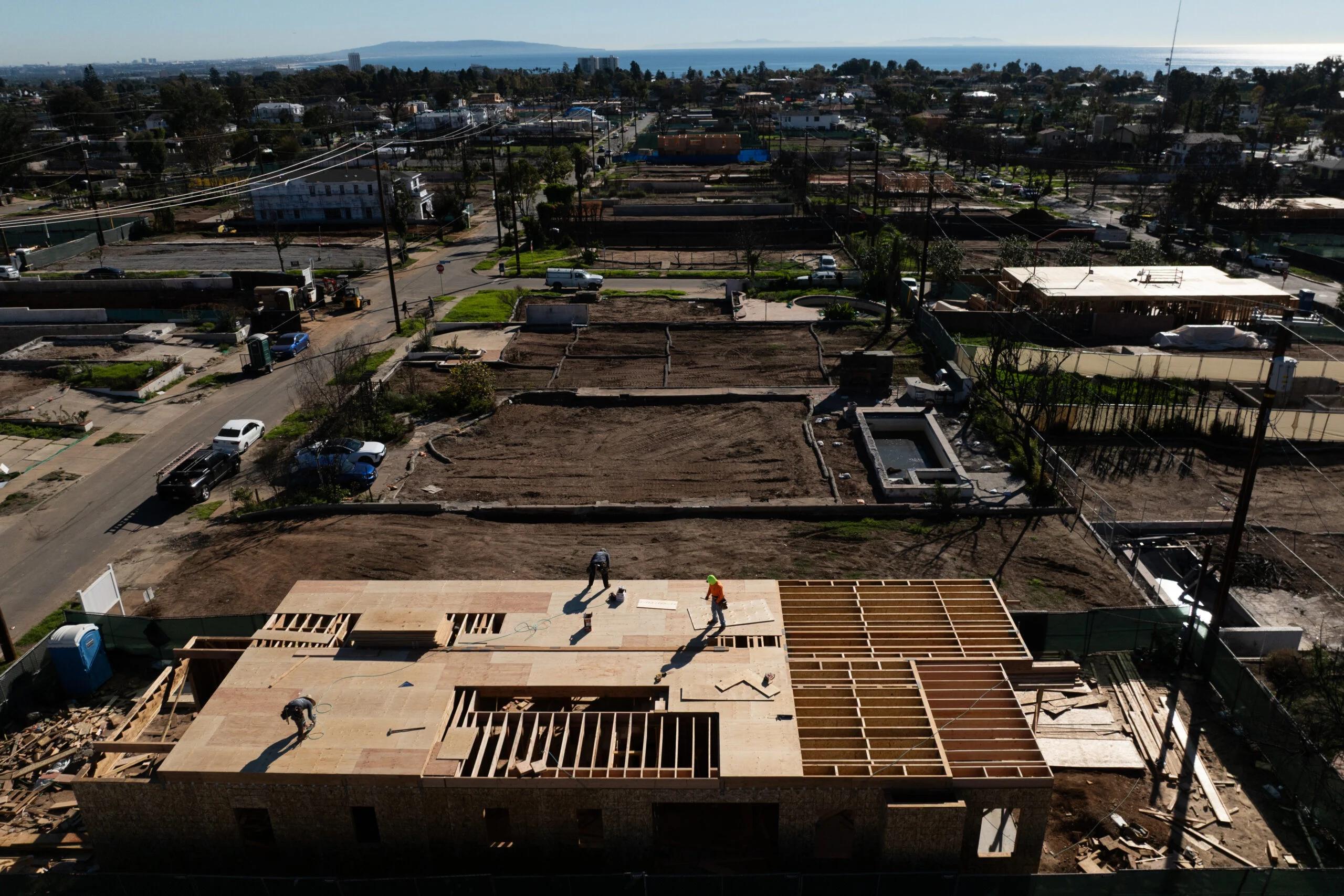
On the first anniversary of the devastating Los Angeles wildfires, the landscape remains a haunting reminder of the destruction. These fires, which erupted on January 7, 2025, claimed 31 lives and obliterated around 13,000 homes and properties within the region. As smoke cleared, residents faced an uphill battle, with rebuilding efforts proving slow and burdensome.
Rebuilding Woes
In Los Angeles County, fewer than a dozen homes have been rebuilt since the fires. The landscape is still lined with rubble; the once-vibrant neighborhoods of Pacific Palisades and Altadena are now dominated by dirt lots and remnants of former homes. This slow pace of reconstruction is particularly concerning as many residents lack adequate insurance coverage to offset rebuilding costs.
Ted Koerner’s story stands in contrast to the broader struggles faced by many. After losing his Altadena home to the flames, he quickly liquidated a substantial portion of his retirement savings to initiate the rebuilding process without waiting for his insurance payout. Thanks to his proactive approach, he was one of the first residents to finish his rebuild late last year, allowing him to bring home his beloved golden retriever, Daisy Mae.
The Financial Struggle
For countless homeowners, the situation is far more dire. Even with insurance, many discover the harsh reality that compensation falls short of actual rebuilding costs. Joy Chen, the executive director of the Eaton Fire Survivors Network, emphasizes the gaps between insurance payouts and the financial needs of those looking to rebuild. An alarming statistic from a recent survey reveals that less than 20% of individuals who lost their homes had finalized their insurance claims by December, leaving many in a state of uncertainty.
High-profile insurers, particularly State Farm, have drawn criticism for their handling of claims during this catastrophic event. Policyholders have reported frustrating experiences including inadequate compensation, cumbersome processes, and prolonged communication delays. Following an investigation into the company’s practices, there has been a notable uptick in payouts; however, many are still left waiting.
The Human Toll
The emotional and psychological toll of the wildfires transcends mere statistics. Many residents are grappling with trauma from their experiences, often feeling lost and abandoned in the chaos of recovery. Jessica Rogers, who lost her home in Pacific Palisades, found herself navigating the complexities of federal assistance programs after discovering her insurance coverage had been canceled without her knowledge.
Jessica embodies the struggle of many—those who must decide whether to deplete retirement savings or seek loans to cover mounting rebuilding costs. She now leads efforts through the Pacific Palisades Long Term Recovery Group, working to support others like herself who are mired in red tape and uncertainty.
Community Resilience and Inequality
While some neighborhoods are starting to see scattered construction activity, experts predict an emerging disparity in recovery efforts. Andrew Rumbach, a co-lead at the Urban Institute, warns that by the next year, we may identify stark contrasts between those who successfully rebuild and those left behind.
In Altadena, a community historically known for its inclusive homeownership among Black families, data highlights a concerning trend: a significant percentage of residents who experienced total home loss have yet to take any action toward rebuilding or selling their property. This situation poses critical questions about equity in recovery efforts and access to resources for marginalized communities.
Stories of Determination
Despite the challenges, stories of resilience continue to surface. Al and Charlotte Bailey have refused to let the loss of their home deter them from rebuilding their lives. Living in an RV on their lot, they are utilizing insurance funds, loans, and possibly compensation from utility companies to rebuild their family home of 41 years. Al poignantly reflects on their deep connection to the community, stating their commitment to return, regardless of the financial hurdles.
As the community navigates the rocky path to recovery, the human spirit shines through resilience and determination. Each rebuilt home represents not just a physical structure, but a testament to the will to overcome adversity in the face of overwhelming challenges.