


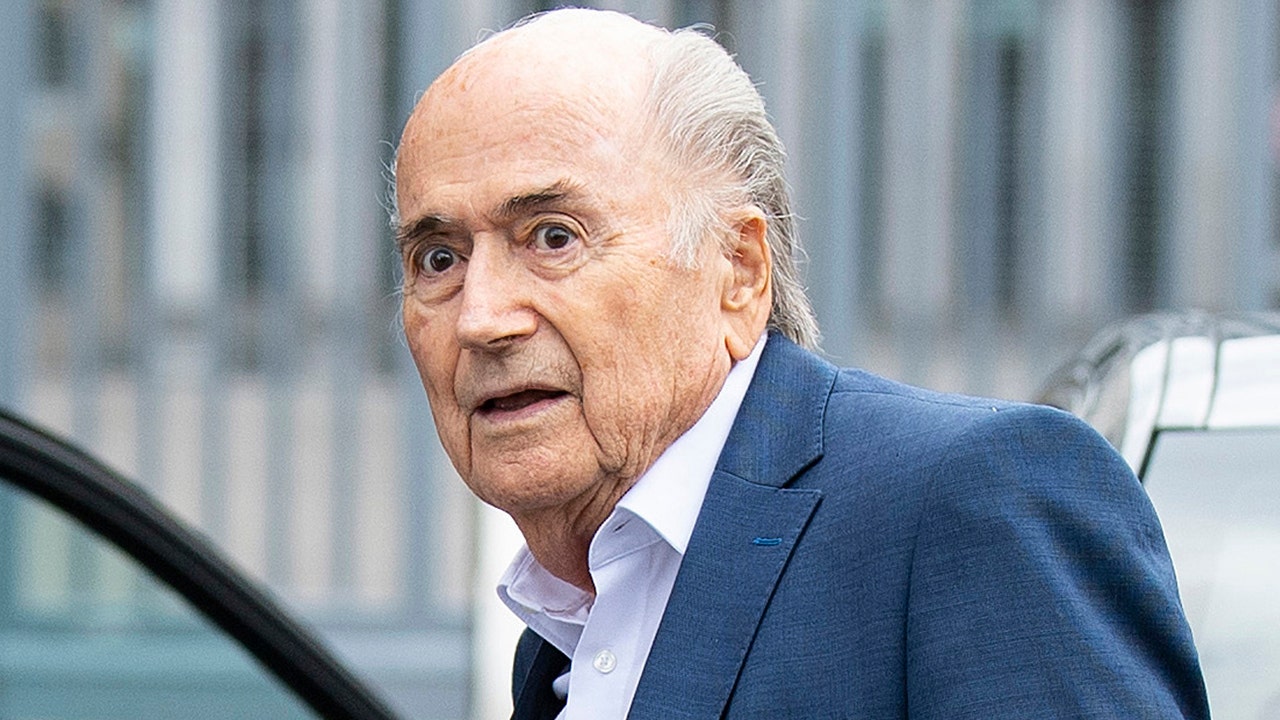
Warning from Sepp Blatter: A Cautionary Tale for Soccer Fans Heading to the 2026 World Cup
As excitement builds for the upcoming 2026 FIFA World Cup—the first joint endeavor by the United States, Mexico, and Canada—one voice has emerged from the past, urging caution. Former FIFA president Sepp Blatter, a figure mired in controversy, recently advised soccer fans to reconsider making the trip to the U.S. during the tournament.
Blatter’s Concerns
At 89, Blatter’s historical understanding of FIFA’s complexities remains unparalleled. However, his recent statements highlight concerns that extend beyond soccer. He argues that the political climate in the U.S., particularly under the Trump administration, poses substantial risks for traveling fans. In a tweet, Blatter echoed the sentiments of Mark Pieth, an anti-corruption advocate, advising soccer enthusiasts: “Stay away from the USA!”
Pieth, who previously oversaw FIFA’s governance reforms, compellingly asserted that fans should expect harsh treatment upon arriving in the U.S. He warned that failure to comply with official demands could lead to fans being deported immediately, undermining the spirit of the World Cup.
Political Climate and Soccer
Blatter’s warning comes amid a landscape filled with political tensions and immigration crackdowns. The former FIFA president expressed particular concern about Trump’s “international aggression” and policies regarding immigration, indicating how these factors could jeopardize fans’ safety. He cautioned that the atmosphere could mirror that of Mexico, where the threat from cartels could overshadow the sport itself.
The sentiment is echoed by Oke Göttlich, a member of the German soccer federation, who has hinted at a potential boycott of the World Cup if these concerns are not addressed. Göttlich remarked, “I really wonder when the time will be to think and talk about this concretely. For me, that time has definitely come.”
The World Cup: A Major Event
The 2026 World Cup is anticipated to draw between 5 and 10 million visitors to the U.S. to enjoy the matches. Co-hosted by Canada and Mexico, the tournament runs from June 11 to July 19, with all matches post the Round of 16 set to take place in yet-to-be-determined American cities. While this presents a thrilling opportunity for fans worldwide, it simultaneously raises valid concerns about safety and access.
Trump’s previous remarks regarding Greenland also add another layer of complexity to the global view of the U.S. These discussions have prompted calls within the soccer community to consider boycotting the event, stemming from broader geopolitical issues that transcend the sport.
International Relations and Fan Experience
Pieth’s assessments highlight that the U.S. is increasingly viewed as “authoritarian,” pointing to systemic issues, including immigration enforcement that has garnered significant criticism. He believes these aspects significantly contribute to a less welcoming environment for international visitors, complicating the very essence of the World Cup as a unifying event.
In a nation where ICE (Immigration and Customs Enforcement) operations have sparked controversy—especially in cities like Minneapolis following tragic incidents—fans may indeed reconsider their travel plans, weighing the joy of attending matches against potential dangers.
Government Initiatives: FIFA PASS
In response to these concerns, the U.S. government has announced initiatives such as the FIFA Priority Appointment Schedule System (FIFA PASS). This plan aims to streamline the visa application process for World Cup ticket holders, allowing them prioritized access to necessary appointments ahead of the tournament’s kickoff.
While Trump maintains that his administration is working to ensure the safety and welcoming of soccer fans globally, the reality of the political climate remains a crucial aspect of the conversation surrounding the World Cup.
Blatter’s Involvement and FIFA’s Future
It is essential to remember that Blatter’s own tenure at FIFA was fraught with corruption allegations, leading to his ousting in 2015. His past complicity in FIFA’s scandals does raise eyebrows as he offers contemporary advice based on today’s political landscape. His replacement, Gianni Infantino, maintains a close relationship with Trump, which adds an intriguing layer to the current FIFA governance dynamics.
Conclusion: A Complex Tapestry
The 2026 World Cup represents not only a grand sporting event but also a multifaceted interplay of politics, safety, and international relations. While Blatter’s warning may resonate with some, it opens the floor to broader discussions about the future of global sporting events in politically charged environments. As the tournament approaches, the world watches to see how these dynamics unfold and what impact they may have on one of the most beloved sports in the world.