


Future Festival 2025 in the USA: Transforming Travel with Innovation Conferences
In 2025, the landscape of business tourism in the USA underwent a remarkable transformation due to the Future Festival 2025, a pioneering event that embraced innovation, foresight, and experiential learning. More than a traditional conference, this multi-city festival attracted professionals eager not only to attend sessions but also to immerse themselves in curated experiences that blended knowledge sharing, networking, and destination exploration.
The Rise of Innovation-Led Travel
As travel patterns evolve, innovation conferences have become central to global mobility. Attendees are no longer passive participants; they seek to become innovation travelers—individuals eager to engage with dynamic ideas and vibrant communities. Future Festival 2025 tapped into this trend, offering a rich amalgamation of strategic insights and place-based experiences.
In this new era, professionals prioritize destinations that provide intellectual capital and innovation ecosystems, signs of the shifting demands that benefit cities capable of hosting impactful, intellectually stimulating events.
Multi-City Format and Its Tourism Impact
A hallmark of Future Festival 2025 was its multi-city approach. Instead of concentrating all events in one locale, the festival dispersed its influence across several urban centers, fostering a broad travel impact. This itinerant model encouraged repeat visits and diverse exploration, turning host cities into expansive learning environments.
Each location featured not just a venue but an integrated context for the event. Participants experienced the innovation themes through the urban landscapes themselves—how a city’s design and cultural offerings intertwined with the ideas discussed, enriching the overall experience.
Miami: Innovation Meets Lifestyle Tourism
Kicking off in Miami, the festival set a vibrant tone by merging strategic insights with the city’s rich cultural backdrop. Known for its dynamic art scenes, culinary diversity, and beautiful beaches, Miami offered more than professional growth; it transformed the conference into a work-travel hybrid experience.
Attendees frequently extended their stays to enjoy what the city had to offer, enhancing local tourism revenues. Miami’s ability to attract high-value business travelers illustrated how lifestyle destinations can effectively cater to professionals when conferences complement the local culture.
Personalized Learning and Curated Mobility
A defining feature of Future Festival 2025 was its commitment to personalized experiences. Attendees crafted itineraries that encompassed workshops and city adventures, resulting in adaptable schedules that blurred the lines between business and leisure.
This approach fostered slower, immersive travel, encouraging attendees to engage deeply with host cities rather than participating in rushed, transactional visits. As a result, local economies benefitted from longer stays and deeper interactions with the community.
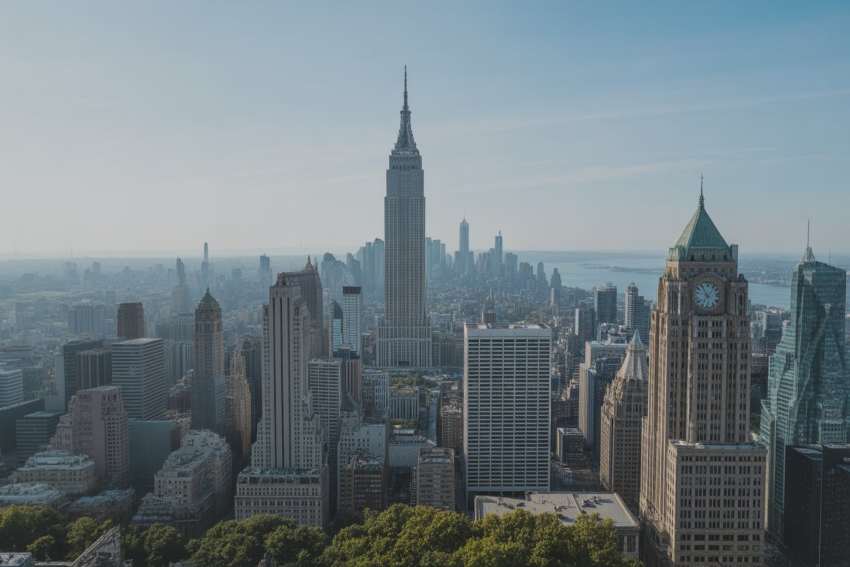
New York City: Knowledge Capital and Urban Tourism
Midway through the festival, New York City showcased its status as a global knowledge capital. With a focus on trends like artificial intelligence and branding, the event attracted professionals driven by intellectual opportunities.
The city’s vibrant urban fabric amplified the festival’s impact, allowing attendees to navigate between conference venues, cultural landmarks, and culinary hotspots. This multi-faceted experience not only fostered urban tourism but also underscored the dynamics of public transport use and local economic engagement.
Conferences as Cultural Experiences
Future Festival 2025 highlighted that conferences are now cultural experiences integral to how travelers interact with cities. Discussions on emerging trends often flowed into informal conversations in cafés and galleries, embedding the event within the local atmosphere.
Such integration cultivates authenticity, enabling attendees to experience cities not merely as tourists but as active participants in their innovative cultures.
The World Summit and Destination Prestige
Culminating in a three-day World Summit, the festival cemented its position in global dialogues around innovation. This flagship gathering attracted a diverse international audience, enhancing the USA’s reputation as a leader in future-driven discussions.
Events of this caliber elevate a destination’s prestige, signaling intellectual leadership and attracting not just tourists but potential investors and entrepreneurs, thereby influencing future travel decisions linked to the host country.
Awards, Recognition, and Travel Motivation
The inclusion of innovation awards offered another layer of appeal, encouraging attendees not only to learn but to seek visibility and validation. This motivation can heighten the willingness to travel internationally and engage in premium accommodation and local tourism activities.
These award ceremonies often generate substantial media attention, further strengthening destination branding and recognition.
Business Tourism and the Knowledge Economy
Future Festival 2025 exemplified the evolution of business tourism within a knowledge-driven economy. Attendees prioritized experiences that promised lasting professional value, rather than short-term networking opportunities.
Destinations that position themselves as learning and innovation hubs stand to benefit significantly, catering to travelers who merge work, learning, and leisure in their journeys.
Extending the Travel Lifecycle
Innovation festivals also play a crucial role in extending the travel lifecycle. Many attendees arrived early or stayed later, turning their conference trips into broader explorations.
In the USA, this trend fosters multi-destination travel, strategically distributing tourism revenue and encouraging repeat visits, often seamlessly connecting conference attendance with regional exploration.
Sustainability and Efficient Travel
Multi-city conferences also promote more strategic travel planning. Many attendees select events closer to home or combine multiple professional objectives into a single trip, aligning with sustainability concerns.
Destinations that offer seamless mobility and comprehensive public transport gain advantages in attracting such innovative events.
The Social Dimension of Innovation Travel
Future Festival gatherings cultivated collaboration and peer exchanges, fostering social connections that often outlast the event. These networks influence future travel, encouraging professionals to revisit cities where they formed meaningful relationships.
This socially-driven dynamic reinforces destination loyalty, with cities tied to enriching intellectual and emotional experiences becoming preferred locales for future engagements.
Redefining the Role of the Conference Delegate
The modern conference attendee transcends the role of a passive delegate; they are now explorers of both ideas and places. Future Festival 2025 embraced this evolution by designing experiences that fostered curiosity, movement, and networking.
For tourism planners, this underscores the need to integrate conference facilities with cultural and recreational offerings, ensuring a holistic experience for attendees.
Positioning the USA in Global Innovation Tourism
By hosting a succession of high-impact innovation events, the USA bolstered its standing in the global innovation tourism realm. The country’s diverse cities offer varied cultural contexts, enabling tailored experiences for different themes and audiences.
This flexibility enhances the USA’s competitiveness, especially as countries globally vie to attract high-value, knowledge-driven travelers.
Looking Ahead: Innovation as a Travel Driver
Future editions of the festival indicate a burgeoning reality: innovation itself has become a compelling reason to travel. Events like Future Festival not only respond to change but also create environments where ideas are dynamically developed and exchanged, paving the way for future explorations within the tourism sector.