


The global landscape of wealth is ever-changing, and recent reports from the Bloomberg Billionaires Index unveil just how vast these changes can be. In 2025 alone, the world’s 500 richest individuals added a staggering $2.2 trillion to their collective fortunes. However, examining regional breakdowns reveals significant disparities, particularly for Africa, which saw the smallest share of this growth.
In stark contrast to the explosive gains in other regions, African billionaires recorded a mere $21.9 billion increase in net wealth during 2025. This amount accounts for roughly one percent of the global increase among billionaires, shining a light on the serious economic challenges faced by a continent of over 1.5 billion people. It raises the question: why is Africa lagging behind?
The wealth surge in the United States and Canada highlighted their dominance in global wealth creation, spurred by booming stock markets, escalating technology valuations, and impressive corporate profits. American tech giants thrived in the fervor surrounding artificial intelligence, as evidenced by the remarkable increases in the fortunes of individuals like Larry Ellison and Elon Musk.
Elon Musk experienced the largest leap in wealth, with his fortune soaring by $190.3 billion, jumping to an astronomical $622.7 billion—largely thanks to his ventures with Tesla and SpaceX. Remarkably, almost a quarter of the total gains from the Bloomberg wealth index came from just eight individuals, showcasing how concentrated wealth can be in today’s economy.
This phenomenon presents a peculiar paradox for ordinary citizens. While increasing billionaire wealth may contribute positively to national statistics and Gross Domestic Product (GDP) figures, such gains seldom translate into tangible benefits for average families. In many cases, the wealth generated inflates asset prices, putting homeownership and investments further out of reach for the typical household.
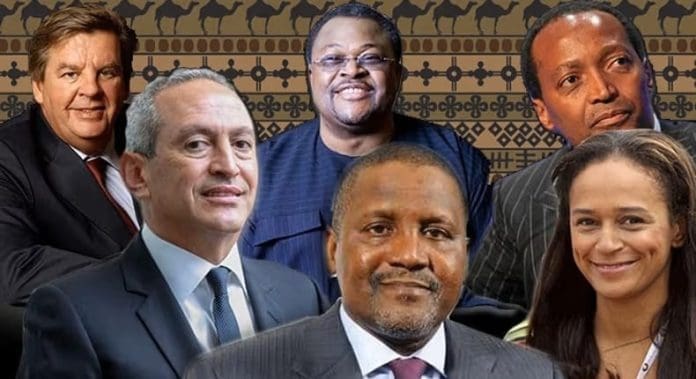
African billionaires number only 25, as noted by the Africa Wealth Report 2025, indicating significant gaps in wealth accumulation. South Africa leads the continent with seven billionaires, while Nigeria and Egypt each boast four. Aliko Dangote retains the title of Africa’s richest man for the 14th consecutive year, with a fortune of $23.4 billion, primarily fueled by his oil refinery’s increasing valuation.
Despite emerging success stories, several systemic barriers restrict Africa’s billionaire growth. These include limited industrial development, weak commodity export value addition, and fragile institutional structures. Economic rewards tend to favor asset owners rather than those engaged in productive labor, further exacerbating the continent’s wealth inequities.
Adding to this complexity is the role of cryptocurrency markets in 2025. The soaring value of Bitcoin, particularly following Trump’s election victory, created substantial gains for some crypto billionaires. However, a significant market slide at the year’s end wiped out those profits, impacting individuals such as the Winklevoss twins and others heavily invested in digital currencies.
The stark reality of global wealth distribution is alarming. In 2025, the wealthiest 10 percent of the global population owned an astounding 75 percent of total wealth. The middle 40 percent controlled just 23 percent, while the bottom half managed a meager 2 percent. Such figures highlight the pressing need for reform and a reevaluation of economic policies that facilitate wealth concentration.
Critics argue that current tax frameworks favor capital gains while neglecting wages, allowing the wealthiest to accumulate resources at an unprecedented rate. Humanitarian groups emphasize that the $2.2 trillion gained by the world’s richest could have lifted 3.8 billion people out of poverty, emphasizing a glaring disconnect between extreme wealth accumulation and broader humanitarian needs.
African billionaires’ limited share of wealth gains underscores the urgent need for policy reforms that foster industrialization, enhance institutional integrity, and develop deeper capital markets. Such changes are essential if the continent aspires to create opportunities that enable wealth generation through productive work, rather than merely accumulating returns from assets.
Ultimately, the disparity in billionaire wealth accumulation across regions reflects not just economic conditions, but fundamental differences in market structures, development opportunities, and the very frameworks that allow wealth to be created and sustained. Understanding these intricate dynamics is crucial for addressing the challenges that lie ahead.