


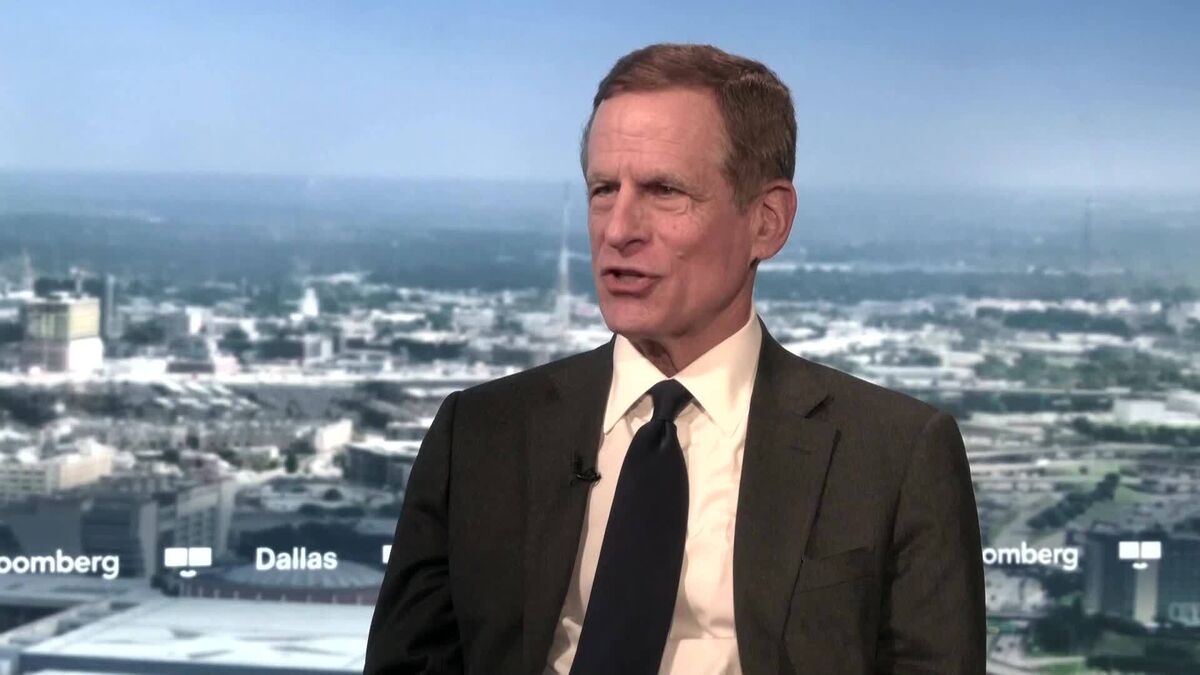
Understanding the Views of Goldman Sachs Vice Chairman Robert Kaplan on the Federal Reserve
In a candid discussion with Julie Fine, Goldman Sachs Vice Chairman Robert Kaplan expressed his insights on the future of the Federal Reserve, especially in light of the impending discussions around Chair Jerome Powell’s potential successors. Kaplan underscored a crucial aspect of this transition: he believes that all candidates being considered have the capability to adequately fulfill the role of Federal Reserve Chair.
Candidates for Change
The conversation brings forth an essential point of reassurance during a time of uncertainty. Kaplan’s confidence in the pool of candidates sheds light on the importance of leadership in the Federal Reserve. Each candidate, whether known for their academic background or fiscal policy experience, presents a unique perspective that could steer the Fed’s course in the coming years. Kaplan’s endorsement indicates that the institution is in good hands, no matter who steps into the top role.
The Neutral Rate Discussion
Kaplan highlighted that the current interest rates are about “neutral” — a term that speaks volumes in economic discussions. For many, the neutral interest rate represents the equilibrium where monetary policy neither stimulates nor restrains economic growth. Kaplan’s assertion suggests that the Fed has reached a point where rates are balanced, promoting a healthy economic environment. By framing the current rate situation as neutral, he provides insight into the Fed’s recent policy adjustments and its underlying strategy.
The Economic Impact of Tariffs
Turning the focus to broader economic concerns, Kaplan also delved into the implications of tariffs. The trade tensions that have marked recent years have sparked significant debate among economists regarding their effects on the local and global economy. Kaplan’s analysis reflects an understanding that tariffs can lead to increased costs for consumers and businesses alike. As these policies unfold, they can create ripples through markets, affecting everything from prices to consumer behavior. His commentary underscores a vital point: that policy decisions extend far beyond immediate effects and can reverberate throughout the economic landscape.
An Eye on the Future
As Kaplan navigates these complex topics, his insights craft a multifaceted image of the Federal Reserve’s trajectory. With potential shifts in leadership and the backdrop of an evolving economic environment, his perspectives offer a window into the considerations facing the Fed. By highlighting the preparedness of prospective leaders and addressing the intricacies of monetary policy, Kaplan invites stakeholders to engage with the nuanced realities of fiscal oversight.
Engaging Dialogue on Economics
The notion that “all candidates can do it,” paired with discussions on neutral rates and tariffs, reflects a broader dialogue on economic strategy. Kaplan’s message reinforces the importance of adaptability and informed decision-making within the Fed. It serves as a reminder that, while challenges may arise, the reinforcement of solid leadership can guide economic policy through tumultuous times.
Continuous Monitoring and Adjustments
Finally, Kaplan’s remarks epitomize the ongoing responsibility of the Federal Reserve to monitor economic conditions actively. The delicate balancing act they perform requires not only a focus on current data but also a forward-looking perspective to preemptively address potential economic shifts. This ongoing vigilance speaks to the Fed’s commitment to maintaining stability, fostering growth, and mitigating risks in a complex financial ecosystem.
Through this lens, Robert Kaplan’s insights emerge as not just a snapshot of current sentiment but as an essential guide for understanding the dynamic world of economic policy and its ripple effects across markets and communities.