


The Shift in Global Dynamics: Sen. Chris Murphy on Greenland’s Annexation
Understanding the Context
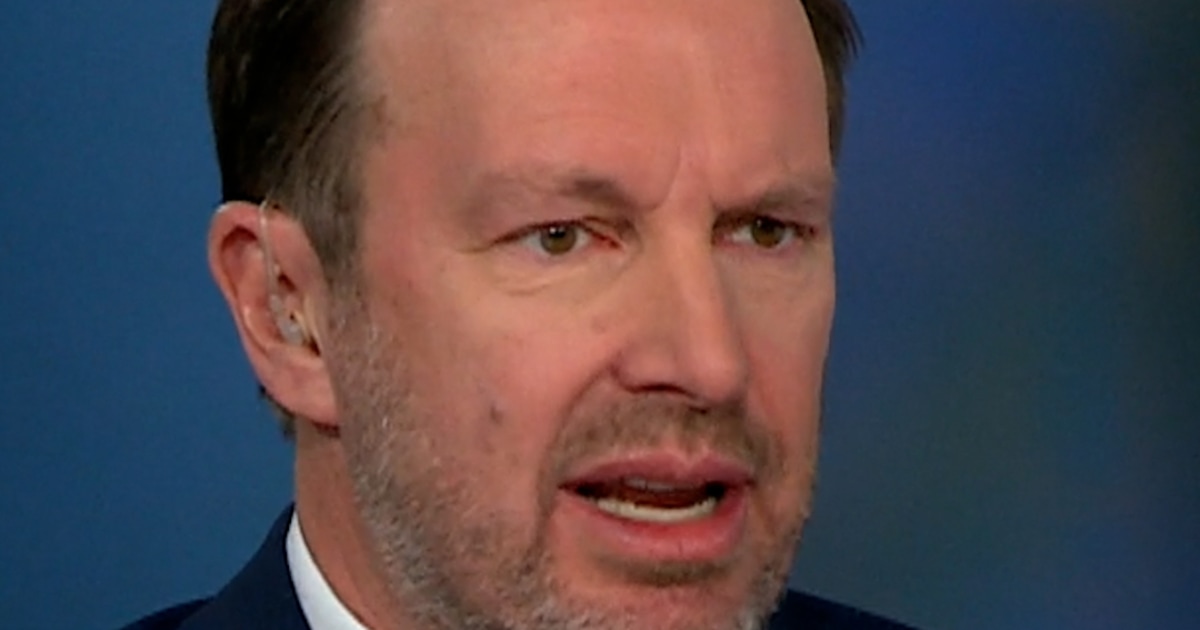
Recently, Senator Chris Murphy, a Democratic representative from Connecticut, raised significant concerns regarding the potential annexation of Greenland. His assertion—”the takeover of Greenland would be the end of NATO”—has ignited discussions about geopolitical stability, international relations, and the future of global alliances. But why does this statement hold weight?
Greenland: A Geopolitical Prize
Greenland, the world’s largest island, is more than just an icy expanse. Its vast resources, strategic location, and proximity to important shipping routes make it a focal point for major global powers. The melting ice caps due to climate change have revealed untapped mineral resources and opened new maritime pathways, increasing the island’s allure. Almost intuitively, several countries, including the United States and China, have shown interest in Greenland, reinforcing its geopolitical significance.
The NATO Perspective
NATO, or the North Atlantic Treaty Organization, is a military alliance established in 1949, primarily aimed at countering Soviet influence in Europe. The alliance between the U.S. and Western European nations was born out of the need for mutual defense. Murphy’s comment suggests that any unprovoked annexation of Greenland could lead to heightened tensions, potentially fracturing NATO’s unity. The fear is that such a move may set a precedent for aggression that could embolden further territorial disputes among member states.
Sen. Murphy’s Warnings
In light of this rising interest in Greenland, Senator Murphy cautioned that an annexation attempt could provoke a larger conflict. He views it as a direct challenge not only to NATO’s collective security agreements but also to the established norms of international law. Furthermore, he reflects concerns regarding U.S. dropouts from international agreements, stressing the importance of maintaining robust alliances in the face of aggressive actions by outside powers.
The Broader Implications
The implications of a Greenland takeover go beyond just NATO. Countries like Russia may feel incentivized to act on their territorial ambitions, thus reshaping power dynamics in the Arctic and beyond. The potential for military escalation increases, putting regional stability into jeopardy.
The Role of China
China’s growing interest in Arctic affairs complicates the situation further. Beijing’s investments in Arctic infrastructure and its pursuit for a foothold in the region challenge not just Western interests but the balance of power within NATO. Murphy’s concerns extend to this aspect too; he warns of a two-pronged threat in which both authoritarian expansion and the disruption of established alliances can lead to a precarious situation.
Public and Political Reactions
The senator’s remarks have resonated across political spectra, inciting a range of reactions. Some political analysts advocate for a stronger diplomatic stance in the Arctic, while others urge caution, fearing that provocative statements may escalate tensions prematurely. The discourse reflects a broader anxieties regarding American foreign policy direction and the maintenance of global order.
Conclusion
In the world of international politics, seemingly small territories can quickly become epicenters for global tension. The situation surrounding Greenland encapsulates not only the strategic calculations of world powers but also the fragile nature of alliances formed during the Cold War, now tested by contemporary ambitions. As discussions continue, one thing remains certain: the stakes are high, and the international community must navigate these waters carefully.