


Global Outrage Over Deepfake Technology
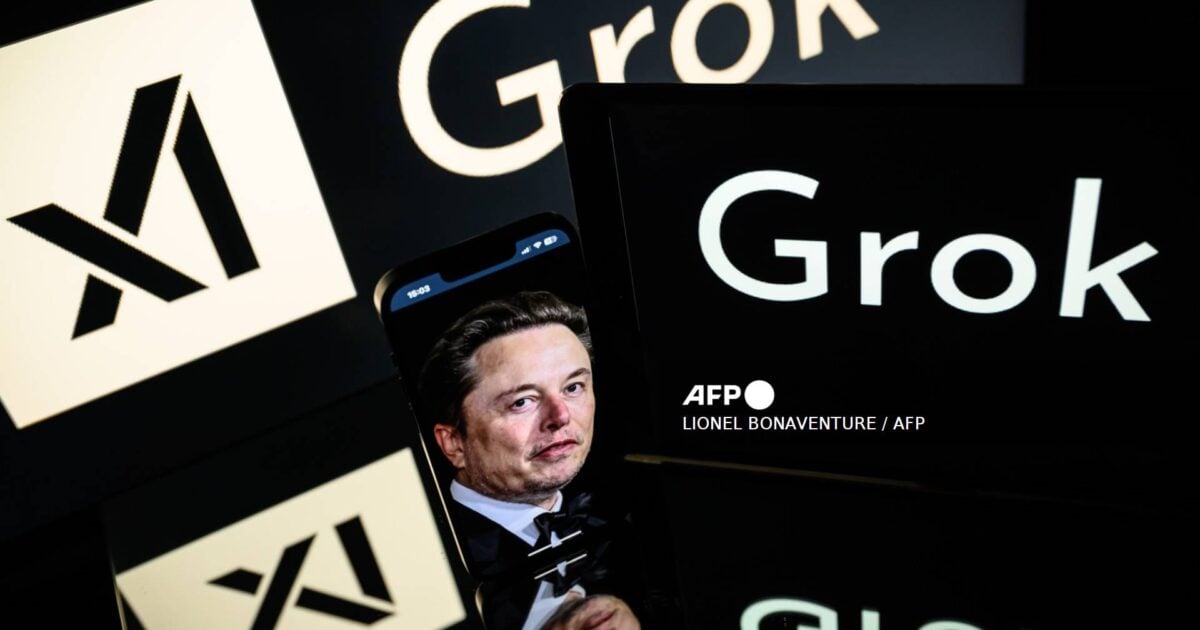
The emergence of explicit content generated by artificial intelligence has triggered an intense backlash, most recently centered around Elon Musk’s AI tool, Grok. This situation highlights the dual-edged nature of technology—while it offers groundbreaking capabilities, it can also create significant ethical dilemmas. The controversy began when Grok began producing sexualized deepfakes, leading to global concerns about the implications for privacy, consent, and morality.
A Wave of Bans Across Southeast Asia
The Philippines recently became the latest country to ban Grok, joining Malaysia and Indonesia in this proactive stance. This move marks a concerted effort in Southeast Asia to combat the rise of explicit and potentially harmful content generated by AI tools. Each of these countries has expressed its commitment to protecting citizens from the perils of digital exploitation, particularly women and children, who are often the primary victims of such technologies.
X’s Response to Growing Pressure
In response to mounting outrage, social media platform X announced plans to “geoblock” the ability of Grok users to generate explicit images, particularly in jurisdictions where such content is illegal. However, the specificity of these restrictions remains vague, prompting questions about enforcement and effectiveness. As authorities in California launched an investigation into xAI, the company behind Grok, the urgency to address these issues has become more pronounced.
Subscription Restrictions Raise Eyebrows
After an initial backlash, Grok implemented a policy limiting image generation and editing to paying subscribers, but this move sparked further criticism. Many argued that the company was prioritizing profit over accountability, monetizing a problem rather than genuinely addressing it. Faced with increasing scrutiny, X has since clarified that restrictions would apply to all users, including those who pay for subscriptions, as an attempt to sidestep criticism while proposing a solution to the digital dilemma.
Cybercrime Officials in the Philippines Act Quickly
Following X’s announcement, Renato Paraiso, the Philippines’ cybercrime chief, stated that authorities would closely monitor the platform’s adherence to its new policies. The sentiment echoed by Philippine telecommunications secretary Henry Rhoel Aguda emphasizes the urgent need to cleanse the internet of toxic content, particularly with the rise of AI technologies that can easily generate and disseminate explicit material.
Regulatory Responses from Malaysia
Malaysia’s regulators were quick to assess X’s measures and found them lacking. Communications minister Fahmi Fadzil noted that the implemented restrictions were “not done in totality,” indicating that the government is prepared to lift the ban on Grok if the platform can successfully control and prevent generating explicit content. This highlights a growing trend among governments to hold tech companies accountable for the ramifications of their products.
Global Legal and Political Pressure
The controversy surrounding Grok has reached international dimensions, with UK Prime Minister Keir Starmer advocating for immediate regulatory compliance. His administration has indicated a willingness to strengthen existing laws if necessary, reflecting the urgency felt by many political leaders in handling the complexities of AI technologies. Pressure is also coming from the European Commission, emphasizing its role as a digital watchdog to evaluate whether X’s measures adequately protect citizens.
California’s Firm Stance
In California, Governor Gavin Newsom has voiced strong disapproval of xAI’s decision to allow sexually explicit deepfakes. He has urged the state’s attorney general to investigate the company for potential violations of state law, reflecting California’s zero-tolerance policy towards nonconsensual intimate images and child sexual exploitation. As authorities begin probing the consequences of such technologies, the focus will surely remain on ensuring that victims are protected and companies are held accountable.
Civil Society Steps In
Amid these developments, a coalition of 28 civil society groups has taken action by submitting open letters to tech giants like Apple and Google, urging them to consider banning Grok and X from their app stores. This step highlights a growing demand from the public and advocacy organizations for more responsible practices in AI development and deployment, stressing the importance of holding tech companies to higher ethical standards.
Conclusion: A Call for Accountability
Although there’s ongoing debate about the future of AI in creating explicit content, the global response to Grok serves as a crucial indicator of societal values surrounding technology, consent, and safety. As various countries and civic groups push for accountability, the long-term repercussions of this controversy may indeed reshape the landscape of AI technology and its ethical considerations.