


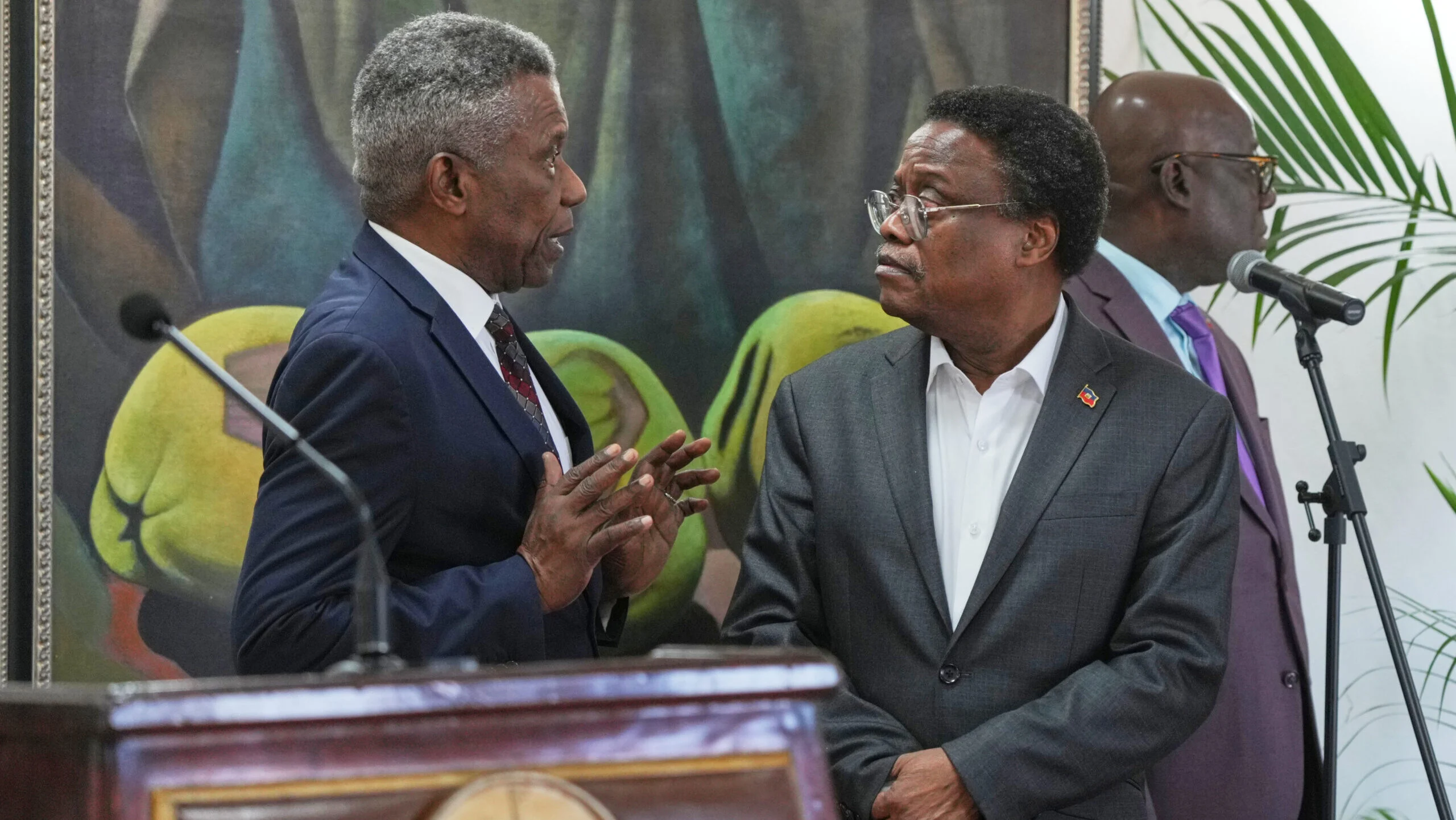
Haiti is on the brink of a significant political transition as its transitional presidential council has recently endorsed an electoral law, paving the way for general elections for the first time in nearly a decade. This move, approved late on a recent Monday, is a crucial step toward re-establishing democratic governance in a country that has been without a fully elected leader since 2016.
### The Importance of the Electoral Law
The approval of the electoral law is more than just a technicality; it’s a promise to the Haitian people that they will soon have the chance to choose their leaders in what is anticipated to be a democratic process. Council President Laurent Saint-Cyr emphasized this sentiment, describing the decision as “a major milestone” for Haiti, underscoring the need for citizens to have the opportunity to select those who govern them freely and responsibly. This acknowledgment reflects a broader commitment to restoring legitimacy and stability in the country.
### Fears of Delayed Elections
Before the law was approved, there were widespread concerns that the transitional council might attempt to delay the electoral timeline to prolong its tenure in power. The fears were fueled by turbulent political dynamics, including pressures and tensions among council members regarding leadership and governance. Despite these worries, the passage of the electoral law signals a shift toward a more transparent and accountable political environment.
### Political Dynamics Within the Council
The transitional presidential council is not without conflict. There are divisions among its members, notably with some pushing for the removal of Prime Minister Alix Didier Fils-Aimé. Figures like Fritz Alphonse Jean, who recently faced U.S. sanctions, have been at the center of these discussions, with speculation that international pressures, such as visa restrictions, are influencing internal politics. The absence of three voting members during the meeting that approved the law, including Jean, raises questions about the council’s cohesion and the influence of external actors.
### A Framework for Elections
Council member Frinel Joseph, who voted in favor of the electoral law, articulated the transformative potential of this legislative framework, calling it “a decisive turning point” in Haiti’s political trajectory. This framework aims to set the stage for a more organized electoral process, as the Provisional Electoral Council has announced plans for the first round of voting in August and the final round by December next year. However, ongoing gang violence remains a significant concern that could jeopardize these timelines.
### The Road to Democracy
The transitional framework is not just a temporary solution; it is expected to culminate in the council stepping down by February 7, handing over authority to a democratically elected government. This transition comes in the wake of severe political instability following the assassination of President Jovenel Moïse in July 2021. Since then, Haiti has been operating without a functioning executive branch, underlining the urgency of establishing a stable government.
### Challenges Ahead
The journey toward elections is fraught with complexities. The resurgence of gang violence poses a dire threat to the proposed electoral timeline and the overall security situation in Haiti. The intermingling of political characters, external pressures, and local governance issues creates a challenging landscape for the Haitian populace as they seek to reclaim democratic freedoms.
Haitians are watching closely as their transitional council makes moves that could potentially alter the course of their future. While the electoral law represents hope and progress, the path remains tenuous, marked by ongoing challenges that require vigilant attention and action. As the citizens stand at the threshold of potentially transformative political changes, the dynamics within this transitional council will significantly influence the nation’s journey back to democracy.