


A Tragic Fire in Hong Kong: The Stories Within
On a fateful Wednesday afternoon, Kan Shui-ying found herself at home in her Hong Kong apartment, seemingly enjoying a quiet day as her husband and son went about their work. However, the tranquil atmosphere was abruptly shattered by a strong, burning odor wafting through the air around 3 p.m. Initially, Kan thought perhaps she was boiling something, prompting her to check.
When she opened her window to investigate, she received a shocking call from a friend informing her that fire had erupted at Wang Fuk Court, the very complex where she lived. Seized by urgency, Kan grabbed her phone and rushed downstairs, unaware of the impending catastrophe. Upon arriving at the scene, she was met with a horrifying sight—the flames were “burning very fiercely,” consuming everything in their path. “I thought I was just coming down to take a quick look,” Kan later reflected, expressing disbelief that what started as a routine day had escalated into such a serious disaster.
The Aftermath of a Devastating Blaze
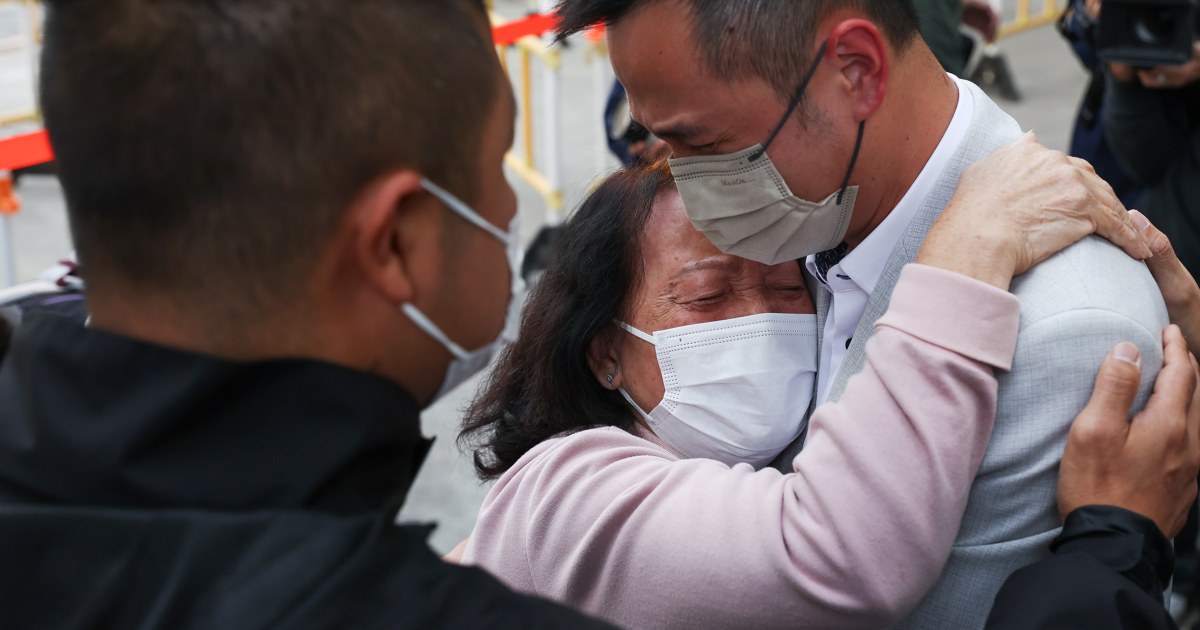
The inferno at Wang Fuk Court, a high-rise housing complex in Hong Kong’s northern Tai Po district, turned out to be the deadliest fire in the territory in seven decades. The tragedy claimed the lives of at least 75 people, with dozens more reported missing. For Kan and her family, the fire was a devastating blow, leaving them and hundreds of other residents homeless and grappling with profound emotional and physical losses.
In the fire’s wake, investigators have begun focusing on the bamboo scaffolding and mesh netting that enveloped the eight towers of the complex. Of the eight towers, seven were engulfed in flames during the incident. The construction materials traditionally used in Hong Kong, known for their lightweight yet sturdy characteristics, have sparked intense scrutiny. Concerns are mounting regarding whether these materials met safety standards, raising questions about their role in the rapid spread of the fire. In light of these events, three individuals from a contractor involved in renovations have been arrested on suspicion of manslaughter.
Bamboo Scaffolding: Tradition Meets Modernity
Bamboo scaffolding is more than just a practical construction solution; it is a cherished tradition rooted deeply in Chinese architectural history. In Hong Kong, where skyscrapers dominate the skyline, these precarious yet effective structures have become synonymous with the city’s identity. They are typically crafted from bound bamboo poles and connected by nylon cords, allowing skilled construction workers—often referred to as “spidermen”—to scale the heights of towering buildings with astonishing ease.
This unique scaffolding style is not without its risks. Often adorned with colorful mesh safety nets to prevent debris from falling onto pedestrians below, the reliance on bamboo poses significant safety concerns, particularly as the city continues to grow and modernize. The recent tragedy has underscored these risks, prompting Hong Kong’s top leader, John Lee, to announce plans for discussions with industry representatives about gradually replacing bamboo scaffolding with metal alternatives.
A Call for Change
In the wake of this calamity, the city’s Development Bureau has begun exploring ways to improve construction safety standards. While bamboo scaffolding has long been celebrated for its agility and efficiency, the fire at Wang Fuk Court has ignited a crucial conversation about safety in construction practices. As the visibility of these discussions increases, the hope is that such tragedies can be prevented in the future.
The implications of this fire extend far beyond the immediate devastation felt by victims like Kan and her family. For a bustling metropolis like Hong Kong, where dense populations coexist with soaring skyscrapers, the intersection of tradition and modern safety standards has never been more critical. As the community begins to process the trauma of this event, there is a collective urgency to enact change that prioritizes the safety and well-being of all its residents.