


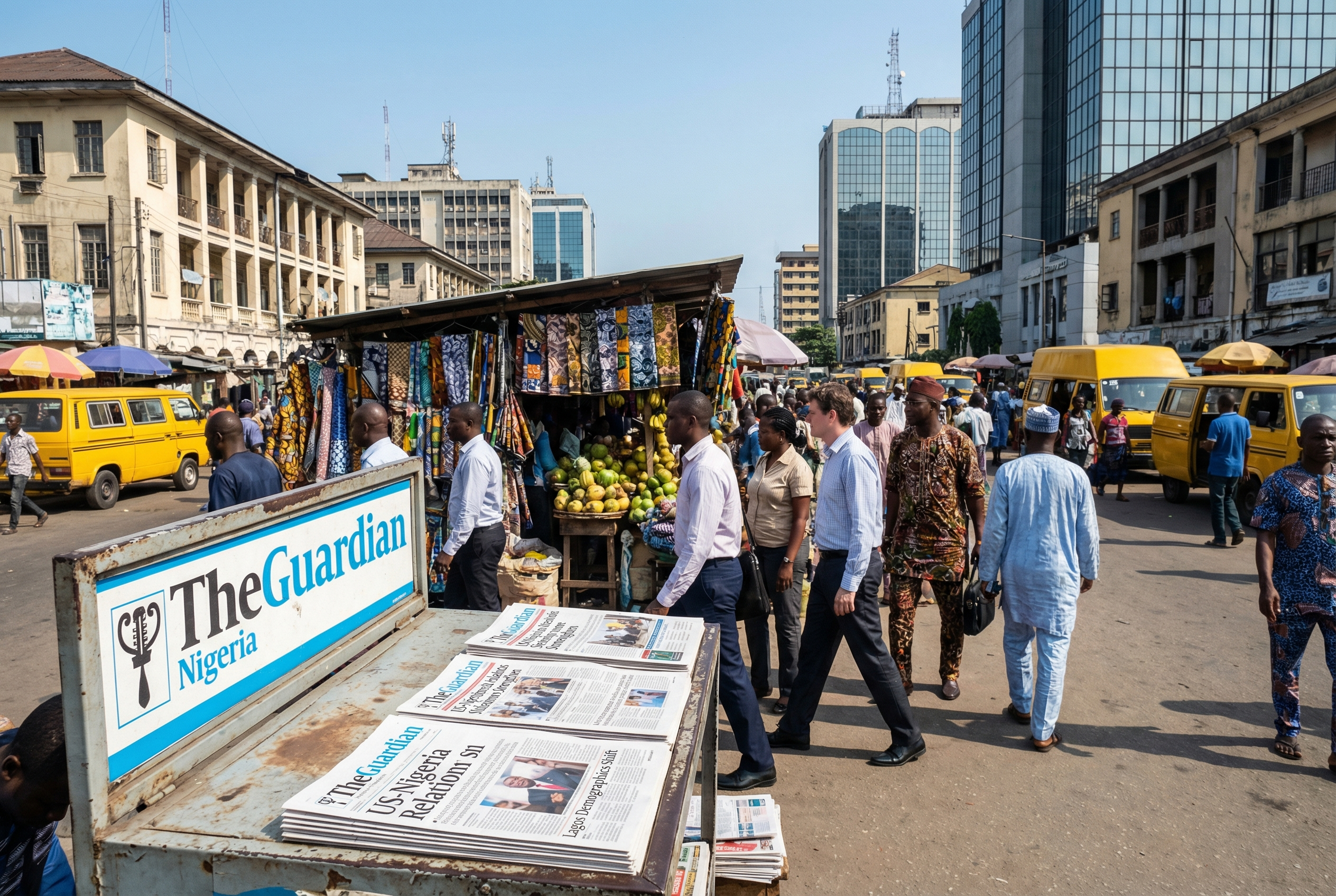
Welcome, friend! I’m delighted you’re here asking about Americans living in Nigeria. This inquiry reflects a significant topic I’ve followed closely over the years, exploring the evolving migration patterns between continents. This article encapsulates months of research on reverse migration trends and years of documenting the fascinating relationship between Nigeria and the United States.
The number of Americans in Nigeria might surprise you with its complexity. According to the latest estimates from the Nigerians in Diaspora Commission, while Nigeria tracks over 17 million citizens abroad, the flow of Americans to Nigeria is relatively modest yet growing. Current figures suggest that approximately 10,000 to 25,000 American citizens reside in Nigeria at any given time, fluctuating significantly due to economic conditions, security concerns, and employment opportunities in sectors such as oil, telecommunications, and international development.
Here’s what makes this number difficult to specify: Unlike Nigeria’s meticulous tracking of its diaspora, there isn’t a centralized database for American residents. We rely on estimates from US Embassy consular registration data, work permit applications processed by Nigerian immigration, and corporate human resources records from multinational companies.
How Many US Citizens Currently Live in Nigeria?
The American community in Nigeria is considerably smaller than one might expect, given the robust economic ties between the two nations. The most reliable estimates place the number between 10,000 and 25,000 American citizens currently living in Nigeria, with the highest concentrations in Lagos and Abuja. Most of these individuals are not your typical expat retirees; they are working professionals primarily in specialized sectors.
A petroleum engineer I interviewed in Port Harcourt humorously remarked about the size of the American community: “We’re a tight-knit group because we’re relatively few. Everyone knows everyone, especially in the oil sector.”
The demographic swings align with Nigeria’s economic fortunes and shifts in the security landscape. For instance, during the peak of Nigeria’s oil boom in the late 2000s, the American population surged. However, a significant economic downturn in 2015, paired with security concerns, led many Americans to relocate; numbers have been gradually recovering as Nigeria’s economy stabilizes and attracts foreign investment.
In stark contrast, over 600,000 Nigerian-born individuals lived in America according to US Census Bureau data from 2020, making Nigerians one of the most educated and successful African immigrant groups in the United States. This asymmetry highlights the prevailing narratives surrounding economic opportunities, educational access, and quality of life considerations.
American Sectors and Employment Patterns in Nigeria
Here’s a breakdown of the sectors where Americans typically find employment:
| Sector | Estimated Americans | Primary Locations | Average Tenure | Key Employers |
|---|---|---|---|---|
| Oil & Gas | 4,000-8,000 | Lagos, Port Harcourt, Warri | 2-4 years | Chevron, ExxonMobil, Shell |
| US Government/Embassy | 800-1,200 | Abuja, Lagos | 2-3 years | State Department, USAID |
| International Development | 1,500-2,500 | Abuja, Kano, Jos | 1-3 years | USAID contractors, NGOs |
| Technology & Telecommunications | 800-1,500 | Lagos, Abuja | 2-5 years | Tech startups, Andela |
| Education & Academia | 600-1,000 | Lagos, Ibadan, Abuja | 3-7 years | Universities, American schools |
| Finance & Banking | 500-1,000 | Lagos, Abuja | 3-5 years | Citibank, international firms |
| Healthcare & Medical | 300-600 | Lagos, Abuja, Jos | 2-4 years | Mission hospitals, NGOs |
| Other/Retired/Business | 2,000-4,000 | Various | Variable | Self-employed, small business |
The oil and gas sector remains the largest American employer in Nigeria, constituting roughly 40 percent of the American population within the country. These roles generally attract highly skilled engineers, geologists, and senior management personnel, who often live in secured compounds.
Can a US Citizen Legally Live in Nigeria?
Yes, and the process can be more straightforward than many Americans initially assume. US citizens can live in Nigeria through a few legal pathways, with varying requirements and benefits. Throughout my years guiding Americans, I’ve found that while there is bureaucracy involved, it is manageable with proper planning.
The Standard Temporary Work Permit is the most common route, requiring a Nigerian company to sponsor your employment. The employer must demonstrate that your skills aren’t readily available in Nigeria’s labor market, but in practice, this requirement is often waived for senior technical roles. This permit lasts for two years and can be renewed.
For Americans of Nigerian heritage, gaining permanent residency becomes significantly easier. The National Identity Management Commission offers services to help individuals of Nigerian descent secure their National Identification Number, a gateway to various residency options.
7 Essential Steps to Relocating to Nigeria as an American
Based on conversations with Americans who have successfully made the move, here are the practical steps involved:
- Secure Employment Before Departure: It’s advisable to have a confirmed job offer with a registered Nigerian company willing to sponsor your work permit. Most successful Americans arrange their employment 3-6 months in advance, allowing their employer to handle much of the visa paperwork.
- Obtain the Proper Visa Type: You must apply for a Subject to Regularisation (STR) visa at the nearest Nigerian consulate. This temporary visa allows you to enter Nigeria while your work permit processes. Required documents include your job offer letter, a valid passport, passport photographs, and proof of yellow fever vaccination.
- Register with the US Embassy Upon Arrival: Enroll in the Smart Traveler Enrollment Program (STEP) within your first week in Nigeria. This registration proves essential during emergencies, security alerts, or evacuation recommendations.
- Convert Your Work Permit Through Nigerian Immigration: Your employer will submit applications to the Nigerian Immigration Service on your behalf, but you’ll need to attend biometric appointments and provide necessary documents.
- Secure Appropriate Housing in Safe Neighborhoods: Expatriate communities in Nigeria often prefer specific neighborhoods, particularly in Lagos and Abuja, known for their safety and amenities. Use reputable estate agents and always visit properties in person if possible.
- Open a Nigerian Bank Account: Most Americans favor banks that facilitate smooth international transfers and provide English-speaking customer service. You’ll need various documents, including proof of address and employment, but don’t expect American-style banking convenience.
- Adapt Your Health Insurance: It’s crucial to have comprehensive international health insurance, as the public healthcare system in Nigeria may not meet American standards. Private hospitals in major cities provide better care and often have English-speaking staff.
Successful living in Nigeria requires mental flexibility and patience with systems that may differ from what you’re used to. Those Americans who thrive are usually those who embrace these differences instead of resisting them.
Which US State Has the Most Nigerian Immigrants?
Understanding the Nigerian diaspora provides valuable context for the reverse flow. Texas houses the largest population of Nigerian immigrants in the United States, with approximately 70,000 to 90,000, according to recent US Census Bureau analysis. Maryland follows with 65,000 to 75,000, and New York, California, and Georgia each host 40,000 to 60,000 Nigerian-born residents.
This geographic concentration correlates with economic activity, particularly Houston’s energy sector, which attracts Nigerian petroleum engineers. A pattern emerges where one immigrant’s arrival leads to others, creating tight-knit communities with cultural institutions, restaurants, and churches.
The Texas-Nigeria connection is robust enough that several Nigerian state governments maintain informal trade offices in Houston, recognizing the economic bridge created by the diaspora. When Americans relocate to Nigeria, they often find social advantages due to previously living in Texas or other states with significant Nigerian communities.
How Americans Experience Daily Life in Nigeria
Life in Nigeria defies the clichéd narratives often found in Western media. For most Americans in Lagos, a megacity of 25 million, daily experiences are characterized by a vibrant hustle culture, not dissimilar to what you’d find in New York.
Your quality of life in Nigeria largely depends on your economic situation. Americans employed by multinationals frequently reside in secured compounds equipped with generators and 24-hour security. Household staff is common, which some Americans find culturally unfamiliar at first but often come to appreciate.
What surprises many Americans is the unfailing warmth and hospitality of Nigerians. Colleagues frequently invite expatriates to family gatherings. The entrepreneurial spirit in Nigeria is palpable; everyone seems to be spinning ideas into businesses or looking for new opportunities.
However, challenges persist. Corruption seeps into daily interactions, police checkpoints often involve “dash” (small bribes), and bureaucratic inefficiencies can prove exhausting. Infrastructure remains a pain point, with frequent power cuts and traffic turning short commutes into maddening experiences. Security consciousness becomes part of daily life; avoiding certain neighborhoods and being discreet are essential.
What Percentage of Nigerian-Americans Return to Nigeria?
This aspect makes for an intriguing demographic exploration. Research tracked by the Nigerians in Diaspora Commission suggests that approximately 2 to 5 percent of Nigerian-Americans return to Nigeria, translating to 15,000 to 30,000 individuals forming a meaningful returnee community.
The return pattern generally follows life stages. First-generation Nigerians who emigrated for education often return in their 50s and 60s after building financial stability. They bring invaluable skills and networks back to Nigeria. In contrast, second-generation Nigerian-Americans show lower return rates but may maintain dual residency, spending extended periods in Nigeria while keeping a base in the U.S.
Motivations for returning often revolve around family obligations and business opportunities. Some returnees seek to manage family properties or care for aging parents, while others are drawn to Nigeria’s entrepreneurial landscape, recognizing gaps that align with their international experience.
Understanding the Unique Position of Americans in Nigeria
Americans in Nigeria have a distinctive place in the expatriate hierarchy. Unlike British expatriates burdened by colonial legacies or Chinese nationals facing criticisms due to specific financial practices, Americans generally enjoy positive perceptions rooted in cultural familiarity from music and film. The Nigerian entertainment sphere is heavily influenced by American culture, fostering a natural affinity.
Professional Americans tend to earn considerably higher salaries than local professionals, although the gap is narrowing as Nigerian wages rise. While an American petroleum engineer might make between $150,000 to $250,000 annually, similarly qualified Nigerians are increasingly commanding salaries around $80,000 to $150,000.
Language generally isn’t a barrier as English is Nigeria’s official language, though local dialects may require some adjustment. Many Americans find that understanding rapid, dialect-influenced English takes time.
One American friend aptly summarized the experience: “Nigeria frustrates you and enchants you simultaneously. You’ll curse the traffic while laughing at something ridiculous; feel annoyed by bureaucracy, yet be moved by someone’s kindness.”
Future Trends in American-Nigerian Migration
Looking ahead, several factors indicate that the American population in Nigeria may grow modestly over the next decade. Efforts toward economic diversification are attracting American technology firms, effectively positioning Lagos as an emerging tech hub in Africa. Companies like Andela and Flutterwave have begun employing American talent.
The shift towards renewable energy could present opportunities as Nigeria moves away from heavy reliance on oil. American expertise in solar, wind, and battery technologies is becoming increasingly valuable. Over the last three years, several American renewable energy firms have established Nigerian operations.
The normalization of remote work could drive an additional trend. Americans who secured remote positions during the pandemic might choose to live in Nigeria while keeping their US salaries, thus enjoying a cost-of-living arbitrage.
However, security concerns remain a significant barrier to growth. Travel advisories from the State Department, although often viewed as overly cautious, influence how corporations deploy staff. Additionally, major security incidents frequently lead multinational companies to reassess their American workforce presence.
Why the Diaspora Connection Matters
The presence of Americans in Nigeria transcends mere numbers. These individuals act as cultural bridges, enhancing business relationships and fostering educational partnerships that go beyond traditional diplomacy. Each American successfully residing in Nigeria challenges negative stereotypes, illustrating the nation’s potential.
To Americans contemplating a move, I always emphasize realistic expectations. Nigeria will test your patience and challenge your assumptions but will reward you with warmth, creativity, and cultural richness unlike any found in the U.S. The key to succeeding is to embrace Nigeria on its own terms, rather than trying to impose American norms.
For Nigerians reading this, it’s essential to recognize the cultural adjustments Americans make while contributing significantly to the economy. Each expatriate—be it a petroleum engineer or a teacher—has chosen to navigate the complexities of life in Nigeria, often in pursuit of opportunities not available elsewhere.
The relationship between America and Nigeria, borne out of these personal connections, will shape the trajectories of both countries in profound ways. With Nigeria projected to be the world’s third most populous nation by 2050, understanding and nurturing these dynamics is increasingly vital.
Making the Nigeria-America Connection Work
In wrapping up this detailed exploration, I want to highlight that the inquiry regarding how many Americans live in Nigeria is secondary to understanding their roles and the insights these relationships offer about our interconnected world. Every American sending reports from Lagos to Houston creates vital links that strengthen bonds across continents.
Having spent years documenting Nigeria’s economic landscape and the families steering its business, I’m convinced that Nigeria’s ability to attract and retain global talent—Americans included—will be pivotal to its progress. Conversely, America’s evolving relationship with this burgeoning economic powerhouse will be significantly shaped through these human connections.
For anyone interested in the dynamics of migration, this exploration into the ongoing flow provides essential insights into globalization and intercultural exchange. The numbers tell part of the story; however, the rich human experiences behind those numbers reveal the intricate narrative of our shared lives.
Key Takeaways
- Current estimates suggest 10,000 to 25,000 Americans live in Nigeria, primarily in Lagos and Abuja, with the oil and gas, government, and international development sectors employing most of them.
- Legal residence requires appropriate work permits and visas, with Americans needing employer sponsorship, yet the procedure is manageable with proper planning and realistic expectations about Nigerian bureaucracy.
- The diaspora connection works both ways, with Nigerian-Americans in key states forming cultural and economic bridges that facilitate American migration to Nigeria while maintaining strong trans-Atlantic networks.
Frequently Asked Questions About Americans Living in Nigeria
How many Americans live in Nigeria currently?
Current estimates place the American resident population in Nigeria between 10,000 and 25,000 individuals, though precise figures remain elusive since Nigeria doesn’t maintain a centralized registry of foreign residents by nationality. Most reside in Lagos and Abuja, working primarily in oil and gas, international development, technology, and education sectors.
Can Americans live in Nigeria permanently?
Yes, Americans can obtain permanent residency in Nigeria through multiple channels, including continuous residence, marriage to a Nigerian citizen, or demonstrating Nigerian ancestry. The Combined Expatriate Residence Permit and Alien Card (CERPAC) serves as documentation for long-term foreign residents.
Is Nigeria safe for American citizens to live in?
Safety in Nigeria varies dramatically by location and individual lifestyle. Major cities like Lagos and Abuja have secure neighborhoods where thousands of expatriates live safely with sensible precautions such as secured housing and awareness of high-risk areas. Rural areas and some northern states face more significant security challenges.
How much does it cost for an American to live in Nigeria?
Americans in Nigeria typically spend ₦2 million to ₦8 million monthly based on lifestyle choices and family size. This includes rent, schooling for children, household staff, security, transportation, food, and utilities.
Do Americans need a visa to enter Nigeria?
Yes, American citizens are required to obtain visas from Nigerian embassies or consulates in the United States before traveling. Tourist visas allow stays between 7 to 90 days, while work-related entries necessitate Subject to Regularisation (STR) visas.
What jobs do Americans typically have in Nigeria?
The petroleum industry employs the largest number of Americans, comprising about 40 percent of the American community, followed by roles within the US government, international development, technology, education, and finance sectors.
How does healthcare work for Americans living in Nigeria?
Americans almost universally maintain comprehensive international health insurance covering Nigerian private hospitals and potential medical evacuation. Nigerian public healthcare does not meet American expectations, yet private hospitals in major cities can provide adequate care.
Can Americans buy property in Nigeria?
Yes, though with restrictions. Foreigners can purchase most properties, with some states imposing limitations or requiring special approvals. Many Americans prefer leasing due to the risks involved.
What are the biggest challenges Americans face in Nigeria?
Challenges include infrastructure limitations, bureaucratic inefficiencies, security concerns, and cultural adjustments. Many American residents find themselves navigating these realities as part of their daily lives.
How do Americans get around in Nigeria?
Most Americans opt to hire personal drivers rather than self-driving due to the chaotic driving conditions and security risks. Companies often provide vehicles and drivers for expatriate staff, while self-funding residents budget for vehicle-related expenses.
What’s the tax situation for Americans working in Nigeria?
Americans face dual taxation obligations, needing to pay Nigerian income tax while filing US tax returns on worldwide income. The US-Nigeria tax treaty and Foreign Earned Income Exclusion can mitigate double taxation, but many Americans engage tax professionals for assistance.
Why would an American choose to live in Nigeria?
Americans typically relocate for lucrative job prospects in sectors like oil and gas, to reconnect with Nigerian heritage, or to engage in international development work, offering them enriching growth opportunities unavailable elsewhere.