


The Complex Legacy of the Kentucky Derby: A Look at Race and Tradition
The Kentucky Derby, held annually in May, is not just a horse race; it’s a vibrant spectacle steeped in history and tradition. Often dubbed “the most exciting two minutes in sports,” this prestigious event has become synonymous with extravagant fashion—think massive hats, flashy clothing, and an elite guest list. However, the Derby is also marked by a complicated legacy intertwined with race, particularly the historical involvement of Black jockeys.
A Glorious Past
In its early years, the Derby was dominated by Black jockeys, who won an impressive 15 of the first 28 races. These athletes were not just competitors; they were pioneers in a sport that would later become increasingly segregated. The influence of Jim Crow laws and systemic racism effectively pushed many Black jockeys out of the sport, leading to a dramatic shift in the demographics of horse racing. This historical erasure has often overshadowed the achievements of these early champions.
Modern Perceptions and Experiences
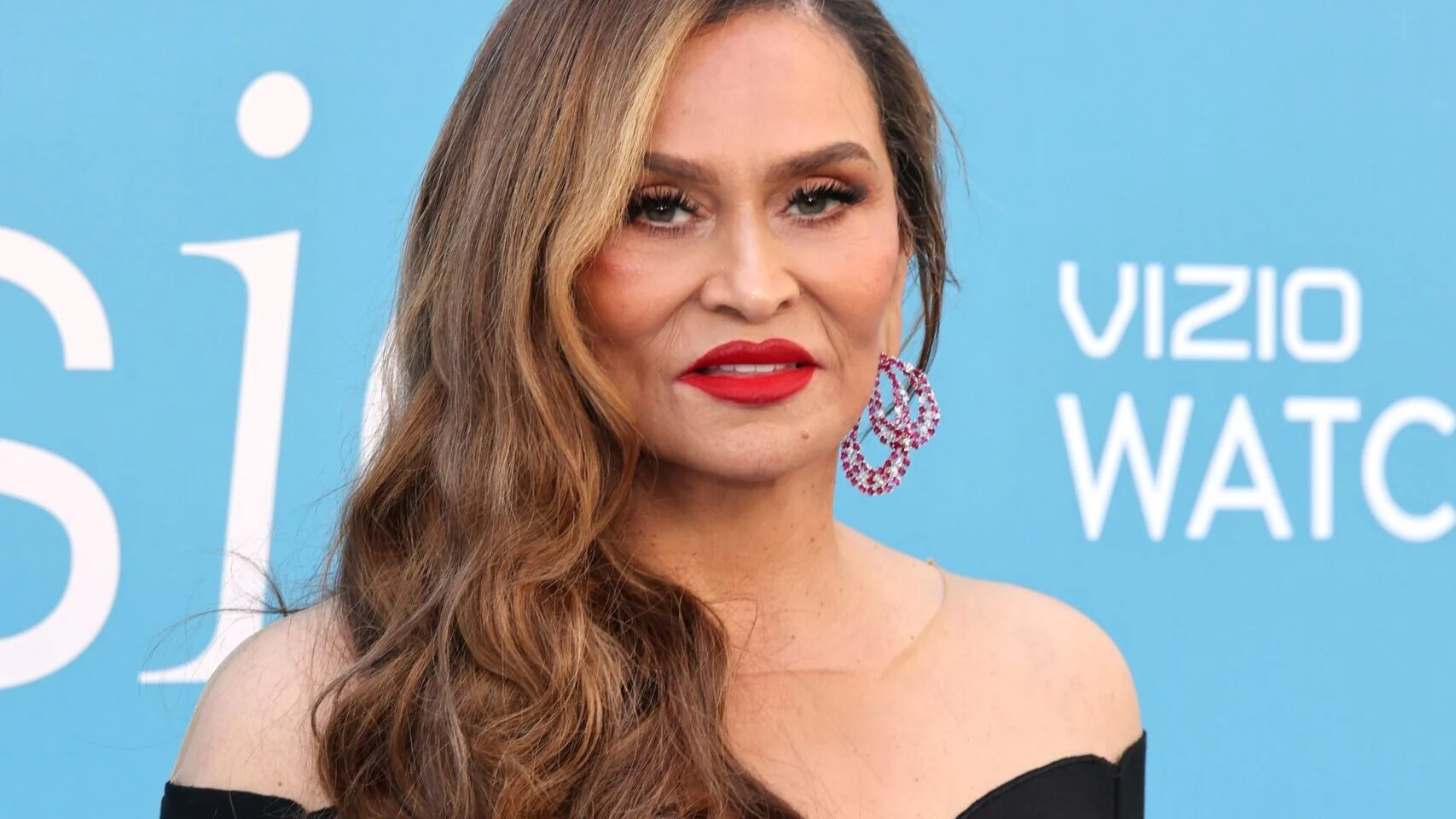
Despite its glamorous exterior, the Kentucky Derby continues to harbor issues of racial inequality and exclusivity. Tina Knowles, known for her work as a designer and for being Beyoncé’s mother, recently shared her own experiences attending the Derby in 2024. In a new documentary titled “High Horse: The Black Cowboy,” she recounts a troubling incident where she was pushed aside on the red carpet to allow a white couple to go ahead of her.
“It was a very big wake-up call for me to attend the Kentucky Derby and to see this closed-off culture,” Knowles recalls, emphasizing the blatant racism that can still pervade such an illustrious event. This anecdote serves as a reminder that beneath the surface glamour, racial tensions can linger.
Reflections on Culture and Appropriation
In the same documentary, Knowles highlights a broader issue regarding the ownership of cultural narratives. While her daughter Beyoncé’s Grammy-winning album “Cowboy Carter” received criticism for supposedly appropriating country music, Knowles argues that this backlash stems from a misunderstanding of the genre’s roots. “No, you rewrote the history,” she asserts in response to critics, insisting that reclaiming these historical narratives is an essential step in straightening out a skewed story.
This discussion opens the door to a larger conversation about how cultural contributions from Black artists have often been sidelined or misrepresented, particularly in genres like country music, where Black influences are profound yet frequently overlooked.
“High Horse: The Black Cowboy”
Scheduled for streaming on Peacock, “High Horse” aims to delve into the lasting impact of Black culture on Western and Southern traditions, including but not limited to the Kentucky Derby. Produced by Jordan Peele’s Monkeypaw Productions, the documentary seeks to reclaim the overlooked contributions made by Black individuals in these spaces. It emphasizes the importance of acknowledging history in all its complexities, reminding viewers that the narrative of American culture is richer and more diverse than often presented.
Continued Challenges
As discussions about race and representation continue to evolve, events like the Kentucky Derby serve as critical touchpoints. They highlight the need for ongoing conversations about inclusion and equity. Knowles’s experiences remind us that even the most celebrated events are not immune to the pervasive issues of racism and bias.
This layered understanding can help pave the way for a more inclusive future—one where the contributions of all cultures are celebrated in full, allowing the Kentucky Derby and similar institutions to acknowledge their histories while moving forward collectively.