


Trump’s Conversations with Putin: The Controversial Discussions on Ukraine and Military Strategy
In a recent diplomatic escalation, former President Donald Trump revealed that his discussions with Russian President Vladimir Putin included the controversial topic of Tomahawk missiles during a so-called “very productive” call. This information adds another layer of complexity to the ongoing war in Ukraine, raising crucial questions about U.S. foreign policy and military support.
The Context of the Call
Trump’s discussions with Putin took place amid growing tensions between Russia and Ukraine. The former president hinted that the strategic deployment of Tomahawks was a topic of serious consideration. These cruise missiles, known for their precision, have the potential to significantly enhance Ukraine’s military capabilities against Russian forces. Trump’s comments were made during an interview, where he described the nature of the call as constructive, despite the contentious backdrop.
Trump’s Shocking Conversation with Zelensky
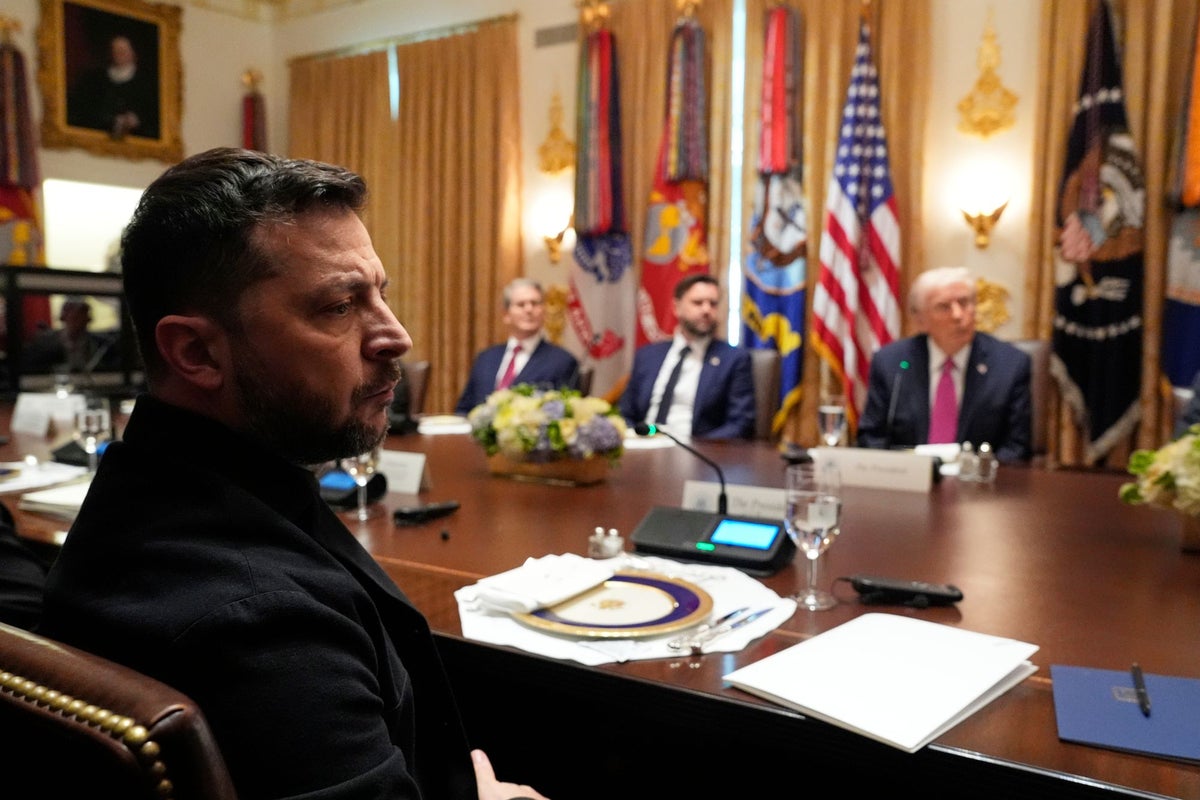
In a related event, Trump’s interaction with Ukrainian President Volodymyr Zelensky escalated into a tense meeting characterized as a “shouting match.” Reports suggest that Trump boldly urged Zelensky to accept Russia’s terms—specifically, surrendering the eastern Donbas region—to avoid further destruction. Analysts noted that Trump reiterated points made by Putin during his earlier call, reflecting a possible alignment with the Russian president’s strategy.
The Implications for Ukraine
Zelensky’s decision to seek a meeting of the “Coalition of the Willing” illustrates the stark contrast between his administration’s stance and Trump’s suggested concessions. After returning from Washington, Zelensky called on international allies not to appease Russia, emphasizing the need for unity against aggression. The Coalition, comprising over 30 nations committed to supporting Ukraine, symbolizes a collective effort to resist Russian advances and uphold Ukrainian sovereignty.
Expert Opinions on Military Aid
Experts are divided on the implications of Trump’s discussions on military support for Ukraine. Max Bergmann from the Center for Strategic and International Studies posits that Putin’s outreach seems designed to dissuade the U.S. from transferring military assets, specifically Tomahawks, to Ukraine. Meanwhile, Mykola Bielieskov, a military analyst in Ukraine, stated that while Tomahawks could level the playing field in favor of Ukraine, they would not be a magical solution. “It’s about pressure, constant pressure,” he explained, highlighting the strategic necessity of these weapon systems.
The Shift in Trump’s Stance
Trump’s narrative surrounding the war has undergone notable shifts. Initially, he expressed strong opposition to Russian actions. However, he later suggested that territorial concessions would be inevitable in any peace agreement, claiming that “he’s won certain property.” Such remarks have garnered criticism, with many questioning the moral and ethical implications of endorsing territorial losses for Ukraine.
Public and Political Response
Trump’s approach has sparked significant debate within the U.S. political landscape. His inconsistent stance raises questions about his administration’s strategies and priorities. While Trump claims a commitment to Ukraine, the suggestion that it may need to relinquish land to Russia undermines the sovereignty that many allies are advocating to protect. Furthermore, Trump’s assertion that the U.S. can’t deplete its armament stockpile to support Ukraine reflects broader concerns regarding military preparedness.
Conclusion
The dynamics of Trump’s conversations with both Zelensky and Putin underscore a complex web of geopolitical strategy. As the world watches, the intertwining of military discussions and diplomatic negotiations continues to shape the trajectory of the Ukraine conflict. The implications of the U.S. stance, coupled with Trump’s often unpredictable rhetoric, remain pivotal as global leaders navigate this evolving crisis.