


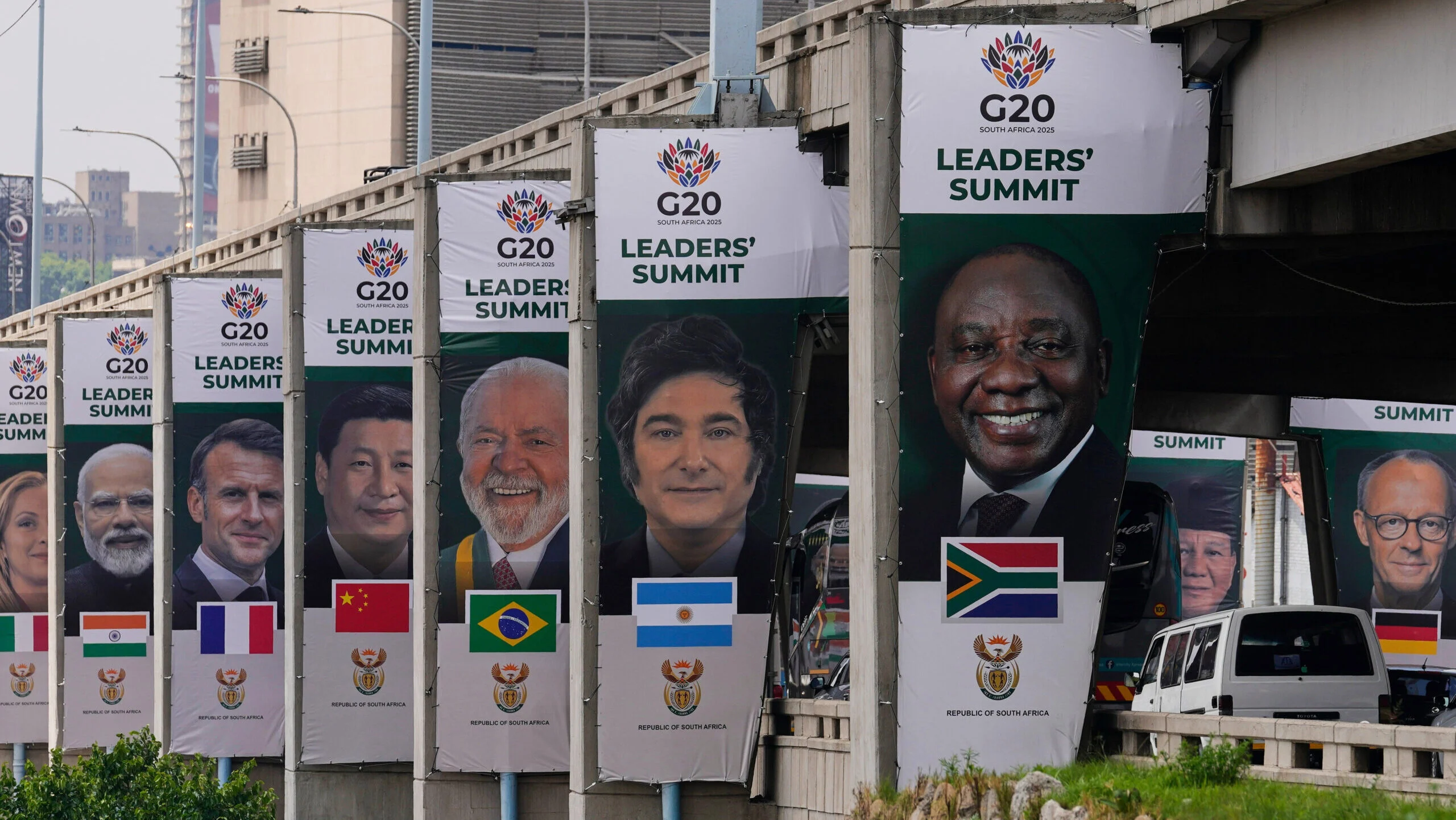
Historic G20 Summit in Africa: Navigating Global Tensions
A Landmark Arrival
World leaders gathered this past Friday in Johannesburg for a momentous first Group of 20 summit on the African continent. With an agenda aimed at elevating the issues faced by developing nations, this summit is not just about economics; it symbolizes a commitment to reshaping global priorities. However, the discussions have been muddied by significant divisions, most notably the boycott by the United States, which has branded South Africa’s hosting as a “disgrace.”
U.S. Absence and Its Implications
The absence of the United States—an original G20 member—casts a long shadow over the summit. President Donald Trump’s decision to boycott the talks hinges on allegations that South Africa is discriminating against its white Afrikaner population. This dispute has not only created diplomatic tension but threatens to undermine the focus of the summit, which seeks to address critical global challenges such as climate change, public debt, and growing inequality.
South Africa’s Agenda
Host nation South Africa is keen to steer the discussions toward pressing issues in the developing world. President Cyril Ramaphosa emphasizes the pivotal role of climate change and debt burdens in the global south. The leader has been vocal about his desire not to be pressured by the U.S., asserting, “We will not be bullied.” This sentiment underlines South Africa’s determination to carve a space for its agenda, even in the absence of a U.S. delegation.
The U.S. Position and Aftermath
The diplomatic tensions between South Africa and the U.S. escalated further as South African officials voiced concerns that Washington was attempting to influence the summit’s outcomes. In response, Ramaphosa reiterated, “Their absence is their loss.” This bold statement encapsulates South Africa’s resolve to ensure its voice resonates on the global stage, despite friction with a major power.
A Diverse Construct of Nations
The G20, now comprising 21 members, unites the world’s wealthiest nations along with key developing economies. This diversity aims to create a balanced platform that addresses global economic challenges. The summit typically attracts leaders of international institutions, with U.N. Secretary-General António Guterres expected to join the discussions, emphasizing the summit’s global significance.
Partnerships on the Horizon
While the U.S. boycott raises concerns, other leaders are actively seeking collaborative ventures. German Chancellor Friedrich Merz has expressed optimism about finding common ground in Johannesburg, highlighting the eagerness of African nations for new partnerships, especially in trade, following recent U.S. tariffs. Similarly, the European Union is leveraging this summit to strengthen ties with South Africa, announcing a new agreement centered around critical minerals vital for technological advancements.
The Missing Giants: China and Russia
Trump isn’t the only major figure absent from the discussions; Chinese leader Xi Jinping has also opted out, reflecting a broader trend of reduced international travel among top officials. Additionally, Russian President Vladimir Putin is sidelined due to an International Criminal Court arrest warrant, creating a unique dynamic in which the U.S. remains the only major G20 nation not represented.
Shifting Influences
Despite the U.S. withdrawal, both China and Russia have sent delegations, indicating their commitment to global engagement. Chinese Premier Li Qiang’s visit to Africa during the summit aligns with China’s strategy to solidify its influence on the continent, particularly concerning critical minerals. Many analysts interpret the U.S. absence as a catalyst for developing countries to bolster ties with alternative partners, particularly China, a notion that resonates within academic and diplomatic circles.
A New Era of Leadership?
Some experts argue that the U.S. boycott might inadvertently lead to a more diverse leadership framework in global governance. Narnia Bohler-Muller, a researcher in international law and democracy, notes that such developments could prompt nations to seek collaborative arrangements outside traditional power structures.
The impending discussions at the G20 summit will not only mark a historical occasion for South Africa but could also signify a pivotal shift in the landscape of global cooperation amidst rising tensions and changing alliances.