


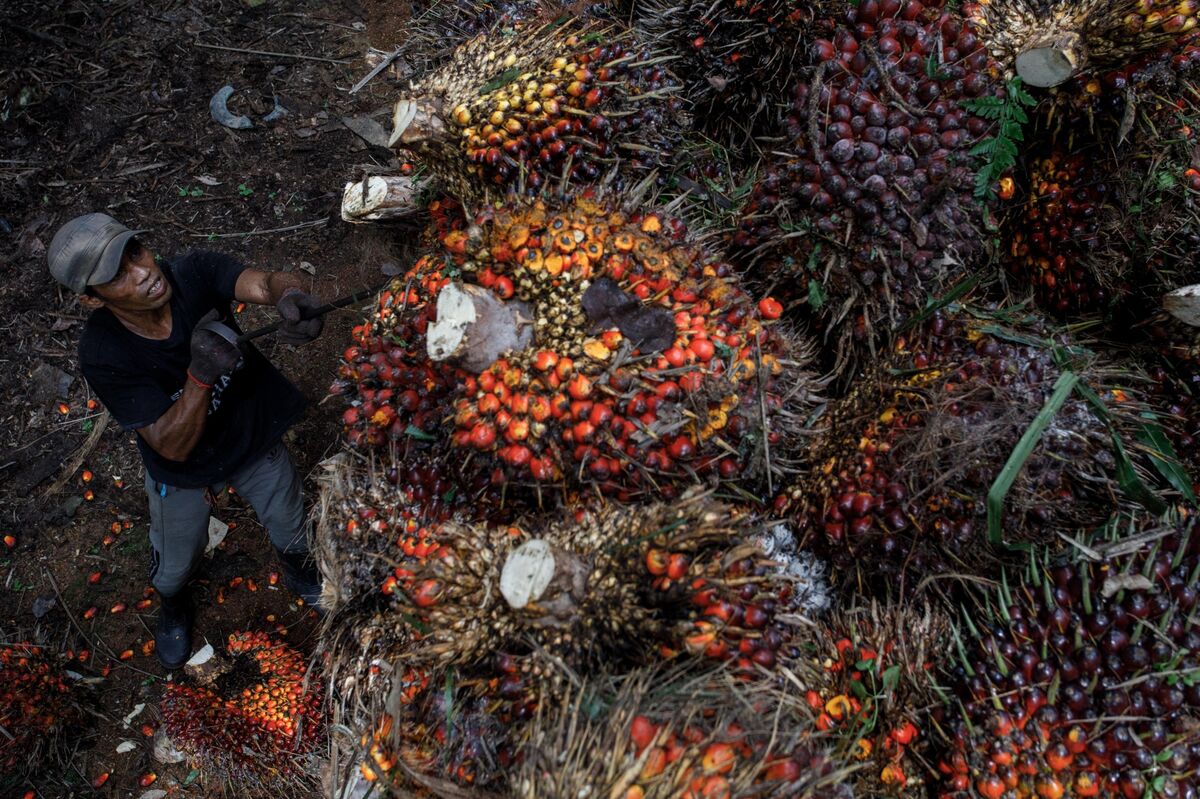
Understanding the Surge in Palm Oil Stockpiles in Malaysia
In a significant development for the palm oil industry, stockpiles in Malaysia have reached their highest levels in over six years. This surge coincides with a notable drop in exports during November, raising questions about the implications for both local producers and the global market.
The Current State of Palm Oil Production
Malaysia is one of the world’s leading producers of palm oil, accounting for a substantial portion of global supply. Palm oil is a versatile ingredient, used not only in food products but also in cosmetics, biofuels, and various industrial applications. However, the recent data indicates that production insights must be re-evaluated with the increasing stockpiles.
A Decline in Exports
In November, export figures for Malaysian palm oil showed a marked decline. The drop in exports is attributed to several factors, including weak global demand and stiff competition from other palm oil-producing nations. Market fluctuations often depend on geopolitics, trade relations, and shifts in consumer preferences. For instance, some countries are increasingly seeking sustainable and environmentally friendly alternatives to traditional palm oil, affecting demand dynamics.
Factors Influencing Stockpile Growth
The increasing stockpiles can be largely linked to two main factors: production levels and export challenges. If production remains steady while exports decline, stockpiles inevitably grow. Additionally, the cyclical nature of palm oil production—marked by seasonal harvests—also plays a role. During peak production seasons, stock levels can swell, particularly if there is insufficient demand to absorb the surplus.
Implications for Farmers and Producers
The spike in stockpiles may have dire implications for Malaysian farmers and producers. With higher inventory levels, the pressure on prices increases, potentially leading to lower profits for growers. Many smallholder farmers depend heavily on palm oil for their livelihoods, and fluctuating prices can have a ripple effect on their economic stability. Furthermore, prolonged periods of high stock and low demand may discourage new investments in the sector.
The Global Impact of Malaysian Palm Oil
Malaysia’s stockpile situation has broader implications for the global market. As one of the primary suppliers, any significant shake-up in Malaysian production or export levels can influence global prices and availability. Neighboring countries, such as Indonesia, are also key players in the palm oil market, further complicating the landscape. With both countries competing for market share, shifts in one can cause cascading effects in the other.
Sustainability Concerns
The rise in stockpiles comes at a time when sustainability in palm oil production is under intense scrutiny. Organizations and consumers alike are increasingly favoring palm oil that is certified sustainable. This shift is not only due to environmental concerns but also because of a growing awareness of the social implications linked to palm oil cultivation, such as deforestation and labor rights. Brands that rely on palm oil are facing mounting pressure to demonstrate their commitment to sustainable practices.
Market Predictions and Future Prospects
Market analysts are closely observing these trends, searching for indicators that could suggest whether this surge in stockpiles is a blip or a more prolonged issue. The volatile nature of the palm oil market means that forecasts can change rapidly based on various factors, including changes in environmental policies, competition from alternative oils, and evolving consumer preferences.
Conclusion
The recent developments in Malaysia’s palm oil stockpiles symbolize a significant moment in the complex interplay of agricultural production, market dynamics, and sustainability concerns. As stakeholders navigate this evolving landscape, understanding the interconnected factors that influence production, exports, and global demand will be crucial. The coming months will be pivotal in determining the trajectory of Malaysia’s palm oil industry and its role in the global market.