


The Dual Dilemma of College Football Coaches in the CFP Era
Coaching Under Pressure: A Delicate Balance
As the College Football Playoff (CFP) intensifies, the landscape of college football coaching becomes increasingly complex. Coaches find themselves juggling the responsibilities of leading a team in high-stakes playoff games while simultaneously transitioning to new positions at different universities. This precarious situation offers a behind-the-scenes look at the hectic lives of coaches like Collin Klein, who was only nine days into his tenure as head coach at Kansas State while preparing Texas A&M for a crucial CFP match-up against Miami.
Collin Klein’s Unusual Reality
Collin Klein’s transition emphasizes a unique dilemma: the tremendous responsibility of crafting a game plan for a top-tier program while trying to embrace a role he has long desired. “The difference of hats is pretty stark,” Klein said, encapsulating the dissonance that many coaches face during this hectic period. This tension is not just about the physical demands but also the mental toll that comes with switching gears so rapidly. The ability to focus solely on the present task can be cumbersome when there are competing responsibilities vying for attention.
The Coaching Carousel: Timing is Everything
The timing of the CFP coinciding with the football coaching carousel has created numerous high-pressure scenarios. Klein is not alone. Other head coaches like Jon Sumrall from Tulane and Bob Chesney of James Madison accepted jobs elsewhere while their teams were still in the playoff running. Such decisions show that while these coaches may aim to seize new opportunities, their commitment to their current programs remains paramount.
Balancing Roles: A Challenge for Coordinators
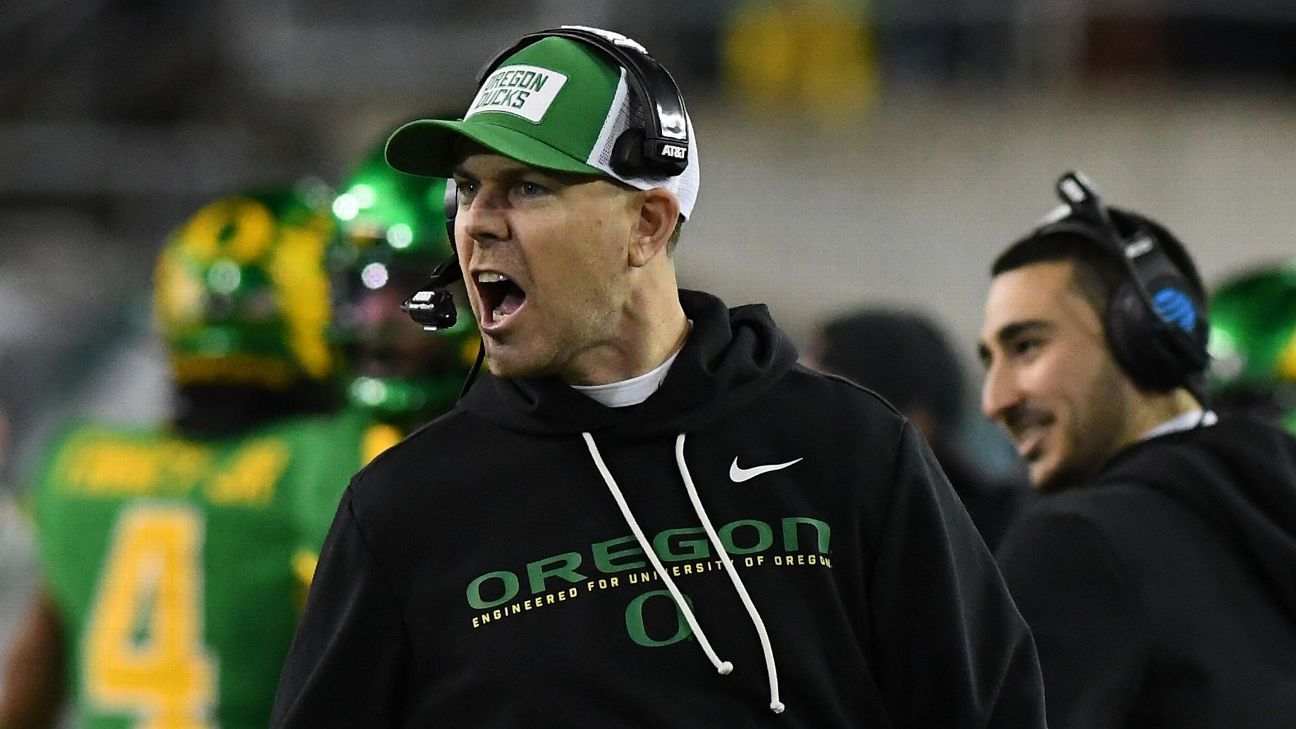
The case for coordinators entering new head coaching roles is equally challenging. Will Stein at Oregon and Tosh Lupoi, also at Oregon but soon to be the head coach at California, find themselves in a stressful balancing act. They must fulfill their responsibilities while facing the uncertainties that come with the transfer portal and recruiting, all while focusing on their current playoff games. “It’s not easy,” Stein admitted, highlighting the emotional and organizational energy required to manage dual commitments.
Rituals of Focus: Strategies for Survival
In navigating this stressful landscape, many coaches adopt strict routines to maintain their focus. Lupoi, for instance, places his phone out of reach during game preparation to stay lock-in. “The only way to do it is to focus exclusively on what’s in front of you,” he remarked. This strategy is crucial not just for personal success, but also for the teams counting on these coaches during critical moments.
The Push and Pull of Loyalty
Loyalty runs deep within college football. Coaches often cite their commitment to current players and programs as a significant factor in choosing to stay through the playoffs. Klein’s situation illustrates this sentiment perfectly; leaving Texas A&M during a pivotal playoff run would feel insincere. Stein echoed this sentiment when he stated, “Over my dead body would I ever leave the individuals here,” reflecting the emotional investment coaches have in their teams.
Historical Context: Lessons from the Past
This isn’t the first time the coaching carousel has collided with the CFP. Former Alabama coaches have navigated similar dual responsibilities, often with mixed results. The challenges faced by coaches like Lane Kiffin and Jeremy Pruitt illustrate that while some successfully juggled duties and contributed to championships, others struggled. These historical precedents serve as lessons for current coaches trying to find a balance between immediate commitments and future endeavors.
The Role of Communication
Effective communication is crucial during these tumultuous transitions. Coaches must communicate both with their current teams and incoming recruits. Klein, for instance, spent the week leading up to the Miami game quickly getting to know Kansas State’s roster. This vital process underscores the importance of building trust and rapport while managing existing obligations.
Future Implications: The Growing Influence of the CFP
As the CFP continues to evolve, the implications for coaching responsibilities will likely grow more complex. Coaches will need to consider the intricacies of this dual-role phenomenon and how it impacts both their careers and teams. The decision-making processes involved, in terms of balancing commitments and navigating the stressful environment of playoff football, will define the future landscape of college football coaching.
Conclusion: The Uncertainty of Tomorrow
The whirlwind nature of college football coaching comes with a specific set of expectations and pressures, particularly during playoff season. Coaches like Klein, Stein, and Lupoi face immense challenges, but they also embody the spirit of resilience and loyalty that defines college football. As the playoff unfolds, their stories highlight the intricate web of commitment, strategy, and emotional investment that comes with the territory. The future remains uncertain, but one thing is clear: the dual-role phenomenon is reshaping the landscape of college football coaching in profound ways.