


Maryland’s Path Toward Reparations: A Legislative Shift
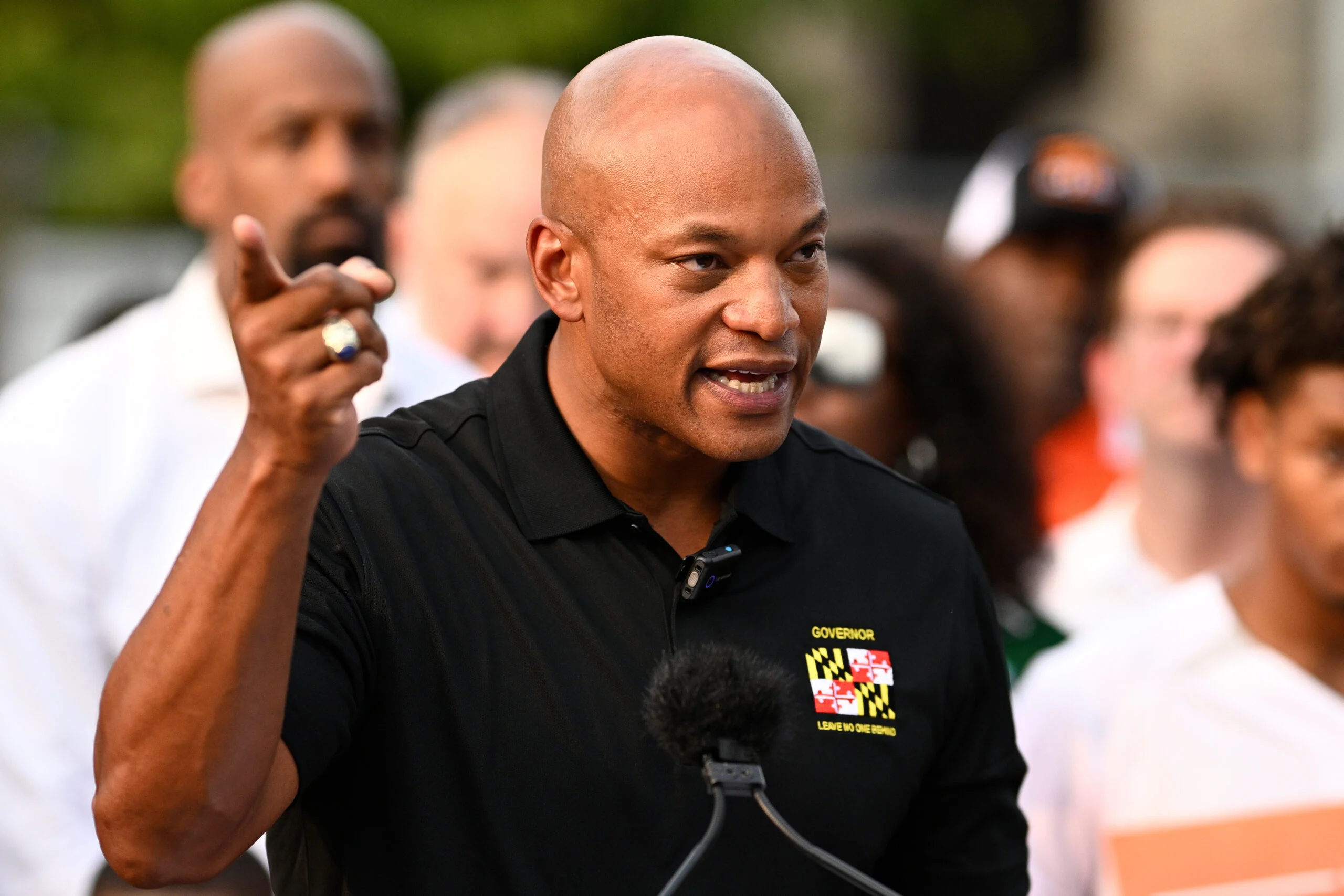
An important legislative milestone was reached in Maryland as lawmakers voted to create a commission aimed at studying potential reparations for slavery, overriding a veto from Governor Wes Moore. This decision marks a significant moment not just in Maryland’s political landscape but in the broader national conversation surrounding reparations for the African American community.
The Veto and Its Fallout
Governor Moore, the only Black governor in the United States, expressed his profound disappointment when he vetoed the bill in May. In his veto letter, he acknowledged the complexity of the decision, noting that while the Legislative Black Caucus had prioritized this initiative, he felt that enough studies had been conducted regarding the legacy of slavery. Moore emphasized that the focus should shift from examining the problem to implementing actionable solutions. Many supporters of the bill felt let down by this stance, believing that additional study was essential for legitimizing the concept of reparations in the eyes of skeptics.
Legislative Momentum
Despite Moore’s veto, the Democratic-controlled Maryland General Assembly remained steadfast in their commitment to pursue the issue. They articulated a clear rationale for their decision: any meaningful action on reparations would require a thorough formal study to avoid being dismissed as merely symbolic or unconstitutional. State Senator Charles Sydnor, a Democrat, highlighted the importance of providing a comprehensive examination that could guide future reparative actions.
Moore’s Response to the Override
Following the override of his veto, Governor Moore expressed a willingness to collaborate constructively, despite his disagreement with the legislature’s decision. He recognized the urgency of addressing the legacy of slavery, indicating that the time for action has indeed arrived. In his statement, Moore reinforced the need for a united effort in addressing the historical inequities faced by communities that have been marginalized for generations.
What Reparations Could Look Like
The bill outlining potential reparations includes a diverse array of initiatives. These range from official statements of apology to various forms of compensation such as monetary payments, property tax rebates, social service assistance, and even down payment assistance for homes. Additionally, the proposal covers business incentives, childcare support, debt forgiveness, and tuition waivers for higher education. The comprehensive nature of these reparative measures reflects Maryland’s commitment to addressing systemic injustices.
Contextualizing the Movement
Support for reparations has gained significant traction in recent years, particularly following the murder of George Floyd in 2020. The Black Lives Matter movement drew increased attention to issues of racial inequality and the lasting impact of historical injustices. However, the topic remains contentious, particularly among high-profile Democrats, who grapple with balancing political interests amid a conservative backlash against discussions of race and inequality.
Legislative Positions on Reparations
Within Maryland’s Legislative Black Caucus, there is a strong consensus about the necessity of reparations, especially in times of escalating attacks against diversity and equity initiatives. They view the commission’s establishment as a reaffirmation of their commitment to accountability and truthful dialogue about the state’s racial history.
Comparisons with Other States
Maryland is not alone in contemplating reparations. California and New York City have taken significant steps in addressing reparations as well. Governor Gavin Newsom of California has signed legislation to study reparations for descendants of enslaved individuals, although his recent vetoes on additional reparative measures have drawn criticism. Meanwhile, New York City lawmakers approved a bill to investigate the city’s historical role in slavery and to consider reparations.
In Evanston, Illinois, a city made headlines by becoming the first in the U.S. to create a reparations plan funded through marijuana tax revenues. These efforts underscore a growing recognition of the need to confront historical wrongs, though public sentiment remains uncertain. A 2021 Pew Research survey revealed that only 30% of Americans supported reparations, illustrating the challenges proponents still face.
Future Legislative Concerns
During this pivotal period, Maryland lawmakers also addressed other pressing issues, but notably did not take up congressional redistricting in their recent special session. Moore has shown interest in pursuing new congressional maps when the legislative assembly reconvenes, adding another layer of complexity to the state’s political landscape.
Overall, the emergence of a commission to study reparations in Maryland signifies a vital step forward in acknowledging and addressing the enduring impacts of slavery. As discussions unfold, the state joins a broader national dialogue that seeks to confront historical injustices head-on, aiming for meaningful change in the pursuit of equity and justice for communities that have long been overlooked.