


Understanding “Slop”: The Word of the Year for 2025
In a world brimming with digital content, the term “slop” has emerged as a defining descriptor for modern society’s struggles with information quality. According to Merriam-Webster, “slop” has been named the Word of the Year for 2025, reflecting the growing concerns surrounding generative artificial intelligence and the proliferation of low-quality, misleading content across the internet.
The Evolution of the Term “Slop”
Historically, the word “slop” originated in the 1700s, referring to soft mud. Over time, its meaning expanded to encompass items of little value or substance. In today’s context, Merriam-Webster defines “slop” as “digital content of low quality that is produced usually in quantity by means of artificial intelligence.” This definition encapsulates the vast range of material inundating our feeds, from bizarre videos to questionable deepfakes and poorly constructed digital narratives.
The Rise of Generative AI and Misinformation
The recent upsurge in AI-driven content creation tools, such as Sora, has made it easier than ever for users to generate realistic video clips and images based on simple text prompts. This capability, while impressive, brings with it a host of ethical dilemmas and concerns about misinformation, particularly when it comes to the manipulation of images featuring celebrities or public figures. For instance, Defense Secretary Pete Hegseth recently shared a doctored image of a beloved children’s cartoon character, illustrating how such content can be weaponized for political purposes.
The Auditory Imagery of “Slop”
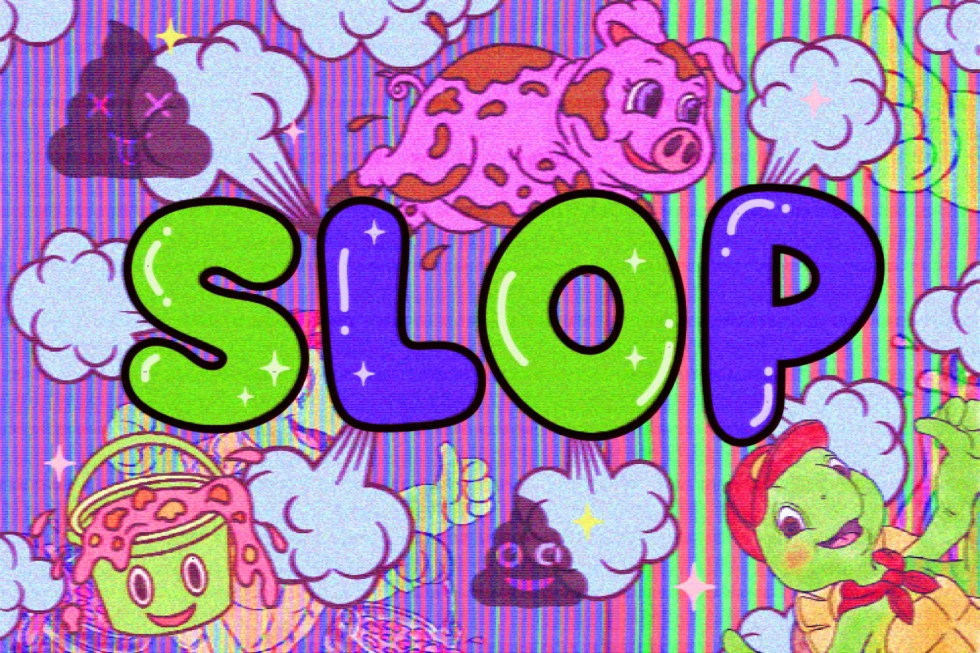
When one hears the term “slop,” it conjures vivid images—mud-caked pigs crowding around a filthy trough or a bucket of unappetizing stew. This visceral imagery is emblematic of the term’s connotation: it embodies the messy, chaotic, and often unpleasant nature of heavily algorithm-driven digital media.
Growing Awareness and Demand for Authenticity
Despite the often-negative implications of “slop,” Greg Barlow, president of Merriam-Webster, views the term as a beacon of hope. The sharp increase in searches for “slop” suggests a societal longing for authenticity amidst the overwhelming cacophony of subpar content. Barlow notes that people are actively seeking genuine experiences and narratives, indicating a potential backlash against the superficiality of AI-generated media.
The Process Behind Word Selection
Merriam-Webster’s process for selecting the Word of the Year involves a comprehensive review of search data and contextual relevance. Editors aim to reflect not just popular trends but also the overarching societal dynamics encapsulated by the chosen word. The aim is to serve as a linguistic mirror, portraying the zeitgeist in real time.
Other Notable Words of 2025
While “slop” takes center stage, it’s accompanied by several other words that have captured the public’s imagination. Terms like “performative,” often used to critique insincere or superficial online personas, and “gerrymander,” reflecting ongoing political maneuvering in the U.S., highlight the rich tapestry of language evolving in reaction to current events.
Digital Detox: The Rise of “Touch Grass”
One of the more relatable phrases to gain traction is “touch grass,” which encourages individuals to engage more meaningfully with the real world. This term resonates particularly in an era of digital immersion, where many aspire to reclaim balance by stepping away from their screens.
An Exploration of “Conclave” and its Historical Significance
The term “conclave,” which refers to the deeply rooted tradition of electing a pope, has seen a resurgence in searches, especially following the election of the first American pope, Leo XIV, in 2025. This highlights how specific events can prompt a spike in interest in certain words, blending the realms of history, culture, and language.
Tariffs: A Complex Economic Term
In addition to creative and cultural expressions, economic vocabulary continues to evolve. The term “tariff” has garnered attention, particularly in the context of the ongoing discussions around trade wars and their implications for American industry.
The Whimsical Lake Name: Lake Chargoggagoggmanchauggagoggchaubunagungamaugg
Finally, an unusual contender, the name of a Massachusetts lake, has intrigued many and finds itself among the top word searches. Its length and complexity offer a lighthearted reminder of the beauty and eccentricities of language, further enriching the conversation around the fluidity and vibrancy of communication today.
Each of these terms, alongside “slop,” serves a unique role in capturing the essence of our present-day language—reflecting not only our challenges but also our creativity and aspirations.