


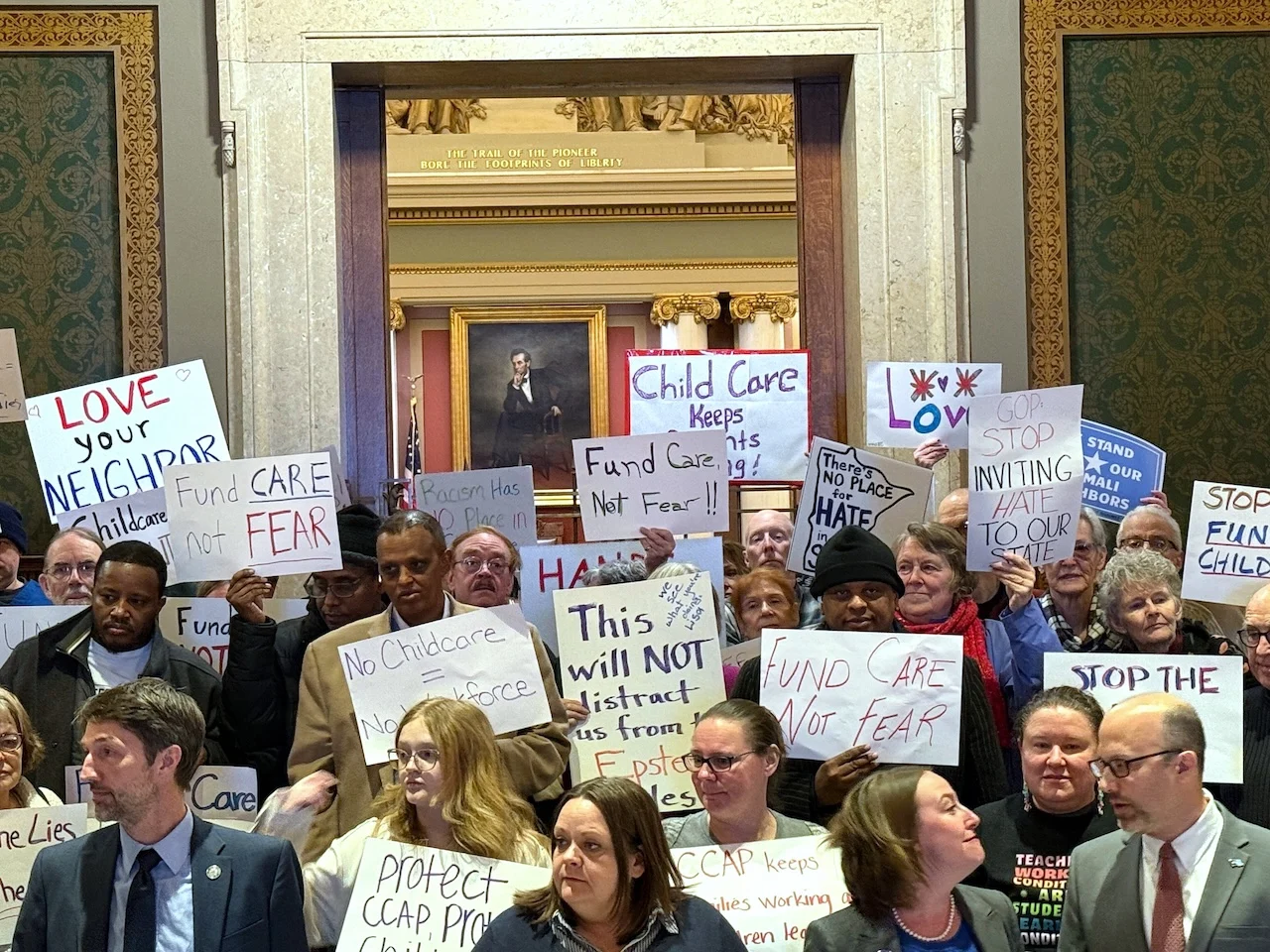
Minnesota’s Child Care Funding Under Scrutiny
Minnesota officials are racing against the clock to gather and submit requested information on providers and parents benefitting from federal child care funds following allegations of fraud. With a deadline set for January 9, the stakes could not be higher: failure to comply may result in the loss of federal funding, which has a profound impact on families relying on these resources.
Federal Demand for Accountability
The urgency stems from an announcement made by the Trump administration, which recently imposed a freeze on child care funds to Minnesota and other states. This decision follows a series of fraud cases associated with government programs, many of which involve individuals from the state’s sizable Somali community. Allegations gained traction after a right-wing influencer posted a video claiming discrepancies within the state’s child care system, effectively putting Minnesota in the administration’s crosshairs.
In response, Minnesota’s Department of Children, Youth, and Families (DCYF) has communicated the necessity for detailed records concerning child care fund recipients. An email shared with providers indicated that the state has to compile data—which includes identifying information of recipients and details about alleged fraud networks—before the approaching deadline.
State Assessments Find No Issues
In what likely serves to counteract the allegations, state officials conducted spot checks on nine child care centers. The inspections, prompted by the influencer’s video, revealed that most centers were operating without issues, reinforcing the argument that the majority of these facilities are functioning appropriately.
However, it’s important to note that one center was not yet in operation during the inspections, while ongoing investigations continue at four other centers. This duality of compliance and investigation highlights the complexity of the situation.
Understanding the Impacts
State officials have emphasized that child care providers and families should continue adhering to regular licensing and certification protocols. The DCYF’s communication reassured recipients that they need not take further action at this time. This approach is critical as an unstable funding environment could disrupt the essential services many families depend on.
Maria Snider, director of a child care center in St. Paul and vice president of the Minnesota Child Care Association, has expressed concern over the potential ramifications of the funding freeze. With many centers already operating on thin margins, a disruption in income could have cascading effects on families who rely on assistance.
Growing Political Tensions
The controversy surrounding child care funding in Minnesota reflects broader political tensions. The U.S. House Committee on Oversight and Government Reform plans to hold hearings to discuss these allegations, underscoring the gravity of the situation. Since the announcement of the fraud hotline by the Administration for Children and Families, over 200 tips have been received, indicative of heightened scrutiny on the system.
Critics argue that the Trump administration’s focus on Minnesota might be politically motivated, especially given the state’s significant Somali population, which has faced intensified scrutiny and immigration enforcement actions in the past.
The Financial Framework
The financial framework surrounding child care assistance is substantial; Minnesota receives approximately $185 million annually from the federal government. About 23,000 children and 12,000 families utilize these funds each month, making the implications of a funding freeze profound.
The pressure is now on Minnesota officials, who have received a letter from the Department of Health and Human Services (HHS) requesting detailed data about child care providers, including specifics about the funds disbursed and oversight mechanisms in place. As they prepare their response, state officials have communicated uncertainty about the full extent of the federal government’s demands.
Navigating Forward
As January 9 looms, Minnesota officials are tasked with unraveling the intricate web of allegations, compliance measures, and potential implications of funding delays. This multifaceted situation not only highlights the challenges within the child care system in Minnesota but also reflects a larger narrative about the intersection of politics, community, and essential social services. Whether the state will successfully uphold its funding remains to be seen, but the ripple effects on families and communities are already becoming evident.