


Wrigley Field’s Wind: A Hitter’s Nightmare and Pitcher’s Paradise
The Changing Winds of Wrigley Field
When you think of Wrigley Field, you might conjure up images of historic home runs and summer nights filled with the crack of bats. However, recent seasons have seen a notable shift in the weather dynamics surrounding this iconic ballpark. Home runs that used to soar over the ivy-covered walls now often die on the warning track, leaving players and fans scratching their heads.
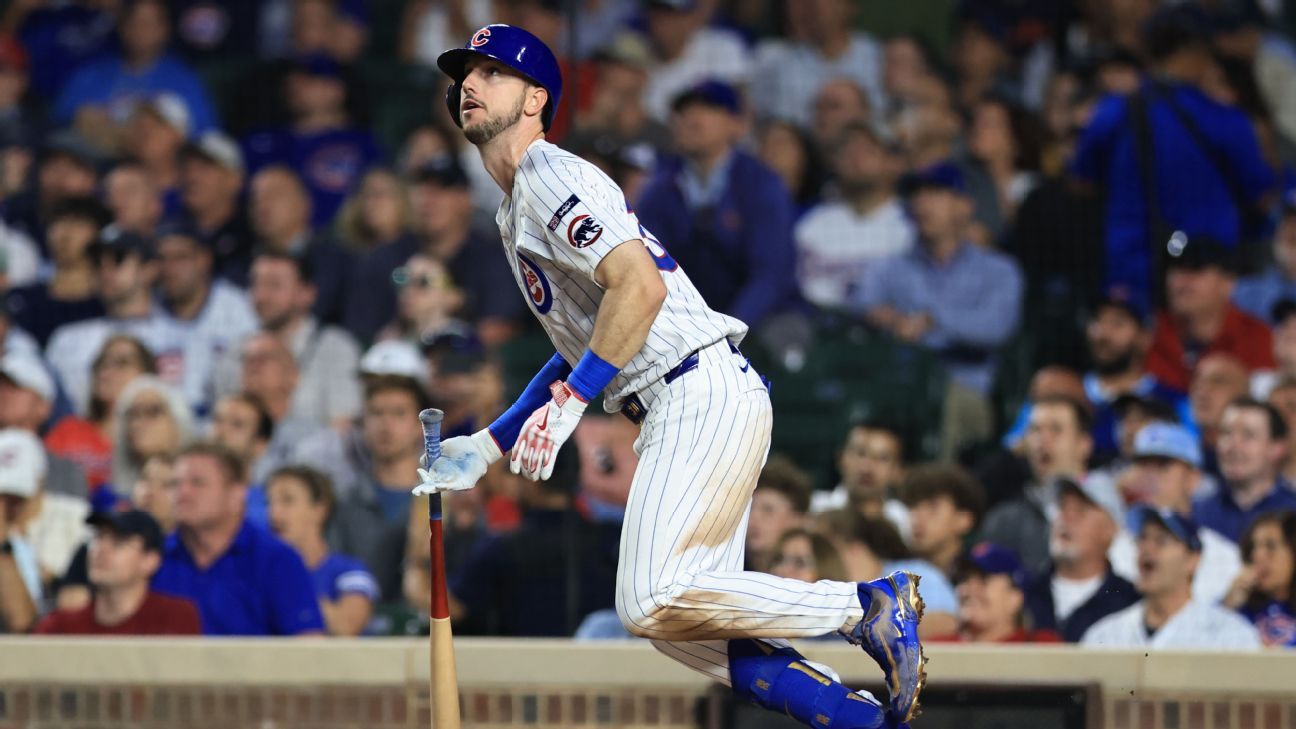
This change in the wind patterns is a pressing concern for hitters like Kyle Tucker of the Chicago Cubs. On April 7, a well-hit ball off Tucker’s bat was met with disappointment as it was snagged by Adolis Garcia in right field, despite clocking in at an impressive 104.6 mph. Wind conditions that day featured a 17 mph breeze blowing in from the outfield, and Tucker’s experience has been echoed broadly by others in the league.
A New Challenge for Hitters
As the season unfolded, it became increasingly apparent that many hitters were facing similar frustrations. In 81 games played at Wrigley this season, observers noted that the wind blew in during 51 of them. Historically known for its power-friendly conditions, Wrigley Field has become a challenging venue for power hitters, especially during the summer months.
Veteran Cubs outfielder Ian Happ shared insights into these changes, remarking, “The last two years, it’s blown in, in the summer,” breaking from the traditional patterns he experienced earlier in his career. Dan Kiermaier, the team’s head groundskeeper, confirmed this trend, expressing bewilderment over the unpredictable wind dynamics that have shifted in recent seasons. No one can pinpoint a reason for this phenomenon, adding an extra layer of uncertainty to every game.
Adjusting Approaches and Mindsets
For players, confronting these conditions requires adaptability and strategy. Hitting coach Dustin Kelly emphasized the necessity to embrace these challenges rather than shy away. “How do we flip that and use the wind to our advantage today?” he asked, encouraging players to concentrate on their strengths even when external factors seem to conspire against them.
As game-day strategies increasingly incorporate visuals of wind patterns, players have started to focus on their mental approach much earlier. Happ humorously mentioned checking the lake’s surface from Lake Shore Drive for clues about prevailing wind conditions, while teammate Dansby Swanson acknowledged the frustration of aiming for previously reliable hitting zones, only to find them thwarted by the wind.
A Shift in Performance Metrics
The impact of these changes extends into how players will be assessed moving into free agency. As players like Kyle Tucker enter their contract negotiations, the shifting wind patterns at Wrigley will undoubtedly factor into discussions. Historically, Cubs hitters have reveled in the offensive potential of their home field, but now they must navigate the reality that powerful swings may not yield the same results as in years past.
Cody Bellinger, for instance, once thrived in the Cubs’ more hitter-friendly environment but found his performance hindered by the intensifying winds. His subsequent trade to the Yankees, where he resumed smashing home runs, is a case study in how external factors, like park conditions, can influence player decisions and prospects.
The Pitchers’ Perspective
Interestingly, while hitters lament the new reality, Chicago’s pitchers are seeing a different side of the story. With the wind blowing in, many have enjoyed the benefits of significantly reduced run-scoring during games. This advantage was evidenced by average runs per game dropping from 12.4 when the wind blew out, to only 7.4 when it blew in.
Pitchers like Shota Imanaga have developed a strategy to get hitters to send fly balls to shallow areas, where they often become easy outs instead of home runs. This dynamic creates a complex battlefield at Wrigley, where pitchers thrive while hitters struggle.
The Catchers’ Dilemma
Catchers, often caught in the middle, experience mixed feelings about Wrigley’s wind. While they appreciate the protective atmosphere it offers for their pitchers, the challenges of calling the right game in unpredictable conditions add another layer of complexity. Catcher Carson Kelly noted the need for heightened alertness when fly balls are in play, advocating for an all-hands-on-deck mentality.
The Impact on Future Free Agency Trends
As the offseason approaches, the feedback loop between wind conditions and player performance will undoubtedly influence decisions. Agents now appear more cognizant of the unique hitting environment at Wrigley, as showcased in recent offseason negotiations. Players like Alex Bregman weighed the hitting conditions heavily when opting for teams with more favorable environments.
The evolving narrative of Wrigley Field serves as a reminder of how external factors can drastically shape player careers and team strategies. As seasons progress, players, coaches, and management must remain adaptive, continually seeking to understand and harness the fickle winds that blow across this historic ballpark.