


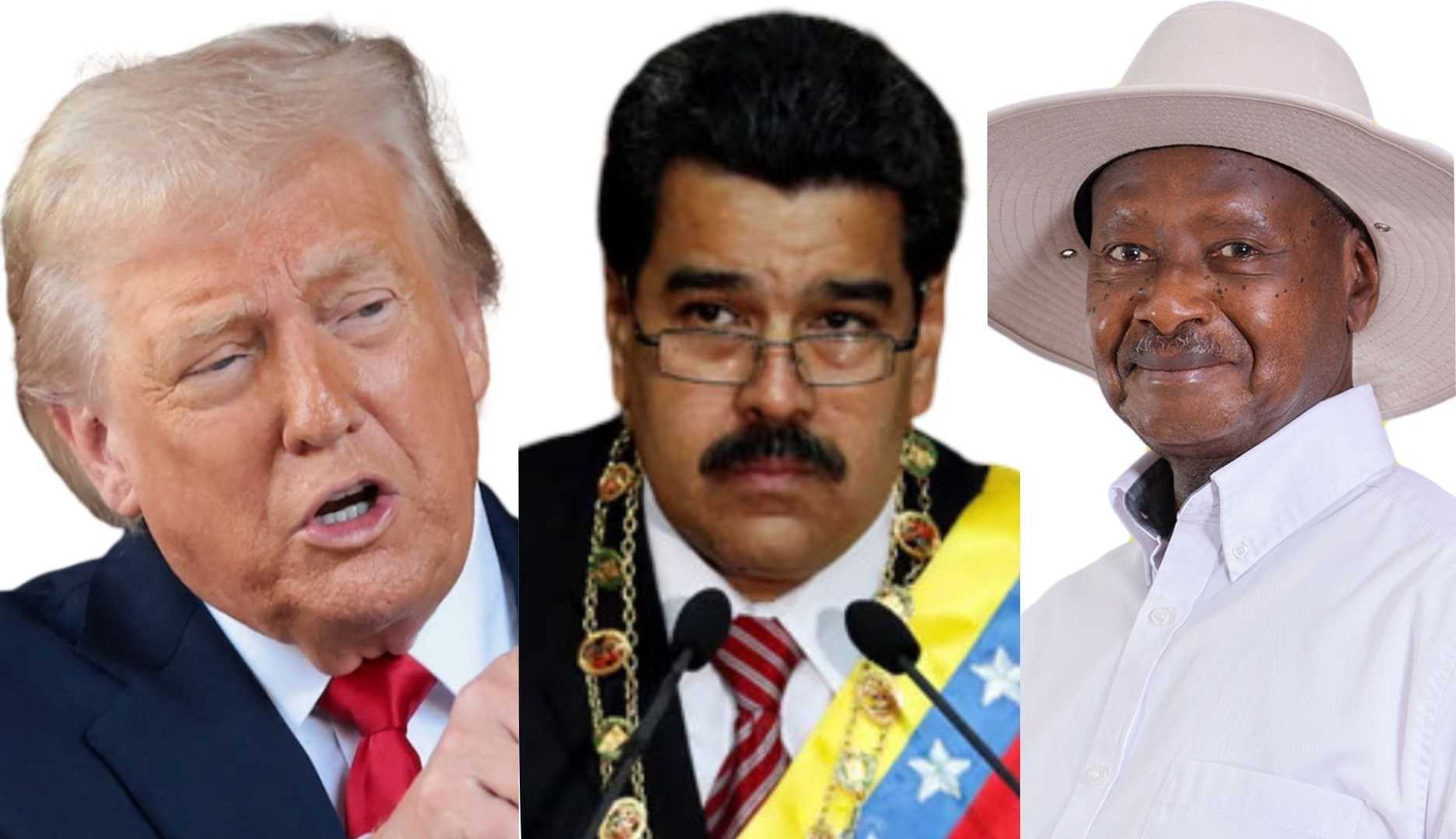
President Museveni Critiques U.S. Foreign Policy: A Focus on Uganda’s Perspective
Uganda, 5 January 2026 – In a striking commentary, President Yoweri Museveni of Uganda has condemned recent American foreign policy maneuvers, particularly the audacious capture of Venezuelan leader Nicolás Maduro by U.S. forces. This move has sent shockwaves not just through Latin America but also resonates deeply in African capitals, as it reflects a worrying trend where African aspirations are often overlooked in favor of the strategic ambitions of great powers.
Museveni’s statement articulates a sentiment that is increasingly felt among African leaders: the nagging unease that the continent’s voices are subdued in global geopolitics. The fervent reactions to America’s approach highlight a broader concern that interventions are often driven by individual nationalistic agendas rather than a multilateral respect for sovereignty, especially in regions like Africa.
The Ripple Effect of U.S. Actions
While the situation in Venezuela might appear distant from Uganda, it underscores a far-reaching foreign policy strategy. President Trump’s bold intervention epitomizes a new era of American foreign policy characterized by an aggressive stance that intertwines military operations with economic incentives. By seizing control and vowing to redevelop Venezuela’s energy sector through major American oil companies, Trump is blurring the lines between geopolitics and market interests, raising alarms over how similar policies could manifest in African contexts.
For many leaders within Africa, the message is clear: the U.S. appears to prioritize its economic pursuits over collaborative engagements, often sidelining African states and their regional dynamics in the process. This has significant implications for how African nations will strategize their foreign relations going forward, particularly in a landscape where U.S. actions often lead to ripple effects across the globe.
A Shift in Diplomatic Priorities
The Trump administration’s foreign policy pivot suggests a notable shift from traditional aid models to a more transactional diplomacy approach. Under this new framework, foreign aid as we once knew it is being dismantled in favor of direct agreements where assistance is contingent on support for American strategic interests.
For instance, initiatives in countries like Kenya, Nigeria, and Rwanda highlight a growing trend where U.S. funding is directly tied to mutual investments. This fosters a spirit of self-sufficiency and a departure from the dependency that long characterized American aid in Africa. But while such agreements may bolster economies, they also come with the risk of fostering a transactional relationship that prioritizes U.S. interests over long-term developmental goals.
Democracy Versus Economic Pragmatism
Unlike past administrations that focused heavily on democracy and human rights promotion, Trump’s approach has notably shifted its emphasis. Trade, investment, and security cooperation now dominate discussions, often leading critics to brand the U.S. stance as overly pragmatic—one that disregards democratic governance in favor of economic alignment.
This policy pivot raises essential questions: What does it mean for African countries caught in this web of pragmatism? While increased investment may seem beneficial, the sidelining of democracy promotion could undermine efforts to build resilient governance structures. The balance becomes precarious as nations weigh the benefits of economic growth against the potential erosion of civic freedoms and human rights.
Countering Global Rivals
The strategic importance of Africa is further complicated by the geopolitical landscape where the U.S. sees itself entrenched in a broader competition with nations like China and Russia. U.S. policymakers have explicitly called out China’s increasing influence on the continent, positioning their engagement as a means to counteract this trend.
The framing of African partnerships through the lens of countering rival influence raises critical concerns about autonomy. Will African states be viewed as allies in a geopolitical chess game, or will their unique developmental needs be addressed in these strategic economic partnerships? This question lingers heavily in the minds of many African leaders as they navigate their foreign policies.
Diverse Forms of U.S. Engagement
Various dimensions of U.S. involvement in Africa have emerged, each sparking its own set of controversies. On the military front, an uptick in drone strikes and counter-terrorism operations, particularly in Somalia, has raised eyebrows about the balance between achieving immediate security objectives and fostering long-lasting stability in conflict-affected regions.
Moreover, recent diplomatic decisions have not been without repercussions. Trump’s expanded travel ban affecting several African nations—such as Mali and Burkina Faso—has triggered reciprocal actions, straining important diplomatic ties that took years to cultivate. This fallout not only impacts travelers but also reflects a broader discontent over U.S. engagement strategies that may inadvertently alienate potential allies.
Listening to African Voices
The intersection of U.S. foreign policy and African realities calls for renewed dialogue between leaders from both continents. As President Museveni points out, the ambitions of African nations should not be mere footnotes in strategies designed around great power interests. With a clearer focus on mutual respect and understanding, there exists an opportunity for a truly collaborative approach that positions African nations as active participants rather than passive recipients in this evolving global narrative.
The conversation around U.S. engagement in Africa is complex and reflects broader geopolitical shifts. As the world watches the U.S. navigation of these waters, African leaders are left to manage their own paths forward amidst evolving international dynamics.