


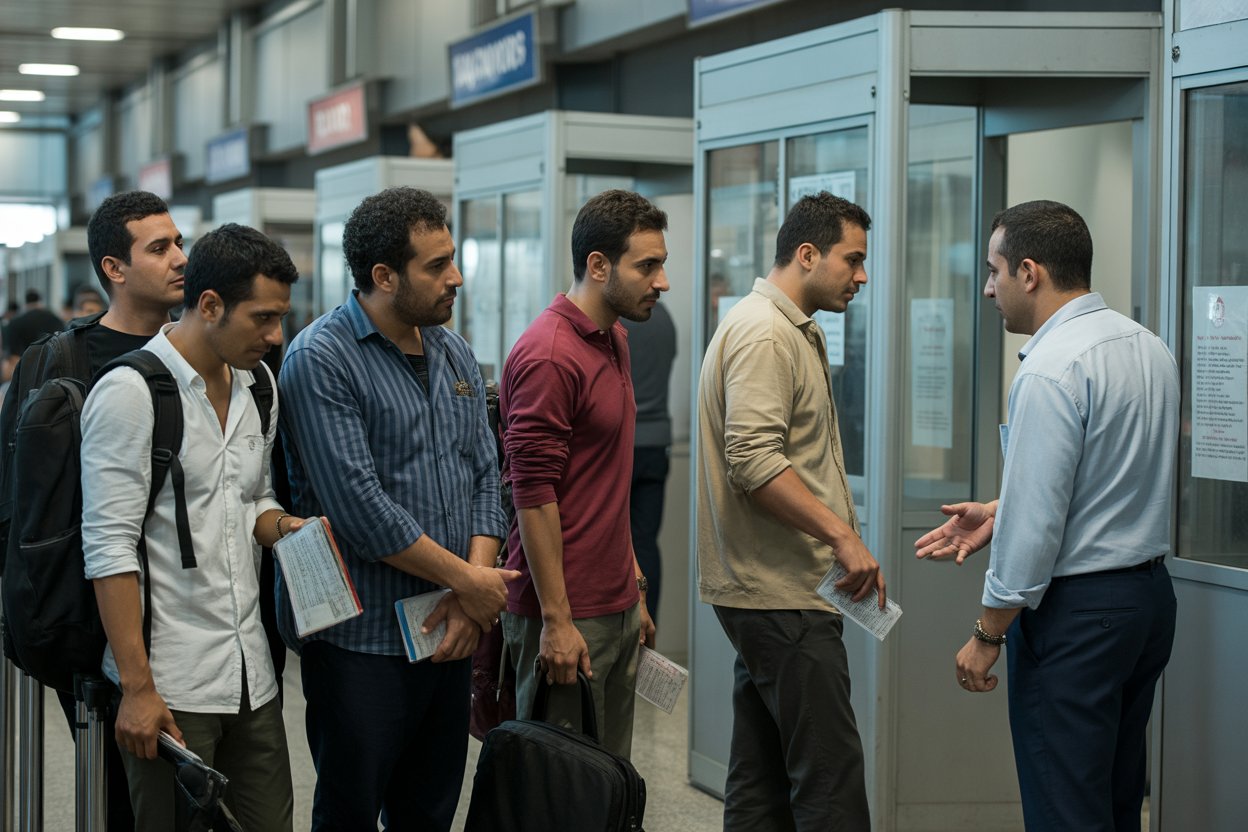
New US Visa Rules Shake Egypt and Key African Markets — What Tourists, Students, and Business Travelers Must Know
Published on January 16, 2026, the United States has introduced sweeping visa policy changes that are reshaping travel prospects for citizens of Egypt and various African nations. These changes not only present higher barriers for tourism, business, education, and migration to the U.S. but also represent a broader tightening of U.S. immigration and visa procedures under the current administration.
The Impact of U.S. Visa Policy Changes
The recent introduction of tighter U.S. visa policies has caused significant concern among travelers and industry stakeholders in Egypt, Nigeria, South Africa, Kenya, Morocco, Ghana, Tanzania, and Zimbabwe. The overhaul includes substantial increases in application fees and the introduction of visa bond requirements that can reach up to $15,000. Enhanced screening measures also indicate a dramatic shift in how visas will be processed, prompting fears that the opportunity for citizens from these nations to visit the U.S. may be severely compromised.
Higher Financial Barriers
The new visa policies have significantly elevated the financial burden on travelers. Egyptian citizens wishing to travel to the U.S. now face not only inflated visa fees but also mandatory refundable security deposits known as “visa bonds.” These bonds, which vary between $5,000 and $15,000 based on nationality, must be paid in advance and are refunded only upon timely departure from the U.S., as verified by the Department of Homeland Security.
The Introduction of the “Visa Integrity Fee”
To compound the financial challenges, the U.S. has rolled out a “Visa Integrity Fee.” This fee hikes the cost of a standard B-1/B-2 visitor visa to approximately $442, marking a sharp increase from historical rates. Such fees could discourage many potential travelers from applying for a U.S. visa, leading them to consider alternative destinations with more favorable visa policies.
Immigrant Visa Processing Suspension
Moreover, the U.S. State Department has announced an indefinite suspension of immigrant visa processing for citizens of 75 countries, which took effect on January 21, 2026. This suspension impacts individuals looking to obtain permanent residency, reflecting a broader tightening of immigration procedures. Countries affected by this pause include Brazil, Russia, Iran, Somalia, Nigeria, and others from Africa, the Middle East, and Latin America.
Although non-immigrant visa options remain available, applicants face more stringent vetting processes that include financial assessments, health checks, background inquiries, and increasing scrutiny of biometric and social media data.
Rising Scrutiny and Visa Delays
The implications of these visa policy changes extend beyond financial barriers. Prospective travelers must now navigate a more intricate web of documentation and scrutiny, resulting in lengthy processing times that could deter many individuals from even attempting to apply. Travelers from Africa who historically enjoyed easier access to the U.S. now face the prospect of longer delays and the potential for additional roadblocks when applying for visas.
The Effects on Travel and Mobility
These policy changes have a profound impact on the mobility of individuals between the U.S. and key African markets. As application costs escalate and processing timelines stretch, many potential visitors are likely to reevaluate their travel plans. Unable to shoulder the financial burden or navigate the administrative hoops, some may opt to travel to countries with less stringent visa requirements, thus diminishing the appeal of the U.S. as a travel destination.
For example, while U.S. citizens have traditionally been able to obtain tourist visas upon arrival in Egypt or through local consulates, the inverse situation now presents significant obstacles for Egyptian nationals attempting to secure U.S. travel.
Alternative Destinations on the Rise
Countries like Kenya, which have liberalized their entry regulations via electronic travel authorizations (eTA), may now appear more attractive to travelers from Africa. As other nations ease their visa restrictions, the U.S. risks losing valuable tourism revenue and educational exchanges that have historically enriched both U.S. and African economies.
The Human Toll: Families and Students Affected
The human element of these changes is particularly poignant. Families hoping to reunite in the U.S. are now confronted with heightened uncertainty regarding their ability to travel. African professionals and students considering educational and cultural exchanges may delay or abandon their plans, impacted by the additional scrutiny and rigorous background checks required for non-immigrant visas.
The Chilling Effect on Mobility
Industry experts warn that such restrictive measures could have a chilling effect on mobility among middle-class travelers from Africa and the Middle East. The growing complexity of applications, combined with elevated costs and the uncertainty surrounding new processes, encourages many to seek alternative travel options.
Government Justification for Policy Changes
The U.S. government justifies these sweeping changes under the pretext of enhancing national security, ensuring public safety, and practicing fiscal prudence. Officials assert that the tightened measures aim to prevent visitors from becoming “public charges,” a legal term that justifies rejecting entry to individuals deemed likely to rely on government assistance.
Criticism of the Policies
Despite the government’s rationale, critics argue that these policies disproportionately impact lower-income nations and stifle the opportunities for cultural exchange that can enrich both the U.S. and international communities. Travel and tourism associations express concerns that such barriers may lead to decreased tourist arrivals and weakened academic exchanges.
Conclusion: Navigating a New Landscape
The landscape of U.S. visa policies in 2026 presents a challenging environment for travelers from Egypt and key African markets. With increased costs, mandatory bonds, processing suspensions, and heightened scrutiny, the implications on global mobility are profound and far-reaching. The effectiveness and repercussions of these new regulations will unfold throughout 2026, leading to significant shifts in travel and tourism dynamics.