


The Aftermath of Los Angeles Wildfires: A Year of Struggle and Resilience
One Year Later: The Scarred Landscape
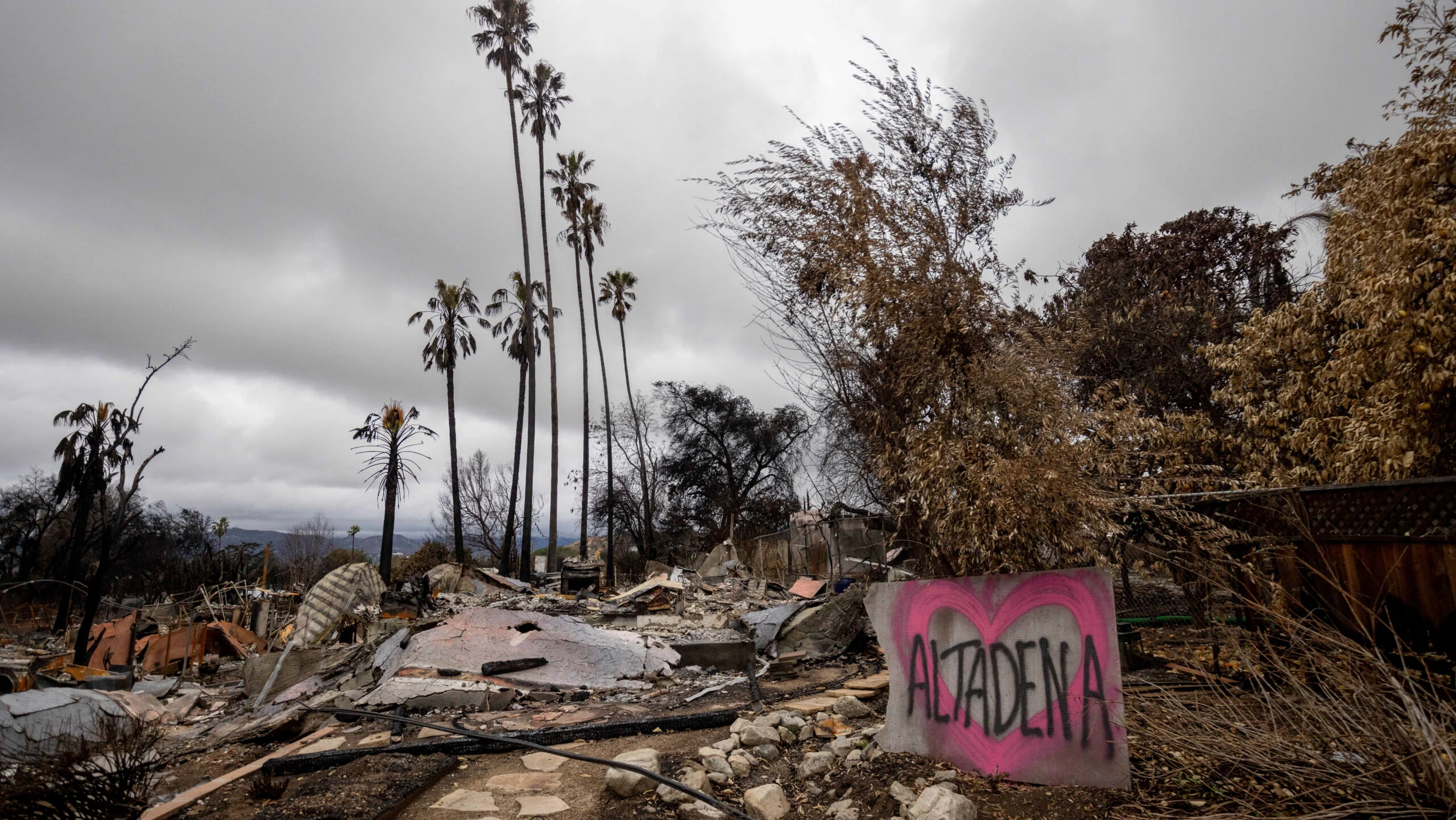
On the first anniversary of the devastating Palisades and Eaton fires in Los Angeles, the landscape remains a stark reminder of the destruction. Erupting on January 7, 2025, these wildfires led to the loss of 31 lives and the obliteration of approximately 13,000 homes and residential properties. As of now, fewer than a dozen homes have been rebuilt, leaving behind dirt lots where vibrant neighborhoods once thrived.
The Financial Toll on Homeowners
For homeowners, the cost of reconstruction has become a heavy burden. While those with insurance might expect some relief, many have found that their coverage is insufficient to cover rebuilding costs. Relief organizations are stepping in, but their efforts are hampered by the slow pace of recovery. The reality for many is one of fear and uncertainty, where the dream of rebuilding seems increasingly out of reach.
A Lone Success Story
Amid the rubble, there are exceptions. Ted Koerner, a 67-year-old resident of Altadena, stands out as one of the few who has successfully rebuilt his home. After his house was reduced to ashes, he quickly liquidated a significant portion of his retirement savings, enabling him to secure contractors and expedite the rebuilding process. Koerner completed his new home just before Thanksgiving, driven by the desire to provide a safe haven for his beloved golden retriever, Daisy Mae. His proactive approach, fueled by urgency and resolve, highlights how some individuals are making strides while many remain mired in uncertainty.
The Lingering Shadows of Destruction
For most residents, however, the streets of Pacific Palisades and Altadena are still lined with vacant lots and remnants of homes that once stood proudly. In Malibu, the scene is even more stark, with concrete piles jutting out of the sand, remnants of beachfront properties left to the mercy of nature. Neighborhoods that were once lively are now dimly lit, with streetlamps still in disrepair. Many families find the homes they managed to save unlivable due to lingering toxic contamination from the fires.
The Emotional Weight of Loss
Koerner’s story is a bright spot, but it also underscores the emotional strain many survivors are feeling. As they navigate the complexities of rebuilding, the psychological burden of loss weighs heavily. Jessica Rogers, for instance, faced devastating setbacks after losing her home, including job loss and identity theft. She eventually secured a low-interest loan to help rebuild but remains uncertain about how she will cover the total costs, reflecting a pervasive sense of doubt among many in the community.
Underlying Issues in Recovery
As of now, nearly 900 homes are reportedly under construction, bringing some hope for progress. Yet, many residents are still grappling with the reality that they may never return home. Over 600 properties that were once family residences have been sold, indicating that some residents may choose to leave their communities altogether. The vast disparity between insurance payouts and actual rebuilding costs leaves many feeling stuck, unable to commit to the significant financial undertaking required to return.
A Community in Limbo
Joy Chen, the executive director of the Eaton Fire Survivors Network, highlights the inequities in recovery, noting that a substantial portion of affected homeowners have yet to take actionable steps toward rebuilding. Compounding the issue is dissatisfaction with major insurers like State Farm, which has faced scrutiny over their claims processes. As frustration grows, community members face daunting obstacles not just in terms of finances but also emotional recovery.
Struggles of Renters and Underinsured Homeowners
The struggles extend beyond homeowners to include renters and those without sufficient insurance. Many in the Pacific Palisades community are in a state of limbo, feeling increasingly isolated as they navigate administrative hurdles with FEMA and SBA. The emotional aftermath of trauma is palpable, impacting individuals’ lives in ways that often go unspoken. Rogers and others like her share the reality that emotional healing is as necessary as physical reconstruction.
Lessons from Other Disasters
The slow pace of rebuilding in Los Angeles mirrors recovery patterns in other recent disaster zones, such as the 2021 Colorado wildfires. Experts suggest that significant rebuilding progress often unfolds at the 18-month mark, but the current trajectory raises concerns about systemic inequalities emerging in different neighborhoods. It is crucial to recognize which communities are lagging and why, particularly in historically marginalized areas like Altadena.
A Determined Spirit
Al and Charlotte Bailey, another resilient couple, demonstrate the grit that many in the community are embodying. Living in an RV on their empty lot, the Baileys are determined to rebuild their home, using funds from their insurance and a loan. Their commitment to their community shines through as they navigate the challenges that come with recovery. Their story encapsulates the broader narrative of resilience and the ongoing commitment many residents have to reclaim their lives and spaces.
In the face of adversity, the stories emerging from the aftermath of these wildfires reflect a complex mix of loss, determination, and hope. As these individuals continue their journeys toward recovery, the resilience of the human spirit shines through, reminding us that the path to rebuilding is often paved with both struggles and triumphs.