


New Admission Policy by the National Park Service: A Closer Look
Introduction of Free Admission Days
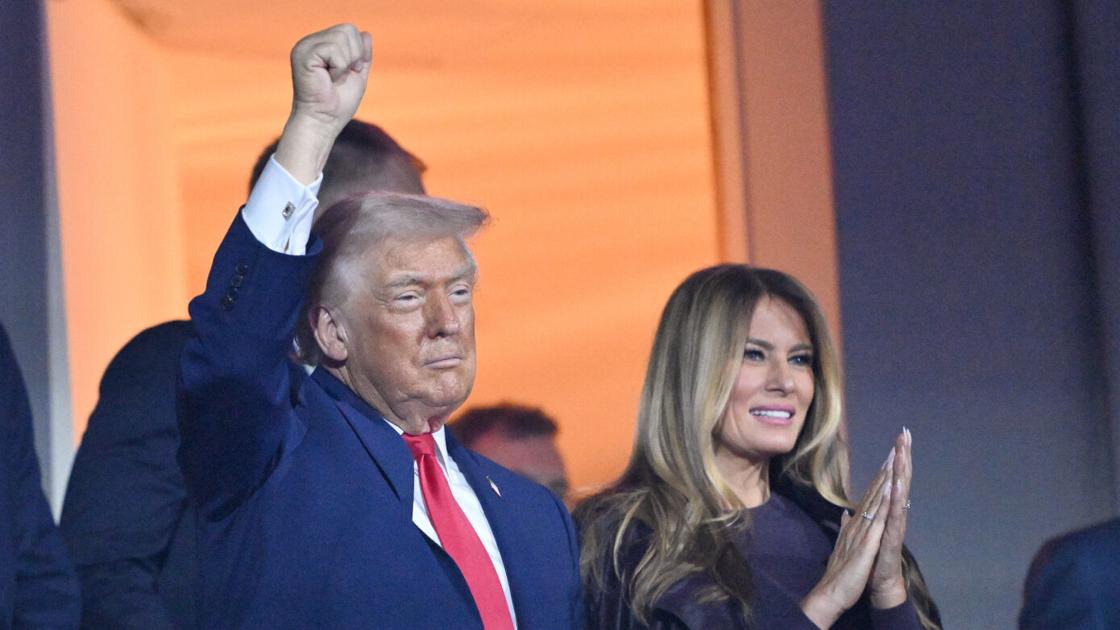
The National Park Service (NPS) has recently announced a significant shake-up in its admission policies, particularly drawing attention to an initiative to offer free admission for U.S. residents on President Donald Trump’s birthday, which coincides with Flag Day on June 14. This change marks a notable shift in the typical offerings, which previously included significant civil rights observances such as Martin Luther King Jr. Day and Juneteenth.
Previous Admission Practices
Last year, the NPS included Martin Luther King Jr. Day, a day that honors the monumental contributions of the civil rights leader, and Juneteenth, which marks the emancipation of enslaved Americans, in its list of free admission days. However, this year’s alterations replace those important dates with the birthday of President Trump, sparking outrage and concern among civil rights advocates and historians.
Request for Increased Fees for International Visitors
The NPS’s announcement did not stop at merely altering free admission days. They also informed the public of increased fees for international visitors. While domestic patrons would enjoy free entry during selected times, international guests would face higher costs to access the nation’s most cherished landscapes and historical locations.
A Broader Context of Racial History
Critics of the policy change argue that the removal of Martin Luther King Jr. Day and Juneteenth from the schedule of free admission days reflects a troubling trend: a perceived downplaying of America’s civil rights history. Such alterations are viewed as politicizing historical moments that honor the struggles of African Americans for equality and justice.
Voices of Dissent
Civil rights leaders have voiced their discontent with the new policy. Prominent figures like Cornell William Brooks, a former president of the NAACP, described the decision as overtly racially insensitive, labeling it indicative of a broader racial climate under the current administration. Kristen Brengel of the National Parks Conservation Association highlighted that these free admission days are not only significant for memorializing American history but also serve practical purposes, like facilitating community volunteer service projects in parks on Martin Luther King Jr. Day.
Impact on Historical Recognition
Eliminating the observance of Martin Luther King Jr. Day and Juneteenth raises concerns about the diminishing attention given to the African American experience in the United States. Juneteenth, celebrated on June 19, commemorates the day in 1865 when news of emancipation finally reached Texas, making it a pivotal point in American history. The day was recognized as a federal holiday only in 2021, following renewed calls for racial justice and acknowledgment of systemic inequities.
Newly Established Free Admission Days
Looking forward, the new list of free admission days will still include notable public holidays such as Presidents Day, Memorial Day, and Independence Day, alongside lesser-known observances like Constitution Day and Veterans Day. Notably, Theodore Roosevelt’s birthday on October 27 and the anniversary of the creation of the NPS on August 25 are also included.
Voices from the Political Sphere
Democratic lawmakers have expressed significant opposition to the policy changes, emphasizing that erasing recognition of Black historical experiences undermines societal progress. For example, Senator Catherine Cortez Masto criticized the administration for removing holidays that honor the historical struggles for civil rights, voicing the sentiment that the country deserves a more inclusive acknowledgment of its past.
National Trends in Recognition and Learning
Since President Trump took office, several actions have been perceived as efforts to erase or diminish the narratives that focus on civil rights. This has raised alarms among historians and advocates who aim to ensure that America’s diverse stories are honored and preserved within public consciousness.
Keeping these discussions at the forefront serves to remind national and local entities of the histories that should be celebrated and acknowledged, ensuring inclusivity and equal representation within public memory and education systems.