


Rising Tensions Following Fatal Shooting by ICE Officer
In recent days, the national conversation surrounding the role of Immigration and Customs Enforcement (ICE) has intensified following the tragic death of 37-year-old Renee Good in Minneapolis. A stark emergence of law enforcement officials condemning ICE’s actions has been noted across various cities, notable for the warnings issued against their practices should they step into local jurisdictions.
Outrage in Philadelphia
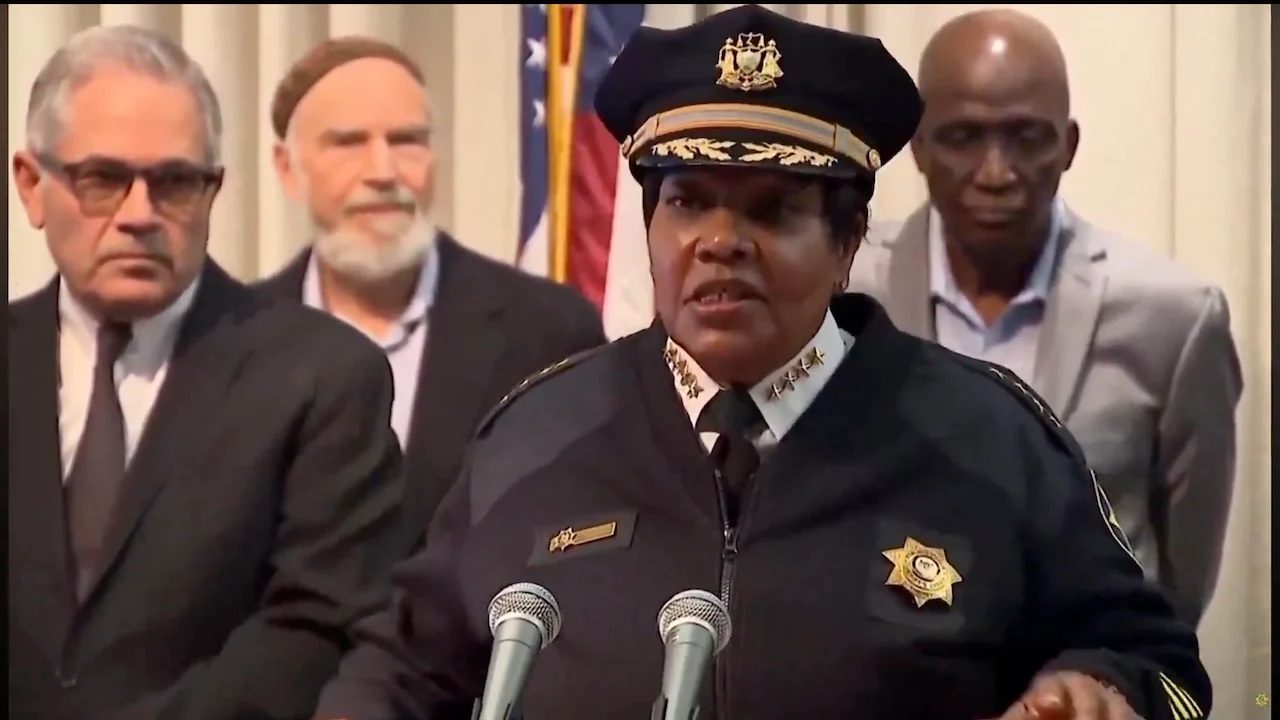
At a press conference held on January 8, Philadelphia District Attorney Larry Krasner addressed the media alongside Philadelphia City and County Sheriff Rochelle Bilal. The event was steeped in indignation and disapproval of ICE’s actions. Bilal firmly stated that the masked officers of ICE can’t expect protection if they engage in unlawful activities during their operations.
“President Trump can’t protect them from arrest if they break the law,” she declared emphatically, signaling a serious turn in how local authorities view ICE’s presence in their cities.
The Labeling of ICE
Sheriff Bilal didn’t mince words when discussing ICE, referring to them as “Trump’s New Army.” She expressed a profound disapproval of their tactics, especially the use of masks during operations. “No law enforcement professional wears a mask, none,” she insisted, emphasizing that any individual seeking to conceal their identity while enforcing the law does not adhere to true law enforcement practices.
Bilal’s assertions highlight a growing sentiment that ICE’s methods are not only questionable but also incompatible with the core values of community-focused policing.
Direct Warnings to ICE
Bilal’s determination to hold ICE accountable was palpable. She reiterated the resolve of the local law enforcement community to ensure that officers acting improperly are not shielded from the consequences of their actions. “You don’t want this smoke because we will bring it to you,” she warned, signaling her readiness to confront any ICE agents committing crimes in Philadelphia.
This rhetoric reflects a significant shift, positioning local law enforcement as actively resistant to federal immigration enforcement that they deem as overreaching or unlawful.
Krasner’s Strong Stance
Echoing Bilal’s sentiments, District Attorney Krasner was equally forthright in his condemnation of ICE. “If any law enforcement agent, any ICE agent, is going to come to Philly to commit crimes, then you can get the F out of here,” he asserted. This statement illustrates a firm, united front against what they perceive as a federal agency operating outside the bounds of legal and moral obligations.
Krasner’s commitment to arresting and prosecuting any ICE agents committing crimes in Philadelphia signifies a broader stance against federal overreach, signaling that local jurisdictions are prepared to take a stand.
Crime Rates and Federal Enforcement
Interestingly, despite the rise in tension over ICE’s methods, major cities have reported a decrease in homicides and significant crime rates in recent times. This data raises questions about the necessity of an aggressive ICE presence in communities where local law enforcement is already working toward crime reduction.
Simultaneously, the Trump administration has continued to deploy the National Guard to cities like Chicago, Washington D.C., and Portland to maintain order, reinforcing a narrative of a perceived crisis of safety that critics argue is artificially inflated.
The Community’s Reaction
These developments have sparked robust discussions among community leaders, activists, and citizens. Many are rallying around the notion that federal immigration enforcement should respect the collaborative relationships that local law enforcement have been striving to build within their communities. The tension between local and federal authorities underscores a fundamental disagreement over the role of law enforcement in immigrant communities and the implications of ICE’s operations.
As discussions continue to unfold, the actions taken by figures like Sheriff Bilal and District Attorney Krasner reflect broader societal debates about justice, accountability, and the moral responsibilities of law enforcement agencies.