


Downing Street’s Communication Overhaul: What It Means for You
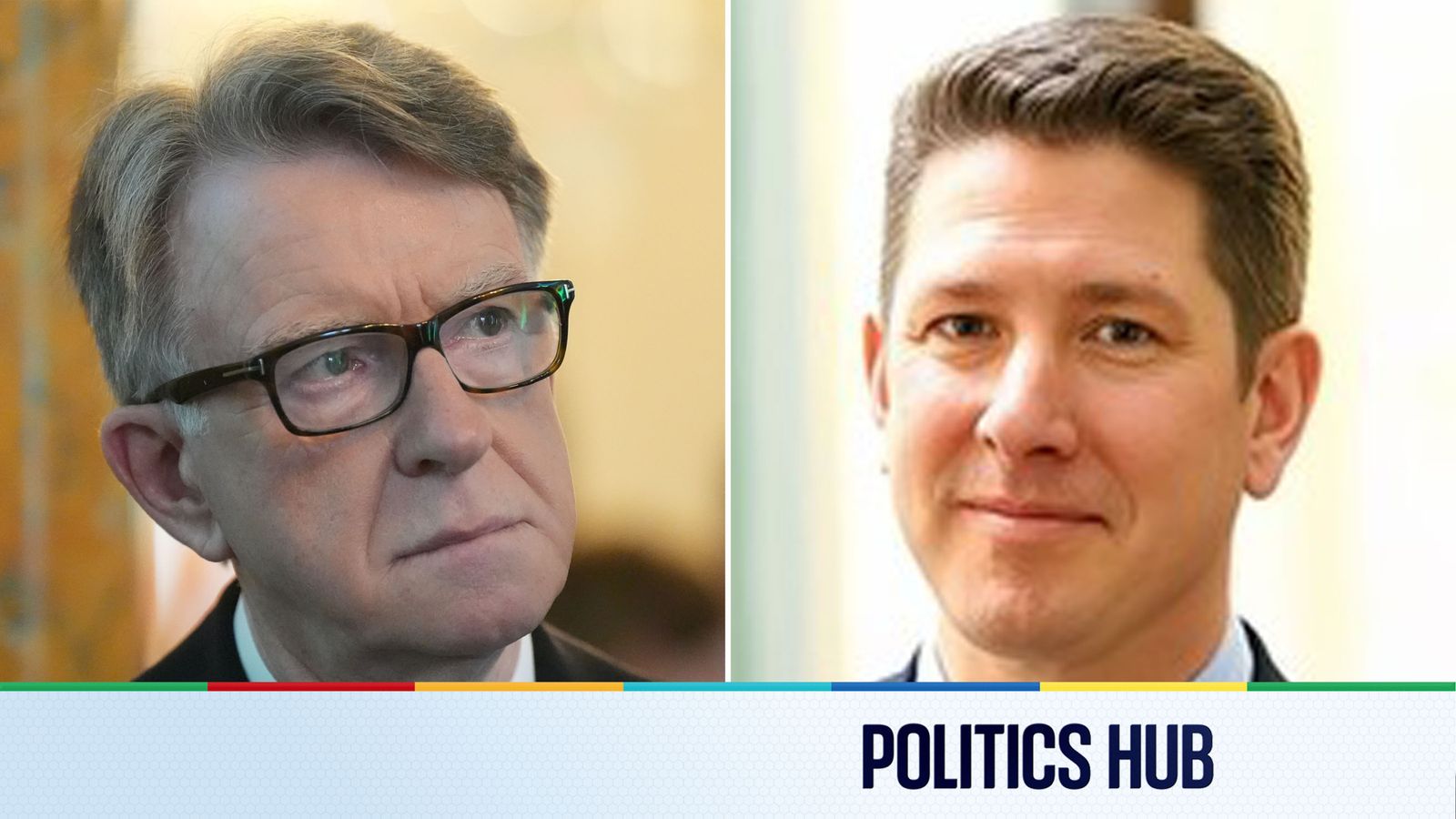
Downing Street is poised for a significant transformation in its communication strategy. This overhaul aims to reshape the way information reaches the public, and the implications could be far-reaching. Tim Allan, the executive director of communications at No. 10, advocates for these changes, asserting that they will streamline the briefing process for both journalists and citizens, making it more efficient and effective. However, not all voices are in agreement; critics from the journalism community have raised concerns that these reforms could undermine transparency and access.
A Shift in the Briefing Landscape
Currently, political journalists have access to two daily briefings led by the prime minister’s official spokesperson. Starting in January, however, this routine will be modified to include only one daily briefing—or in some instances, none at all. The afternoon session will be eliminated, significantly reducing the number of updates that reporters can offer, thus impacting the public’s access to information.
Allan has criticized the afternoon briefings as “sparsely attended” but acknowledges that they provide a valuable platform for clarity on pressing issues, such as government stances on election suspensions. The decision to scrap these sessions raises questions about the motives behind the change and the potential consequences for media coverage.
The New Format for Press Conferences
In place of the afternoon briefings, occasional afternoon news conferences will be introduced, where ministers will discuss new policies and field questions. This approach promises to enhance access to cabinet members but carries the caveat that Downing Street can dictate which journalists have the opportunity to ask questions.
Currently, any political journalist can engage with the PM’s spokesperson, allowing for a more open and extended dialogue. The new format could lead to more controlled interactions, raising concerns about the nature of scrutiny and the democratic process.
Morning News Conferences: More Visibility, Less Freedom?
Another significant change is the introduction of a series of morning news conferences with ministers, including potential appearances by the Prime Minister himself. This format aims to increase public visibility into the government’s operations. However, the logistics remain a point of contention; when a news conference occurs, there will not be an accompanying briefing for journalists to question the spokesperson about any topic.
Moreover, these morning conferences will expand access not just to traditional political journalists but also to content creators and sector-focused reporters. While this could lead to a more diverse range of questions and perspectives, the lack of an open briefing could simultaneously diminish robust questioning on critical issues.
Industry Reactions: A Call for Transparency
Reactions to these reforms from the media landscape have not been overwhelmingly positive. David Hughes and Lizzy Buchanan, the outgoing and incoming heads of the Lobby—organizations comprised of political journalists with privileged access to briefings—expressed their alarm through a joint statement. They condemned the decision as one made without consultation and warned that it could severely restrict access and scrutiny.
Their concerns emphasize a fundamental issue: while Downing Street promises more ministerial press conferences, the government will control the agenda and select which questions can be asked, ultimately shaping the narrative around important national issues.
What This Means for You
The impending changes to Downing Street’s communication strategy could significantly affect how news reaches the public. While proponents argue that the new format will streamline communication and provide greater access to ministers, critics caution that the removed afternoon briefings and controlled access might diminish transparency. As these reforms unfold, the evolving relationship between the media and government will be critical in shaping public discourse. In this era of change, staying informed about how your government communicates is more important than ever.