


To Go or Not to Go: The Fourth Down Dilemma in the NFL
In the high-stakes world of the NFL, the decisions a coach makes on the field can significantly impact the course of a game and even an entire season. One of the most debated scenarios is the choice of whether to “go for it” on fourth down rather than opting for a field goal or punting. This strategic choice often becomes a focal point of discussion among fans and analysts alike, particularly when the stakes are highest.
The Fourth Down Philosophy
When it comes to fourth down situations, many coaches subscribe to a bold philosophy: if you have a chance to gain the necessary yards, why not take it? This aggressive mindset has been increasingly prevalent in the league, especially as analytics play a larger role in decision-making. The reasoning behind this approach is straightforward: the potential reward of a fresh set of downs often outweighs the risks associated with giving the ball back to the opponent.
Sean Payton’s Bold Call
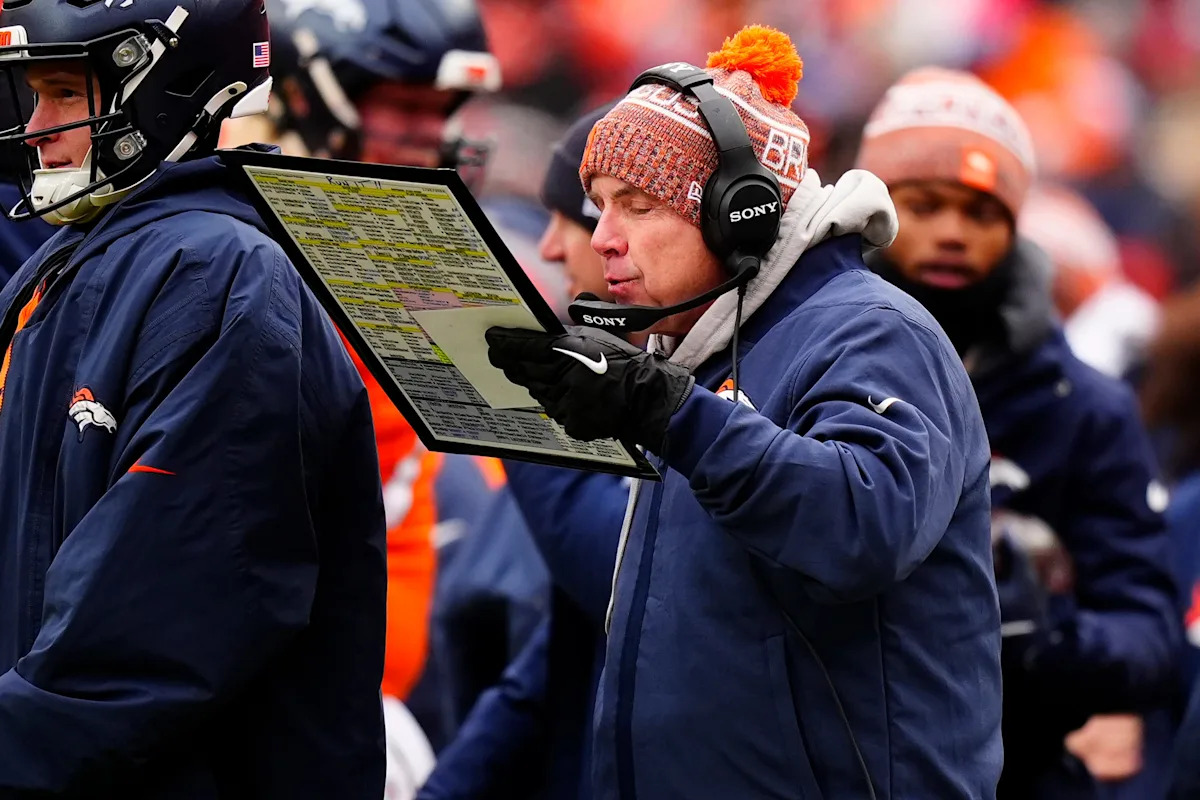
Take, for instance, the recent AFC Championship Game where Denver Broncos head coach Sean Payton made a pivotal decision that sent shockwaves through the sports community. Leading 7-0 and facing a critical fourth-and-1 early in the second quarter, Payton elected to keep his offense on the field. With the ball resting on the New England Patriots’ 14-yard line, many began to question the decision, particularly given that the Broncos were relying on backup quarterback Jarrett Stidham to move the chains.
This moment encapsulates the essence of a fourth down decision—confidence in the players, the need for an aggressive stance, and the game context. Payton’s choice was more than just a tactical move; it was a statement about his team’s capabilities and his willingness to seize the moment.
The Immediate Aftermath
As the play unfolded, tensions escalated. New England’s defense quickly closed in on Stidham, forcing an incomplete pass and halting the Broncos’ drive. The result? A missed opportunity that would later come back to haunt them. The Patriots capitalized on this momentum shift, eventually tying the game and then taking the lead with a field goal. In moments like these, the impact of a coach’s choice reverberates through the gameplay, altering not only scores but also the psychological state of both teams.
The Effect of Conditions
The conditions on the field played a significant role as the game progressed. With snow beginning to fall and weather deteriorating, the dynamics of the game shifted dramatically. Kicking turned from a reliable option to a nearly impossible endeavor as both teams battled the elements as much as each other. As the Broncos found themselves trailing late in the second half, the earlier decision to forgo a field goal gained new layers of scrutiny.
The Broader Implications
Pivotal fourth down decisions aren’t isolated incidents; they carry broader implications for coaching strategies throughout the league. The philosophy of being aggressive on fourth down has prompted discussions around risk management, player confidence, and the ever-evolving landscape of NFL coaching.
Furthermore, as the season unfolds and teams vie for the coveted opportunity to play in the Super Bowl, decisions like Payton’s become emblematic of a larger trend—a move towards embracing the risk that might just define a coach’s legacy.
This ongoing discussion about fourth down strategies highlights the delicate balance between aggressive play and calculated risk in professional football. The moments captured on the field—whether they lead to glorious victories or humiliating defeats—will continue to shape the narrative of each NFL season.