


China and Iran Deploy Destroyer Warships
Rise of Military Collaboration
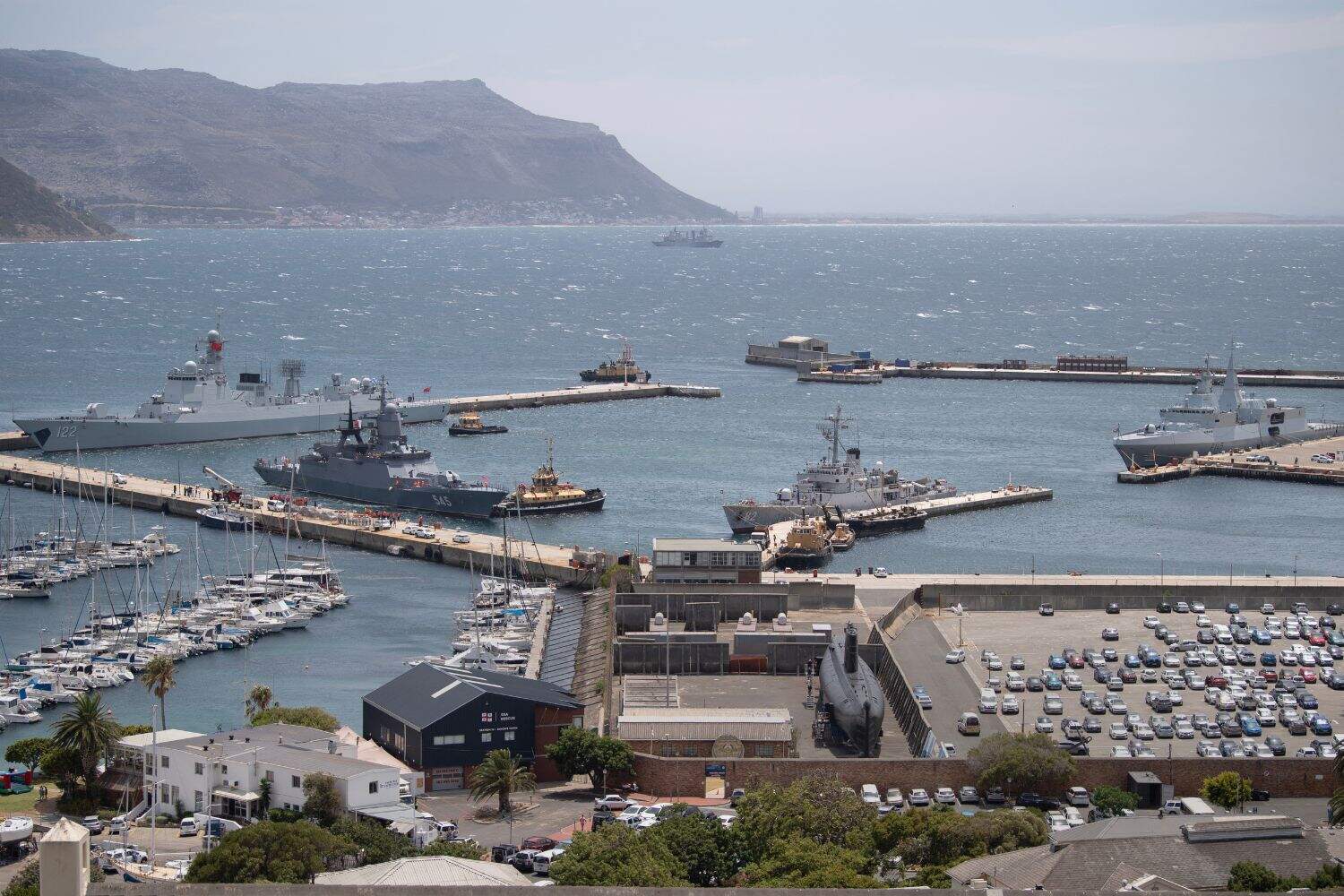
In a significant geopolitical maneuver, China and Iran have deployed destroyer warships as part of a show of force that underscores the increasing collaboration between these nations amid global maritime tensions. This naval display comes at a time when the international security landscape is evolving, with rising friction between major powers, particularly the United States and the BRICS nations.
South Africa’s Naval Drills with BRICS Nations
On Saturday, South Africa commenced a week-long naval exercise dubbed “Will for Peace 2026”, which includes participation from Russia, Iran, and China. This initiative is strategically positioned off South Africa’s coast and is more than just a series of drills; it represents a unified stance among the BRICS countries in response to escalating maritime tensions.
Captain Nndwakhulu Thomas Thamaha, South Africa’s Joint Taskforce Commander, emphasized at the opening ceremony that these exercises are essential for fostering cooperation among emerging nations. “It is a demonstration of our collective resolve to work together,” he remarked, highlighting the importance of collaboration in challenging global conditions.
Context of the Exercises
The backdrop to these drills is significant. Just days prior, the United States seized a Russian-flagged oil tanker in the North Atlantic, claiming it was carrying crude oil intended for Venezuela, Iran, and Russia—a move seen as a violation of Western sanctions. This action intensified the existing geopolitical tensions, making the timing of the naval exercises all the more notable.
BRICS Expansion and Inclusion
BRICS, originally comprising Brazil, Russia, India, China, and South Africa, has seen its membership expand to include countries such as Iran, Saudi Arabia, Egypt, the United Arab Emirates, and Ethiopia, among others. This diversification of members indicates a growing alliance that aims to challenge Western hegemony and promote multipolarity on the global stage.
During the drills, while China and Iran showcased their destroyer warships, Russia and the United Arab Emirates contributed corvette vessels, with South Africa deploying its own frigate. Observers from Indonesia, Ethiopia, and Brazil were also present, signaling broader interest in the exercises.
Captain Thamaha further explained that the focus of these drills was to “ensure the safety of shipping lanes and maritime economic activities,” indicating that the key objective is aligned with maintaining security in increasingly contentious waters.
Historical Context and Previous Exercises
This year’s maneuvers were previously known as Exercise Mosi and were initially slated for last November. They were postponed due to a scheduling conflict with the G20 summit in Johannesburg, which was notably boycotted by the U.S. The history of these collaborative exercises dates back to 2019 when the three nations first conducted joint naval drills, laying the groundwork for enduring military cooperation.
Criticism and American Concerns
The United States has responded critically to these developments, accusing South Africa and the BRICS bloc of fostering “anti-American” policies. This criticism has escalated to threats of imposing an additional 10 percent tariff on countries within the BRICS framework, as Washington seeks to maintain its influence over global economic policy.
Moreover, South Africa’s decision to pursue legal action against Israel for alleged war crimes related to the Gaza conflict has drawn further ire from the U.S., complicating diplomatic relations. South Africa’s choice to engage in naval drills with Russia, particularly timed to coincide with the anniversary of Russia’s invasion of Ukraine, has heightened suspicions and criticisms from Western powers.
Conclusion
As these nations engage in cooperative naval exercises, the implications for global maritime security and international relations become more pronounced. The Will for Peace 2026 drills serve as a vital reminder of the shifting dynamics in global alliances and the importance of cooperative defense strategies in an increasingly complex geopolitical environment.