


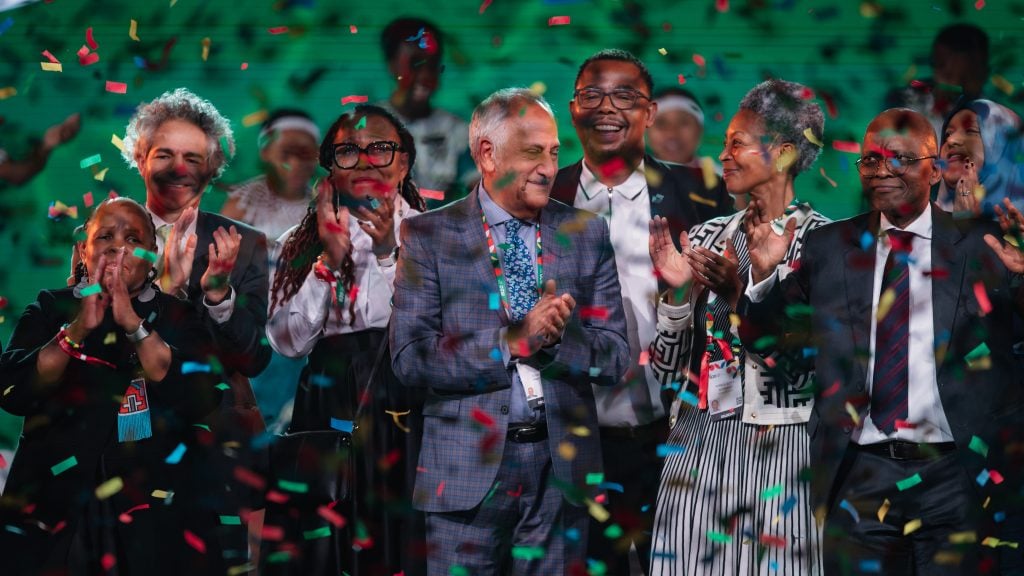
Johannesburg’s Transformation for the G20 Leaders’ Summit
Johannesburg, South Africa’s bustling commercial capital, has recently undergone a significant transformation in anticipation of the G20 Leaders’ Summit. Over the past few weeks, city officials have worked diligently to spruce up the urban landscape, ensuring that visitors from around the globe would experience Johannesburg at its best.
Preparations and Enhancements
In preparation for the influx of international visitors, city officials focused on essential upgrades. Road repairs, updated signage, and extensive cleaning of public spaces were prioritized to enhance the overall experience for both guests and residents. Additionally, security measures were ramped up to ensure the safety of attendees during the high-profile event.
While some residents expressed concerns that these efforts seemed tailored towards pleasing visitors over locals, officials remained focused on putting their best foot forward as the B20 meeting commenced in Sandton. This affluent hub of commerce, often referred to as the richest square mile in Africa, was the focal point of the event, offering a variety of amenities that made the summit more accessible and enticing.
The Enclave of Sandton
Sandton’s appeal lies not just in its wealth but also in its array of top-tier hotels, luxury shopping outlets, and fine dining options. The neighborhood’s well-maintained streets and buildings established an atmosphere of elegance and professionalism. The heightened security presence contributed to a sense of safety, allowing local businesses to thrive in the bustling milieu stimulated by an influx of foreign delegations.
The main venue for the G20 summit was situated at the Nasrec showgrounds, about a 20-minute drive from Sandton. This unique location posed its own set of logistical challenges, but the summit’s successful execution showcased Johannesburg’s capability to handle high-stakes international events.
Global Participation and Observations
The G20 event saw participation from 42 countries and organizations, including representatives from 20 of the 21 member nations. Interestingly, the absence of the United States and its controversial president, Donald Trump, was regarded as a benefit. A greater consensus on key issues was reached early on, which not only simplified discussions but generated extensive media coverage.
Despite the absence of an official American delegation, citizens and organizations from the U.S. were active participants in both the B20 and G20 meetings throughout the year, emphasizing ongoing interest and representation.
The summit also welcomed leaders from 16 guest nations and six representatives from regional economic blocs spanning Africa, the Caribbean, and East Asia, enhancing the global dialogue fostered during the event.
High-profile figures in attendance included Mahamoud Ali Youssouf, chairperson of the African Union Commission; Antonio Costa, President of the European Council; Ursula von der Leyen, President of the European Commission; and UN Secretary-General Antonio Guterres, underlining the event’s significance on the world stage.
Celebrating Multilateralism
President Cyril Ramaphosa expressed pride in the G20 Johannesburg Leaders’ Declaration, referring to it as a solid endorsement of multilateralism and constructive dialogue. Notably, consensus on climate change and global challenges was reached unusually fast, benefitting from the absence of polarized viewpoints often presented at international summits.
Positive Feedback from Attendees
As the two-day summit wrapped up, the atmosphere remained celebratory, with heads of state and dignitaries treated to warm farewells at various airports. Media representatives both locally and internationally reported highly favorable impressions of both the summit and Johannesburg itself. Visitors expressed admiration for the city’s friendly inhabitants, surprising levels of development, and an overall vibrant atmosphere that exceeded their expectations.
Economic Impact
Estimates regarding the economic impact of the G20 meetings began emerging soon after the events. Direct tourism revenue was pegged at approximately $70 million, while the total economic uplift from associated spending was predicted to reach $180 million. Sectors such as hospitality, retail, and high-end hotels saw a notable surge in business, particularly in five-star accommodations.
Tourism Minister Patricia de Lille highlighted the significant branding opportunity presented by the G20 meetings, which bolstered South Africa’s global profile and positioned it favorably for future tourism growth.
Reflecting on Expenditure
Although the G20’s projected budget of $40 million raised eyebrows amid discussions of national debt and poverty, many viewed the financial investment as a strategic move to enhance the country’s diplomatic and economic stature. While critics labeled it “political theatre,” supporters saw it as an essential step toward increased global visibility and future economic opportunities.
The smooth hosting of the G20 and B20 summits serves as a powerful testament to South Africa’s reputation as a prime conference destination. Building on experience from previous major events like the BRICS summits and the Mining Indaba, South Africa’s Meetings, Incentives, Conferences, and Exhibitions (MICE) sector generated approximately $6.6 billion in 2023, with expectations for further growth on the horizon.
As the dust settled in Johannesburg following this whirlwind week of diplomatic engagements, the city stood poised for a bright future, capturing the essence of progress and international connectivity.