


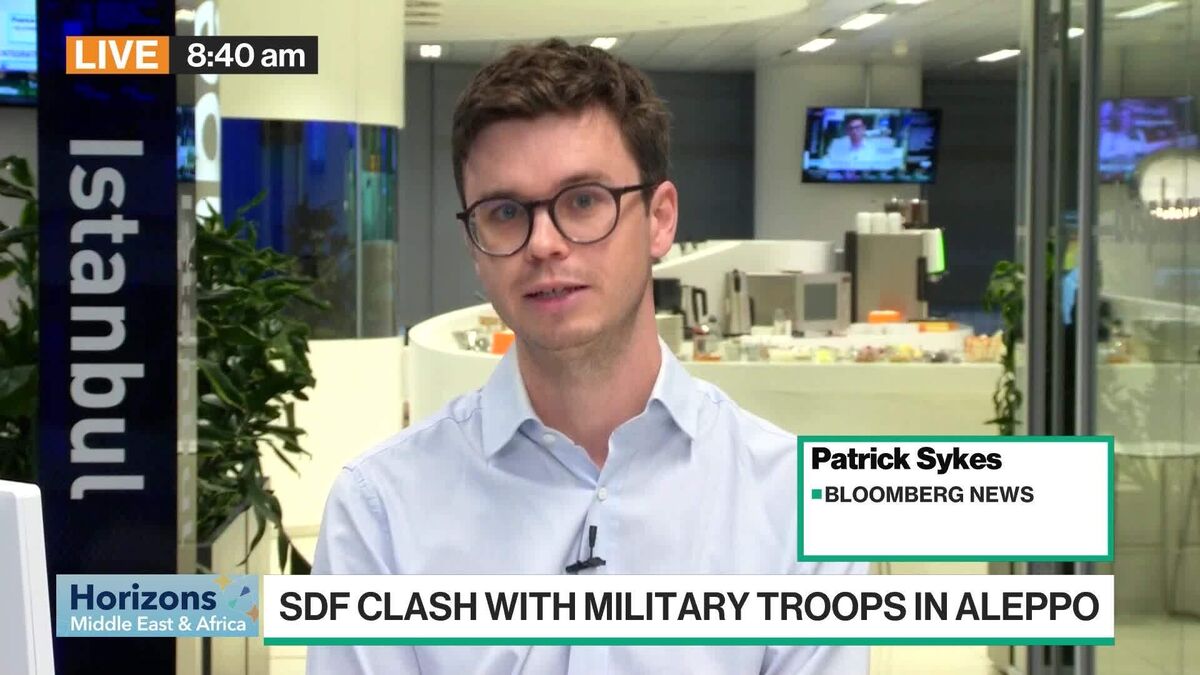
Fresh Clashes Erupt in Northern Syria: A Deepening Conflict
In recent days, northern Syria has once again become a hotspot for violence as clashes between the Syrian army and the U.S.-backed Syrian Democratic Forces (SDF) escalate. The renewed fighting not only highlights the ongoing tensions in the region but also coincides with a significant diplomatic visit by Turkish ministers to Syria. This convergence of military and diplomatic activity underscores the complex interplay of local and international dynamics that continue to shape the Syrian conflict.
Background of the Conflict
The Syrian civil war, now in its twelfth year, has evolved into a multifaceted conflict involving a myriad of factions, foreign powers, and shifting alliances. The SDF, predominantly composed of Kurdish fighters, has emerged as a crucial player in the fight against the Islamic State, backed by American military support. On the other hand, the Syrian army, under President Bashar al-Assad, is focused on reclaiming territory and asserting its control across the nation. The stark ideological divides and differing allegiances among these factions have fueled ongoing confrontations, manifesting recently in violent clashes.
The Role of the Syrian Army
The Syrian army’s persistent efforts to re-establish authority in northern Syria are motivated not just by military ambition but also by political necessity. After years of civil war, the Assad regime has sought to consolidate its power, often leading to confrontations with groups like the SDF. Recent engagements may signal a broader strategy to weaken the SDF’s foothold in the region, especially in light of the U.S. military presence that supports these Kurdish forces.
The Syrian Democratic Forces: A Complex Alliance
The SDF’s relationship with the United States has been instrumental in its operational capabilities. Benefiting from U.S. air support and military training, the SDF has effectively battled ISIS, making it a key ally for American interests in the fight against terrorism. However, this alliance is fraught with tension, particularly with Turkey, which views the Kurdish militia as a terrorist organization due to its links to the PKK (Kurdistan Workers’ Party).
Turkey’s Role and Diplomatic Engagement
Adding another layer to the conflict, Turkish ministers’ recent visit to Syria aims to engage in dialogue that may help de-escalate tensions between the Syrian government and Turkish-backed opposition forces. Turkey’s interest in northern Syria is twofold: preventing the establishment of a strong Kurdish entity along its border and managing the influx of Syrian refugees. The Turkish government sees a stable northern Syria as essential to its national security and has been involved in various operations against Kurdish positions.
The International Implications
These latest clashes and diplomatic efforts highlight the international ramifications of the Syrian conflict. The U.S. continues to navigate a complicated relationship with Turkey, a NATO ally, while also supporting the SDF. As both Russia and Iran back the Assad regime, the stage is set for further power struggles that could escalate into broader conflicts involving multiple regional and global players.
Humanitarian Impact and Ongoing Challenges
Amidst the military confrontations, the humanitarian situation in northern Syria remains dire. Millions of displaced people struggle with inadequate access to food, water, and medical services. The recent violence exacerbates these challenges, further complicating humanitarian aid efforts. NGOs working in the region face increasing difficulty in providing relief amidst the fighting, contributing to a deteriorating living condition for vulnerable populations.
Future Prospects
The trajectory of the conflict in northern Syria remains uncertain as military clashes continue and diplomatic efforts unfold. The interplay of local actors, particularly the SDF and the Syrian army, against the backdrop of international interests, creates a complex landscape where peace seems elusive. As Turkey navigates its own interests and seeks alliances, the prospect for a stable resolution appears increasingly challenging.
Conclusion
The fresh clashes between the Syrian army and the SDF encapsulate a moment in time that reflects the broader dynamics at play in the region. Military confrontations, diplomatic engagements, and humanitarian crises intertwine, creating a rich tapestry of conflict that will require ongoing attention and analysis from both regional leaders and the international community.