


Understanding the Complexity of Dismantling Iran’s Regime
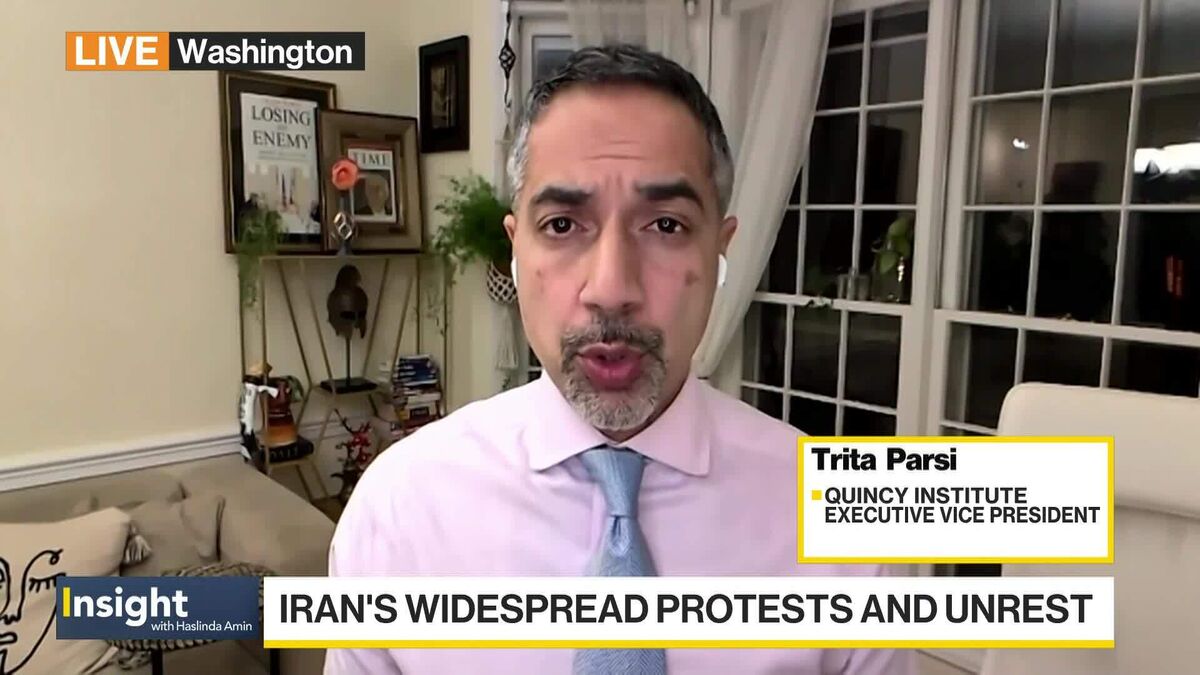
Trita Parsi, the Executive Vice President of the Quincy Institute, has become a notable voice in discussions surrounding U.S. foreign policy in the Middle East, particularly concerning Iran. In a recent interview on “Insight with Haslinda Amin,” he shed light on the intricate landscape of Iranian politics and the challenges facing any American efforts aimed at regime change.
The Nature of Power in Iran
One of the central points Parsi emphasizes is the diffused nature of power within Iran. Unlike Iraq or Libya, where toppling Saddam Hussein or Muammar Gaddafi led to rapid state collapse, Iran’s governance structure is layered and complex. The power isn’t just concentrated in a single leader; it is shared across various institutions, including the Revolutionary Guards, clerics, and political factions. This dispersion means that removing the leadership does not guarantee the state will crumble. Instead, it may lead to fragmentation, civil conflict, or even worse, the emergence of more extreme elements vying for control.
The Reality of Protests and Public Sentiment
The interview also touched on the widespread protests within Iran, which reflect deep-seated frustrations among the populace. These protests stem from economic hardships, political repression, and social injustices rather than an overt desire for U.S. intervention. Parsi points out that while these protests signify a cry for change, they also illustrate the risks of foreign involvement. If the U.S. were to engage directly, it could complicate the legitimacy of protest movements, potentially framing them as puppets of a foreign power—a narrative that the Iranian government could exploit to unify its populace against external threats.
Addressing U.S. Strike Plans
Parsi expressed concern over U.S. military strategies aimed at Iran. He argues that preemptive strikes might seem like a swift solution but could lead to unforeseen consequences, destabilizing the region further. Any military action risks igniting a larger conflict, especially given Iran’s military capabilities and its strategic positioning in the Strait of Hormuz, a vital artery for global oil transport.
Israel’s Role in the Geopolitical Landscape
Another essential aspect discussed was Israel’s influence on U.S. policy towards Iran. Israel has long viewed Iran as a significant threat, and Parsi argues that its hardline stance can skew U.S. perceptions and decisions. While acknowledging that Israel has legitimate security concerns, he warns that relying solely on its narrative might lead to misguided strategies that overlook the complexities of Iranian society and governance.
The Risk of Escalation in the Strait of Hormuz
The Strait of Hormuz stands as a critical point in discussions regarding Iran’s geopolitical implications. With around one-fifth of the world’s oil passing through this narrow corridor, any increased tensions between the U.S. and Iran could have global ramifications. Parsi explains that incidents in this area often escalate quickly, drawing in various nations and interests. This underscores the need for a nuanced approach, prioritizing diplomacy over military responses to ensure stability in both Iran and the broader region.
A Call for Diplomatic Solutions
Throughout his conversation, Parsi advocates for a shift in the U.S. approach towards Iran, moving away from regime change and focusing on negotiation and diplomacy. He emphasizes that understanding the socio-political landscape of Iran is crucial for any policy-making aimed at fostering a peaceful resolution. Engaging with Iran, rather than isolating it, could pave the way for more constructive outcomes.
Each of these points highlights the multifaceted challenges inherent in confronting Iran’s regime. Parsi’s insights serve as a reminder that simplistic narratives and solutions may fail to capture the reality of a complex nation shaped by its unique historical, cultural, and political contexts. As discussions surrounding Iran continue, it’s clear that a careful and measured approach will be essential for navigating this intricate landscape.