


The United States’ Exit from International Structures
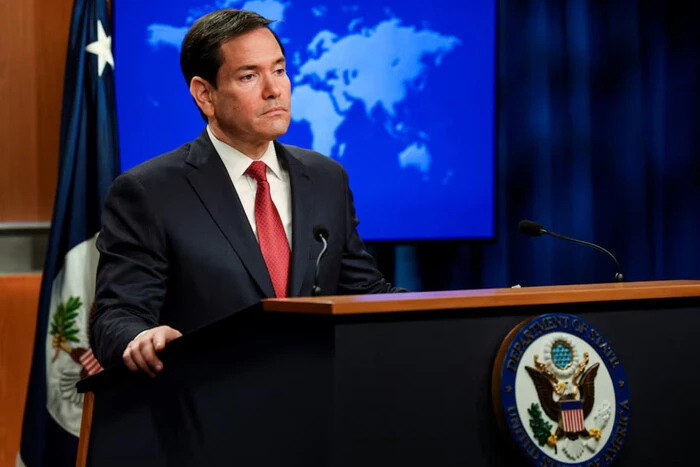
The United States recently announced a significant decision to withdraw from 66 international structures, a move that has sparked discussions about its implications for global governance. This action stems from a desire to protect national interests and reduce financial burdens linked to what many officials characterize as ineffective bureaucracy. US Secretary of State Marco Rubio emphasized the necessity for such a decision, citing the duplicative functions of many institutions and their failures to produce tangible results. Following this, President Donald Trump signed a memorandum to terminate both membership and funding for various international organizations.
Structures from Which the USA is Ceasing Participation
In this sweeping exit, the United States is cutting ties with multiple international bodies. Among the 31 organizations within the United Nations (UN) from which it is withdrawing are:
-
Department of Economic and Social Affairs: This segment of the UN focuses on global economic issues and sustainable development. The U.S. exit may hinder collaborative efforts to address these pressing concerns.
-
Peacekeeping Fund: By stepping away from this fund, the U.S. may impact global peacekeeping missions, which rely heavily on financial contributions from member states.
-
UNESCO: The U.S. has historically been a prominent player in educational, scientific, and cultural initiatives under UNESCO. Its withdrawal could significantly alter the dynamics of global educational projects.
Additionally, the U.S. is ceasing participation in 35 organizations outside the UN, including:
-
Venice Commission: This body advises on constitutional law and democratic governance, making the U.S. departure a notable loss in promoting democratic practices globally.
-
European Centre for Countering Hybrid Threats: In an era of increasing cybersecurity threats, U.S. absence from this organization may weaken collective defense measures.
-
International Renewable Energy Agency (IRENA): As climate change poses a global threat, the U.S. exit from IRENA might slow down international efforts towards renewable energy transitions.
Impact on Global Political Architecture
The U.S. exit from these international structures may have profound implications for the global political landscape. As one of the key players in international relations, the decision to reduce participation in such organizations could weaken international cooperation across various sectors—including security, development, and environmental sustainability. The complexities of global issues often require collaborative efforts, and U.S. absence could lead to fragmented approaches.
U.S. Involvement in Iranian Protests
Simultaneously, the U.S. administration’s focus appears to be shifting towards Iran, particularly in light of anti-government protests within the country. Iranian authorities have accused Israel and foreign terrorist groups of instigating unrest, underscoring the volatile nature of the situation. In contrast, President Trump has expressed solidarity with the Iranian populace, stating that they are “closer to freedom than ever.”
Marco Rubio echoed this sentiment, reaffirming U.S. support for the “brave people of Iran.” This stance not only reflects a commitment to promoting democracy but also highlights a strategic interest in regional stability. However, such positions may further strain relations between Washington and Tehran, especially against the backdrop of the ongoing protests.
Significance of U.S. Foreign Policy Changes
The recent withdrawal from international structures reflects broader shifts in U.S. foreign policy, emphasizing nationalism and prioritizing domestic agendas over global responsibilities. While the intent is to reduce costs and curb ineffective bureaucracy, the potential fallout includes weakened ties with allied nations and diminished influence in shaping global agendas.
This multifaceted approach towards both withdrawal from international structures and a focus on Iran reveals a complex strategy aimed at redefining the United States’ role on the world stage. The ultimate outcomes of these decisions remain to be seen, but they signal a critical juncture in U.S. diplomatic and foreign relations strategies that could reverberate across the globe for years to come.