


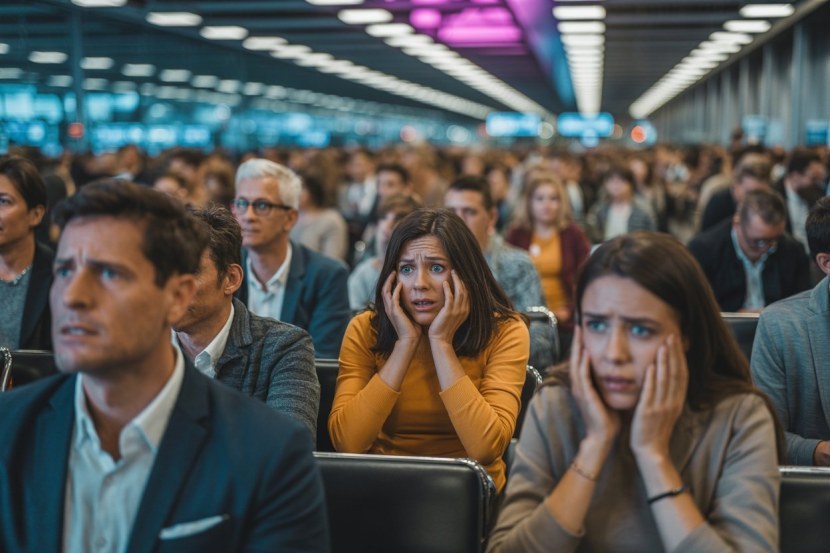
Flight Disruptions in the USA: A Comprehensive Look at Recent Cancellations and Delays
Published on December 29, 2025
Overview of Flight Disruptions
Today, the travel industry is grappling with significant disruptions across the United States. Thousands of passengers found themselves in a tough spot as major airlines, including Delta, American, JetBlue, and Spirit, collectively canceled 470 flights and delayed a staggering 4,946. Key hubs like Atlanta, Chicago, and New York City faced the brunt of these interruptions, affecting leisure and business travel alike.
Severity of Disruption
The scope of flight cancellations and delays has highlighted ongoing challenges within the aviation sector. Although the day witnessed a total of 4,946 delays, the cancellations concentrated at various airports indicate systemic issues rather than random occurrences. This trend points to potential operational strains at major airlines operating within congested airspace.
Major Disrupted Airports
Let’s break down how each of the top airports fared amidst the chaos.
Chicago O’Hare International Airport (ORD)
Chicago O’Hare, one of the nation’s busiest airports, recorded 623 delays and 65 cancellations. The overwhelming chaos can be attributed to a mix of regional carriers and mainline operations by American and United Airlines. This airport serves as a critical hub, meaning any disruption here can ripple across the entire nation.
Hartsfield-Jackson Atlanta International Airport (ATL)
As the world’s busiest airport, ATL didn’t escape the turmoil either. It experienced 316 delays and topped the list with 130 cancellations. Delta Air Lines, which has a significant operational presence in Atlanta, was the main contributor to these disruptions. The airport’s geographical importance makes it a vital artery for air travel in the U.S.
Dallas/Fort Worth International Airport (DFW)
DFW faced 295 delays and 22 cancellations. American Airlines, headquartered here, was responsible for a majority of the delays, showcasing the operational challenges that stem from managing hub networks during peak travel times.
John F. Kennedy International Airport (JFK)
New York’s JFK airport saw 247 delays and 20 cancellations. JetBlue had a pronounced impact, signaling that the airline’s core operations at JFK are under strain. Given JFK’s role in transatlantic travel, such disruptions can affect international travelers as well.
Los Angeles International Airport (LAX)
LAX recorded 227 delays and 20 cancellations. The spread of delays here highlights the operational challenges faced by airlines like Southwest and American, with passenger travel to popular destinations heavily affected.
Airlines in the Hot Seat
The ripple effect of delays and cancellations reached several major airlines today. Let’s delve deeper into the key players.
Delta Air Lines
Delta faced substantial cancellations and delays across nearly all its major hubs. The most significant impacts were felt at ATL, MSP, DTW, and LGA, illustrating how systemic issues affect their entire network.
American Airlines
Similarly, American Airlines dealt with a heavy volume of delays primarily at DFW, MIA, LAX, and JFK. Despite these challenges, their cancellation count remained comparatively lower, hinting at a strategy to keep operations alive amidst the pressure.
JetBlue
JetBlue’s operational stress was palpable, particularly at JFK, BOS, FLL, and MCO. Their performance highlights the impact of saturated travel demand affecting flight schedules.
Spirit Airlines
Known for catering to budget-conscious travelers, Spirit’s impact was significant at leisure-focused airports, notably FLL and MCO. Passengers faced long delays as the airline struggled with timing issues.
Southwest Airlines
While Southwest mainly faced delays instead of outright cancellations, the distribution of these disruptions across MCO, FLL, MIA, LAX, and ORD still contributed to a challenging travel environment.
Impacts on Travelers
Passengers navigating through these disruptions faced a slew of challenges:
-
Longer Gate Holds and Taxi-Out Times: Travelers experienced extended wait times both on the ground and in the air, which can be frustrating, especially during peak travel seasons.
-
Missed Connections: The cascading nature of delays meant that passengers were at a higher risk of missing their connecting flights.
-
Rebooking Pressures: The rush of travelers rebooking on alternate flights created high demand and strained capacity at already busy terminals.
-
Disproportionate Effects on Domestic Flights: Most delays targeted short-haul and domestic routes, reflecting a complicated network of flights that needed to be managed effectively.
-
Real-time Monitoring: Travelers were advised to stay vigilant, keeping a close eye on airline apps and airport boards for the latest updates to avoid further inconvenience.
Overview of Cancellations
In total, the U.S. saw 470 cancellations attributed mainly to a handful of carriers, including Delta, American, JetBlue, and Spirit. Airports like Atlanta, Chicago O’Hare, and New York JFK re-emerged as hotspots for disruptions, which emphasizes ongoing infrastructural challenges within the aviation network.
Through all these issues, travelers are reminded of the unpredictability of air travel and the importance of flexibility in their plans. Travelers in the U.S. today continued to navigate a complex landscape marked by overcrowded planes and busy airports, revealing deeper trends and stresses within the airline industry.
This moment serves as a crucial reminder for everyone involved in air travel to stay updated, prepare for the unexpected, and lean into flexibility as we embrace the future of travel.
Image Source: AI
Source: Various airports and FlightAware