


Controversy Surrounds Trump’s Ballroom Construction Project
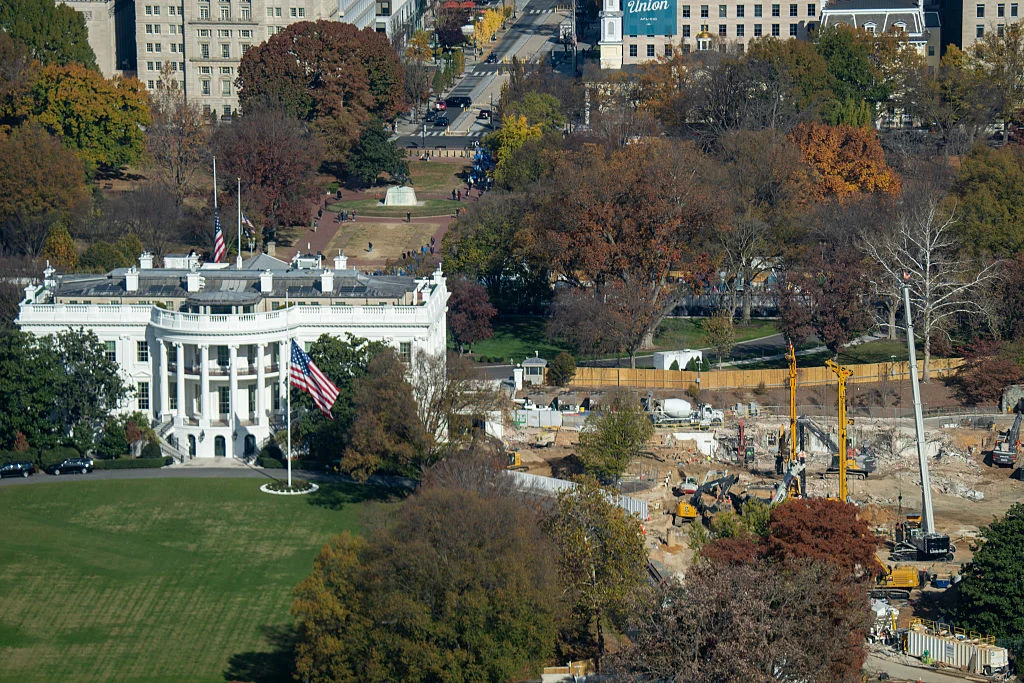
In a recent development in Washington, the Trump administration has filed a response to a lawsuit aimed at halting the construction of a new ballroom in the White House. This project, which is estimated to cost around $300 million, has become a focal point of contention amidst claims related to national security and historical preservation.
Legal Action from Preservationists
The lawsuit, initiated by the National Trust for Historic Preservation, seeks to pause the ballroom construction until it undergoes independent reviews and types of public commentary that the organization argues are required by law. The Trust insists that all major alterations to the White House, including this ambitious ballroom project, should engage oversight from the National Capital Planning Commission and the Commission of Fine Arts, in addition to securing congressional approval.
“We must not allow any president to alter the White House without thorough scrutiny,” the lawsuit declares. It emphasizes that no president has the authority to dismantle parts of the White House without a legal review. The response from the Trump administration to these claims serves as a crucial battleground for arguments surrounding presidential power and historic preservation.
Administration’s Defense
The administration’s 36-page legal filing highlights national security concerns as a primary reason for the continued construction. Notably, the declaration from Matthew C. Quinn, a deputy director with the U.S. Secret Service, underlines that halting work could jeopardize the agency’s obligations to safeguard the president and other dignitaries. Quinn argued that even a temporary pause would significantly hamper the Secret Service’s operations, though the specifics of these national security concerns remain undisclosed.
Interestingly, the administration has offered to share classified information regarding these security issues with the presiding judge, but without involving the plaintiffs. This secrecy raises eyebrows, suggesting that the extent of the government’s concerns may not be fully transparent to the public or the legal challengers.
Timeline and Project Details
Amidst ongoing construction efforts, it is noted that the final plans for the ballroom remain unfinalized. Initial groundwork is reportedly underway, with construction on the foundations expected to commence as early as January. Interestingly, John Stanwich from the National Park Service remarked that above-ground construction may not even begin until April 2026, indicating that the project timeline is still in flux.
The complexity and rapid approval of this ballroom project reveal the intricate bureaucratic processes of the Trump administration. Critics argue that the project rushed through the approval stages without due consideration and transparency, especially given its significant scope, which includes plans for a 90,000-square-foot event space.
Historical Context and Community Reactions
Historically, the need for a larger event space at the White House has been recognized, particularly due to spikes in visitor numbers and the demand for a venue suitable for grand events. In fact, a Comprehensive Design Plan from the National Park Service in 2000 first identified this need, highlighting the ongoing challenges faced regarding event planning for dignitaries and other officials.
However, the discourse surrounding the current project is more contentious than ever. Preservationists and many in the architectural community condemn the decisions being made, fearing that such modifications to this historic building may set a precedent for future administrations. They worry about the implications of expanding or altering the White House without rigorous regulatory processes.
Federal and Judicial Implications
As the case moves forward, a hearing is scheduled shortly in a federal court in Washington, providing an opportunity for legal arguments from both sides to be examined more closely. The administration contends that claims regarding the East Wing’s demolition are “moot,” as it is irreversible. Conversely, the plaintiff’s assertions about the importance of regulatory compliance highlight the intricate dance between executive power and historic preservation.
This situation encapsulates not only the challenges of addressing contemporary needs in a historic structure but also the broader political and legal ramifications of prioritizing presidential authority over community and historical interests. As legal challenges continue, the fate of the White House ballroom remains uncertain, illustrating the ongoing struggle between modern ambitions and the preservation of national heritage.