


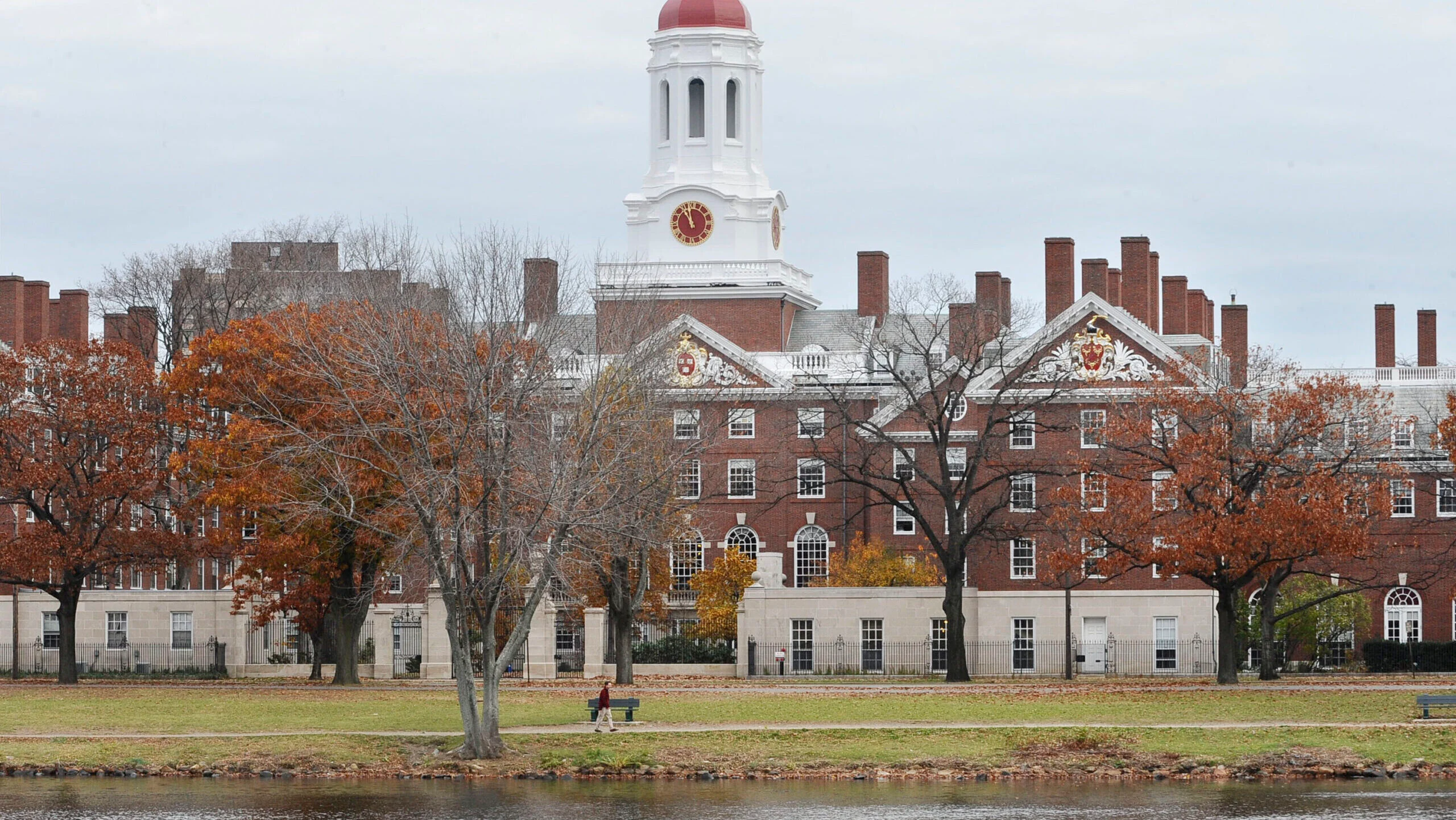
The Trump Administration’s Legal Battle with Harvard University
The ongoing clash between the Trump administration and Harvard University has intensified as the White House prepares to appeal a federal judge’s ruling that reversed significant funding cuts to the prestigious institution. This legal confrontation is not merely about dollars and cents but is deeply rooted in broader issues of academic freedom, governmental oversight, and the direction of higher education in America.
Background of the Case
In September, U.S. District Judge Allison Burroughs delivered a pivotal ruling stating that the Trump administration’s funding cuts infringed upon Harvard’s First Amendment rights. The cuts, exceeding $2.6 billion, were imposed under the allegation that Harvard was inadequately addressing anti-Jewish bias on campus. However, Judge Burroughs critiqued this rationale, asserting that the administration was using the pretext of antisemitism to launch a targeted campaign against elite institutions of higher learning. This sentiment underscores a significant friction in the relationship between the federal government and America’s oldest university.
Appeal Process and Legal Ramifications
Following the ruling, the Justice Department filed a notice of appeal late Thursday, marking the initial step in contesting the decision. The notice does not delve into the legal arguments that will be presented but signals the administration’s firm commitment to overturning the verdict. This legal move is significant, as it raises questions about the extent of governmental power in influencing university policies and practices, particularly in the face of accusations that the institutions are cultivating ideologies deemed unfavorable by the administration.
Harvard’s Stance
In response to the notice of appeal, Harvard University expressed confidence in its legal standing. Representatives emphasized that the federal court’s previous ruling reinstated critical funding aimed at advancing various sectors, including science, medicine, and national security. The university sees its fight as not just about funding but as a defense of academic integrity and freedom, framing the administration’s actions as an infringement on the essential principles that govern educational institutions.
Reactions from Academia
The American Association of University Professors (AAUP), an organization that advocates for academic freedom, expressed dismay at the administration’s ongoing efforts. Todd Wolfson, president of the AAUP, characterized the appeal as a continuation of a “shameless campaign” to stifle academic discourse and research that doesn’t align with the administration’s perspectives. This commentary highlights a growing unease within the academic community regarding the potential chilling effects of federal funding conditions on scholarly independent thought.
The Broader Implications
Harvard is not the only elite institution facing scrutiny from the Trump administration; many colleges and universities across the nation are navigating pressures related to federal funding and ideological compliance. Some institutions, such as Columbia, Brown, and Cornell, have opted to negotiate agreements with the government, perhaps indicating varying strategies in dealing with the shifting political landscape. In contrast, Harvard has stood firm, resisting pressures to conform to the administration’s demands, which are largely viewed as an attempt to control educational narratives.
Negotiations and Future Prospects
Despite the ongoing legal wrangling, informal negotiations between Harvard and the White House have taken place. President Trump has hinted at potential resolutions, including an intriguing proposal that would require Harvard to allocate $500 million towards creating a “giant trade school” aimed at supplying skilled workers for American industries. However, since the September discussions, little progress has been reported, and Trump’s public commentary on the issue has subsided.
Conclusion
The situation between the Trump administration and Harvard University encapsulates the complex interplay between government authority and academic freedom. As this case progresses through the legal system, it will undoubtedly have far-reaching implications for higher education in the United States, influencing not only funding structures but also the ideological landscapes of colleges and universities nationwide. This clash serves as a prominent example of the challenging dynamic that exists when political agendas intersect with educational institutions.