


The Dynamics of Davos: A Clash of Global Interests
By Faisal Islam, Economics Editor, Davos, Switzerland
The picturesque setting of Davos, where the Swiss Alps provide a striking backdrop, may seem a world away from the icy expanses of Greenland, yet these two locations have recently intertwined in the global discourse. The annual World Economic Forum (WEF) serves as a melting pot for international leaders and businesses to discuss pressing global issues, and this year, the emphasis is notably on territorial claims and national ambitions, particularly regarding Greenland.
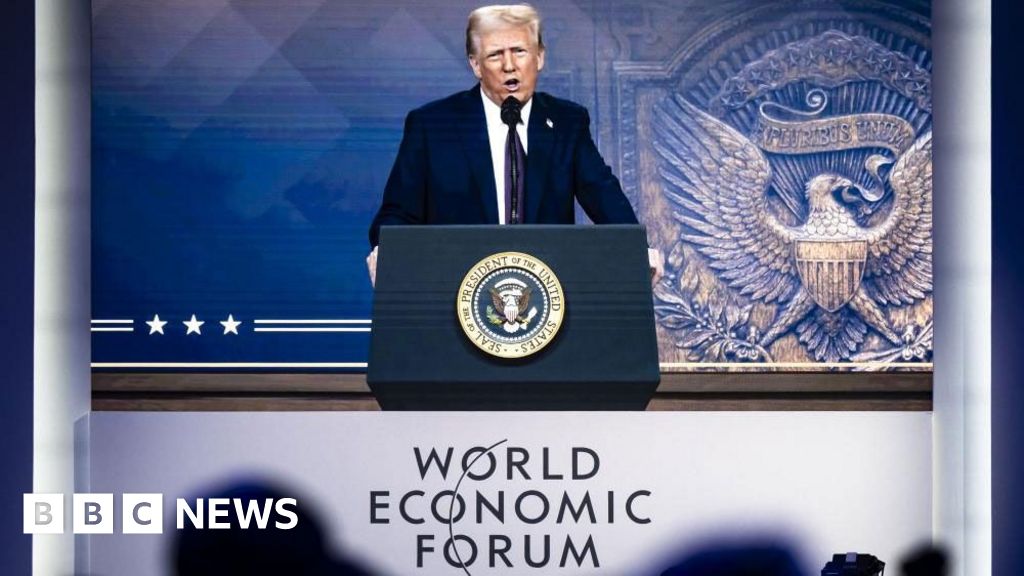
The Shadow of Trump at Davos
Former President Donald Trump’s previous declarations about Greenland have thrown a spotlight on his unique relationship with Davos. Despite the often critical stance of his base towards globalism, Trump finds Davos a captivating arena. Last year, he virtually linked with the forum from the White House, presenting an unmistakably outsized ambition for both Canada and Greenland. His insistence on reshaping trade relationships, framed as ‘America First’, raised eyebrows among international attendees.
This year’s presence is set to amplify his disruptive approach to global economics. With the promise of addressing trade-related issues directly, his appearance may be perceived as part of a broader narrative he wishes to propagate, something resentment-laden amidst an audience that often seeks collaborative solutions.
The Tension of Global Cooperation
The undercurrent of tension is palpable at the WEF. The theme of “a spirit of dialogue” runs counter to the unilateral actions and declarations emanating from the Trump administration. Many critical voices are concerned that the style of governance presented by the U.S. is at odds with the collaborative essence of the WEF, which emphasizes global cooperation over competition and conflict.
Within the conference halls, the juxtaposition of Trump’s unconventional style against the forum’s foundational ethos highlights an intriguing dichotomy. Many delegates are left at a crossroads, grappling with how to forge meaningful dialogues amidst the disruptions introduced by the current U.S. administration.
The Shift Towards Hard-Nosed Business Issues
This year, Davos has supposedly shifted focus from its traditional “green” agendas towards more hard-edged business discussions, allegedly at the insistence of the White House. The relationship between the event and its criticism in various political arenas—like claims that the “Davos agenda is dead on arrival”—demonstrates a growing backlash against elite gatherings perceived as out of touch with broader public sentiment.
Meeting in a church repurposed as “USA House,” American companies are stepping up to highlight the nation’s achievements. This strange juxtaposition of joyous celebration for the World Cup and serious discussions on business competitiveness embodies the event’s complexities, wrapping in layers of culture, commerce, and national pride.
Global Leadership and the New Order
Among the esteemed guests will be several G7 leaders, including Ukrainian President Volodymyr Zelensky, adding a layer of significance to the gathering. Their presence, alongside influential CEOs, underscores the event’s ongoing relevance in shaping global dynamics. Here, it may be reasonable to speculate on diplomatic deliberations akin to historic summits, as world leaders navigate contentious issues from Ukraine to the frozen expanse of Greenland.
Multilateralism vs. Nationalism
The contrast in approach is stark: Canadian figures like Prime Minister Mark Carney have managed to foster trade relationships outside the tumultuous U.S. landscape, advocating for a vision of North America that is harmonious with European sentiments. As the self-proclaimed disruptor of the global order, Trump’s provisos rake against the collective aspirations for multilateral cooperation, suggesting a world increasingly fragmented by national interests.
The Rising Influence of China
Among the attendees, the presence of Chinese leaders signals a pronounced shift in economic power structures. China now positions itself as a beacon of stability and responsibility in an uncertain global landscape. With notions of cooperation set against the backdrop of rising tensions, Chinese delegates will aim to project their narrative of a new world order, highlighting their significant economic innovations.
Lessons from Past Davoses
Davos has historically been a platform not merely for presenting ideas but for scouting future innovations. In previous years, breakthroughs in technology such as quantum computing or the latest trends in automotive technology, dominated discussions. Fast forward to today, and many are left wondering whether Western manufacturers can catch up to their Asian counterparts. The fear of being outpaced by technological advances is a sobering motif, presenting an opportunity for reflection among attendees.
The Irresistible Pull of Davos
Despite widespread critique, Davos remains a critical venue for global discourse where diverse voices converge. Its reputation as an indicator of future trends continues to draw the world’s attention. From poignant discussions in its grand halls to the more informal gatherings on the fringes, having a finger on the pulse of Davos may very well offer glimpses into tomorrow’s global landscape.
As the forum unfolds against this intricate tapestry of ambitions and tensions, the world watches closely—the stakes have never been higher, and the dynamics more complex.