


Trump’s Unexpected Conversation with Maduro: A Diplomatic Twist
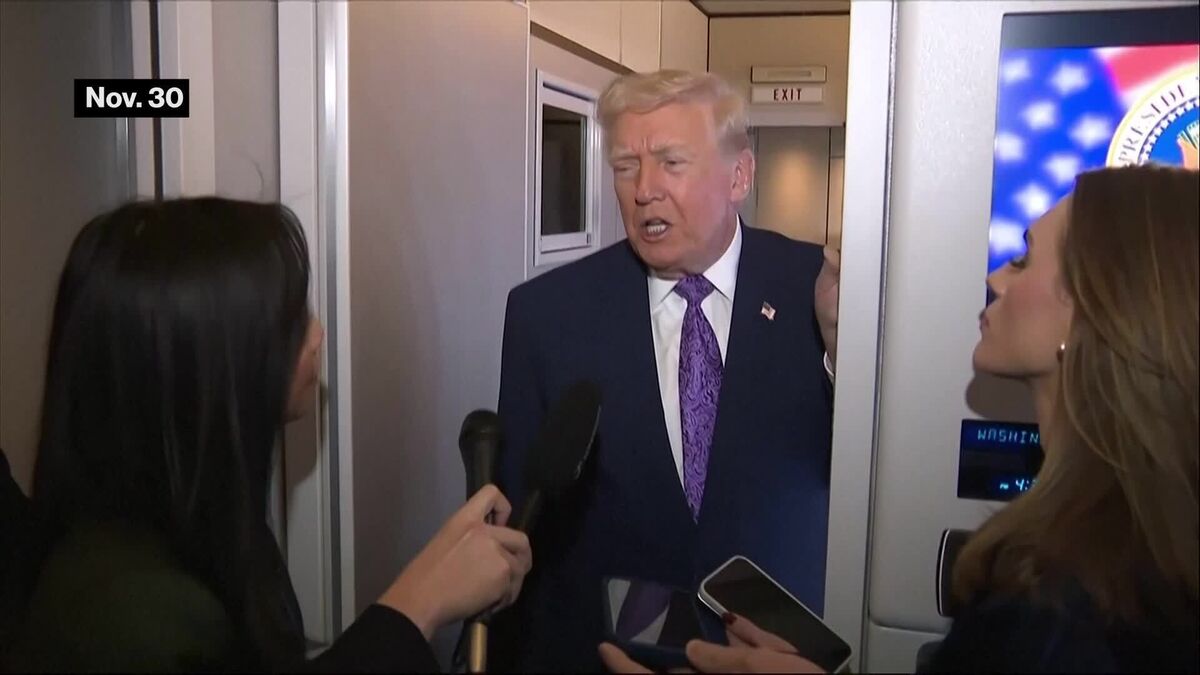
In an unexpected turn of events, President Donald Trump revealed that he had a telephone conversation with Venezuelan President Nicolás Maduro. This disclosure comes amid rising tensions between the United States and Venezuela, a country grappling with severe economic and political crises. Trump’s statement, made to reporters aboard Air Force One, raised eyebrows and sparked speculation about the implications of such a dialogue.
Context of U.S.-Venezuela Relations
The relationship between the United States and Venezuela has been fraught for years. With Venezuela facing a crippling economic downturn, shortages of food and medicine, and widespread political unrest, the U.S. has often criticized Maduro’s authoritarian regime. Previous administrations have applied sanctions and supported opposition leaders in their fight for democracy in Venezuela. In this turbulent backdrop, news of a conversation between Trump and Maduro becomes significant, hinting at possible shifts in diplomatic strategy.
Trump’s Comments on Military Action
Notably, in recent days, President Trump has hinted at potential military operations in Venezuela. However, he has refrained from specifying the nature of these operations or even the timeline for such actions. This ambiguity adds layers of complexity to the already tense situation. Observers are left to wonder whether Trump’s comments are merely strategic posturing or indicative of a serious military consideration.
Speculation Surrounding the Call
The lack of details regarding the phone call itself has fueled speculation. What could have been discussed in that brief interaction between two leaders with fundamentally opposing views? Some analysts propose that it might have revolved around humanitarian aid, given the dire conditions in Venezuela. Others suggest that the conversation might have aimed to de-escalate tensions, at least temporarily.
The Political Ramifications
Trump’s acknowledgment of the call could have significant political ramifications both domestically and internationally. Domestically, it raises questions about the Trump administration’s approach to foreign policy and its willingness to engage with leaders it has previously condemned. On an international scale, it may signal to other nations a potential shift in how the U.S. engages with countries it deems problematic.
The Role of International Community
The international community is closely watching these developments. Countries in Latin America, many of which have supported the opposition in Venezuela, may interpret the Trump-Maduro dialogue as a sign of shifting alliances or strategies in U.S. foreign policy. Additionally, how allies perceive this interaction could influence their own diplomatic stands on Venezuela, potentially complicating multilateral efforts.
Public and Media Response
Reactions to Trump’s conversation with Maduro have been mixed. Supporters may view it as a pragmatic move towards dialogue, possibly opening avenues for negotiation. Critics, however, worry it could signal a retreat from previously asserted U.S. commitments to support democracy in Venezuela. Media coverage has been extensive, with many outlets analyzing the potential consequences of a U.S. president engaging directly with a leader considered by many to be a dictator.
Conclusion of Current Developments
As details about this phone call remain scarce, the implications of Trump’s engagement with Maduro are still unfolding. The evolving situation continues to warrant close scrutiny, reflecting not only on U.S.-Venezuela relations but also on broader themes of diplomacy, engagement, and foreign policy strategy. The world is left to ponder the next steps in this dialogue and what it means for both nations and the region at large.